Many people think of cardboard and other cartons and containers whenever there is a discussion about packaging. But the matter of fact is that the concept of packaging is as old as mankind because it is a general requirement of humans to transport items of their needs wherever they go. This requirement prompted early humans to use crude packaging materials and designs.
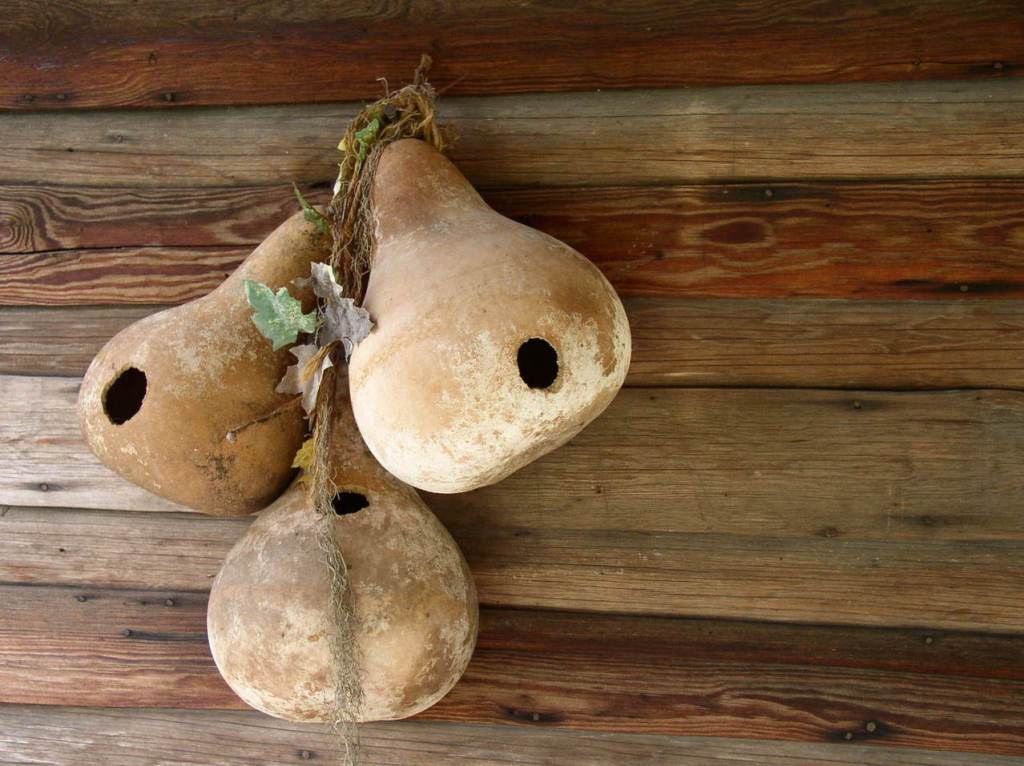
In this article, we are going to talk about the packaging industry progressing from its early days towards its modernization.
Early packaging
There is no specific record available about the invention and use of very first packaging item. But according to what most of the historians agree on, the first packaging material was invented and put to use when humans were nomadic hunters and gatherers. Their general lifestyle involved consistent movement and relocation; and so they needed the devices to carry their items.
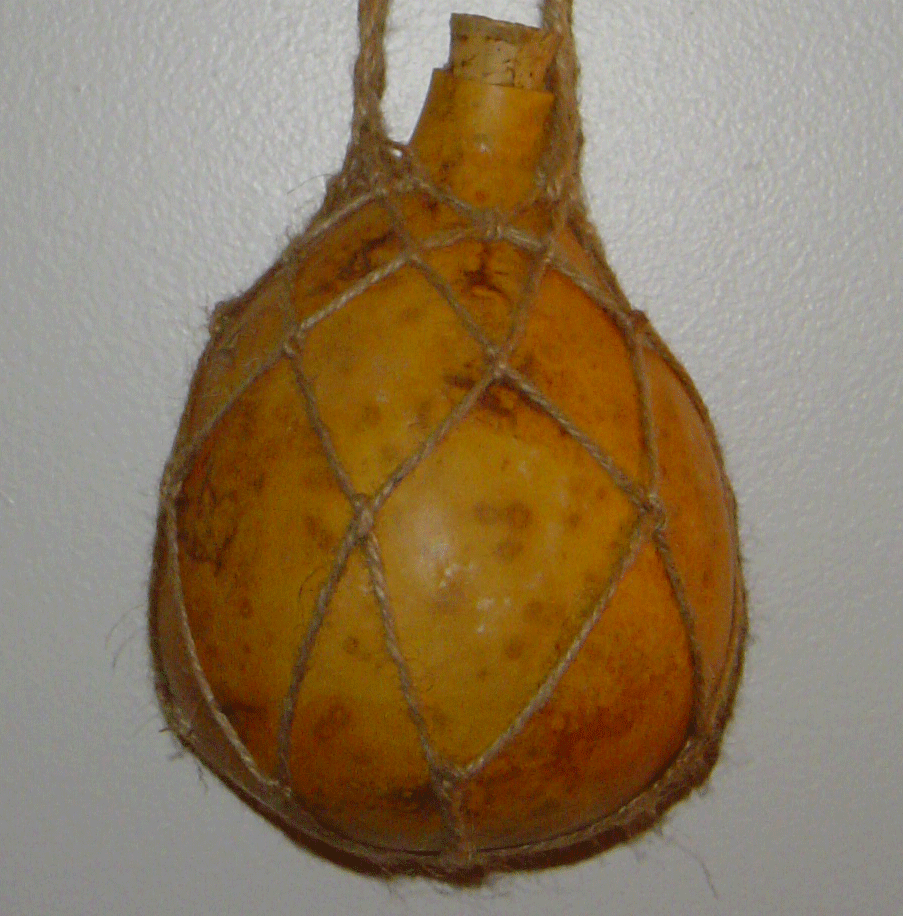
A few possible materials that early humans might have used for packaging are worth mentioning here.
- It’s a speculation that large leaves might have been used in the development of one of the very first packaging solutions.
- There is well-documented information available about the use of nuts and gourds by early civilizations for the packaging and transportation of a variety of materials.
- Based on countless accounts, it becomes pretty evident that use of animal hides had been a popular way of storing and transporting a wide range of goods.
- Some of the accounts suggest that hollowed out wood had been one of the ways to store many different goods.
Domesticated Village Packaging Advancements
Advancements in colonization led to the development of villages which were larger communities. This improved lifestyle helped people to work in collaboration in order to bring further advancements. Evolution in packaging was one of such advancements. Different varieties of materials were produced for the packaging of different types of items.
- Plant-based woven sacks and baskets got into the mainstream use for the storage and transportation of different types of items.
- The concept of wooden crates arose in that era.
- Animal skin started being used for the construction of containers of different types.
- Clay containers were used for the storage of dry items.
The establishment of cities
Establishment of bigger communities resulted in the development of cities which were characterized with innovation in the infrastructure as well as manufacturing. With availability of supplies to different regions, the packaging procedures became conventionally commercialized because it was the only way for the safe storage and transportation of goods between regions.
One of the items used for packaging in this regard is the blown glass. Craftsmen used to mold glass to form containers of different shapes. It was a heavier packaging solution but it got popular due to its plenty benefits.
Wooden barrels were also being used in the same time period. According to what many historians believe, wooden barrels were derived from ship making. To bring those wooden pieces into the shape of barrels, craftsmen would use steam for the molding of wood. It was a slow process but the barrels became available in larger amounts once the manufacturing became commercialized.
With the fall of Rome, innovations and inventions became stagnant in Europe. However, contribution in the packaging innovation kept coming in from other regions of the world. China started using paper for the development of packaging materials. This use of paper can be regarded as the foundation of modern packaging.
Modern packaging
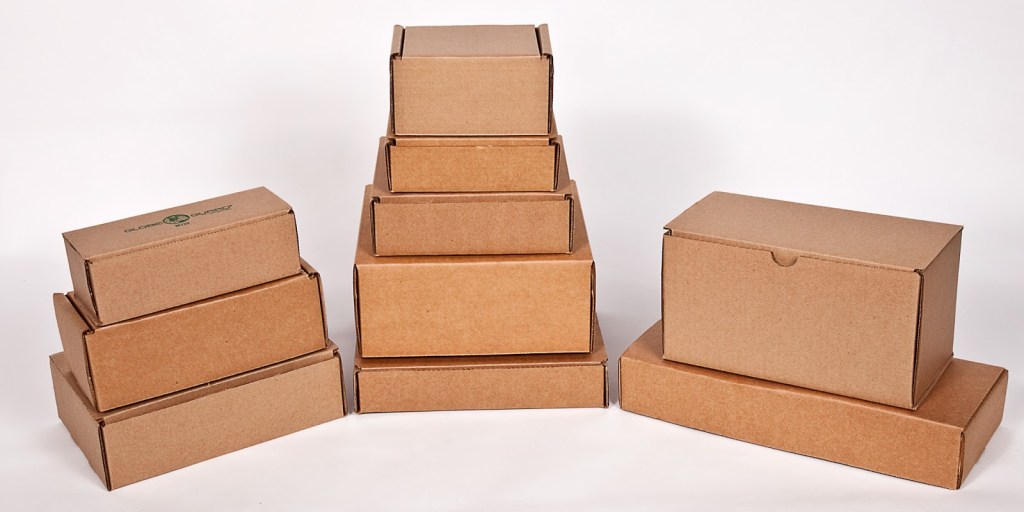
Modern packaging came into existence as a result of industrial revolution. The reason we call it industrial revolution is that the work of human hand was reduced, and machines were handed over those repetitive tasks. The consistent development and use of innovative procedures has led us to use different types of packaging materials. It include food packaging storage and transportation bags, bins and variety of packaging solution including primary packaging materials, and in-store packaging options.
 Proper Nestification