You pack an item, close the flaps, and send it out. It looks clean and neat. Then you hear it arrived with dents or damage. That is when you realize something simple made a big difference. The shipping box you chose can either protect your item or put it at risk.
Many people do not think much about the box itself. They focus on tape or filler, but the box is what holds everything together. If the box is weak or not the right type, the rest of your effort may not matter.
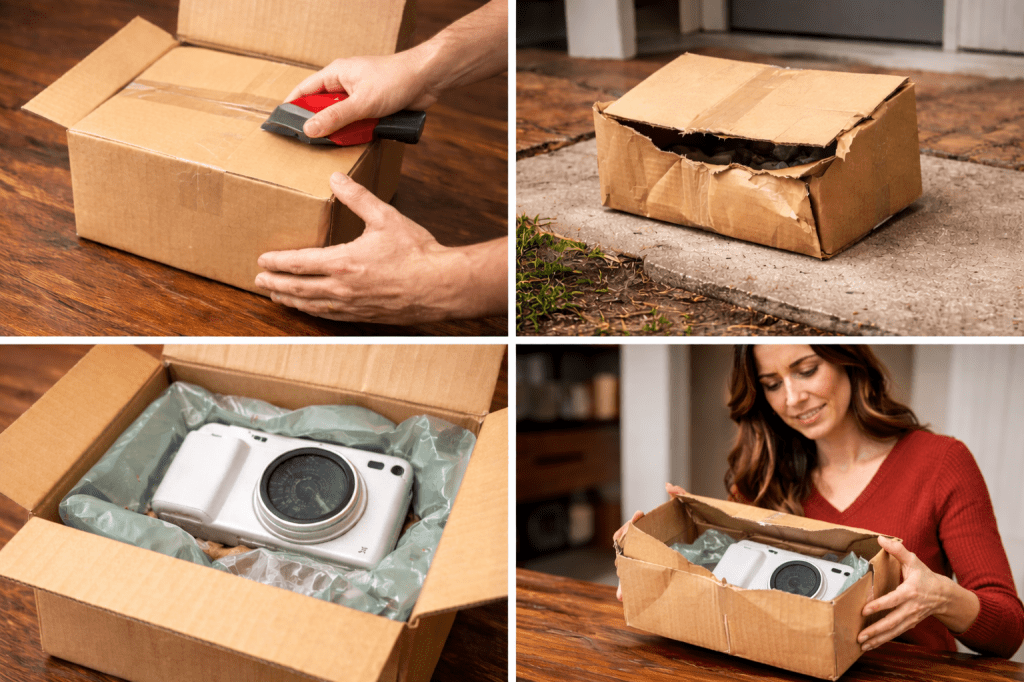
Think about a long trip. Your package moves through many hands and machines. It may slide down a belt, get stacked with other boxes, and sit under weight for hours. During all of this, the box is what takes the pressure first.
There are different kinds of shipping boxes, and each one is made for a purpose. Some are light and good for small items. Others are thick and strong for heavier loads. If you match the box to the item, you give it a better chance to arrive safely.
A strong box feels firm when you press on it. The sides do not bend easily, and the bottom feels solid. This helps the box keep its shape when weight is placed on top. When the shape holds, the item inside stays protected.
Now think about a thin box holding something heavy. At first, it may look fine. But once it is lifted and moved, the bottom can start to sag. The sides may bow out. That puts stress on the item inside, and that is when problems begin.
Size also plays a role. A box that fits well helps keep everything steady. When the item sits in the middle with room for padding, it is less likely to move. When the box is too large, the item can shift and bump around. When it is too small, there is no room to protect it.
Another thing people miss is how the box closes. The flaps should meet flat and even. If they do not line up well, the seal may not be strong. A good fit helps the tape hold better and keeps the box closed during the trip.
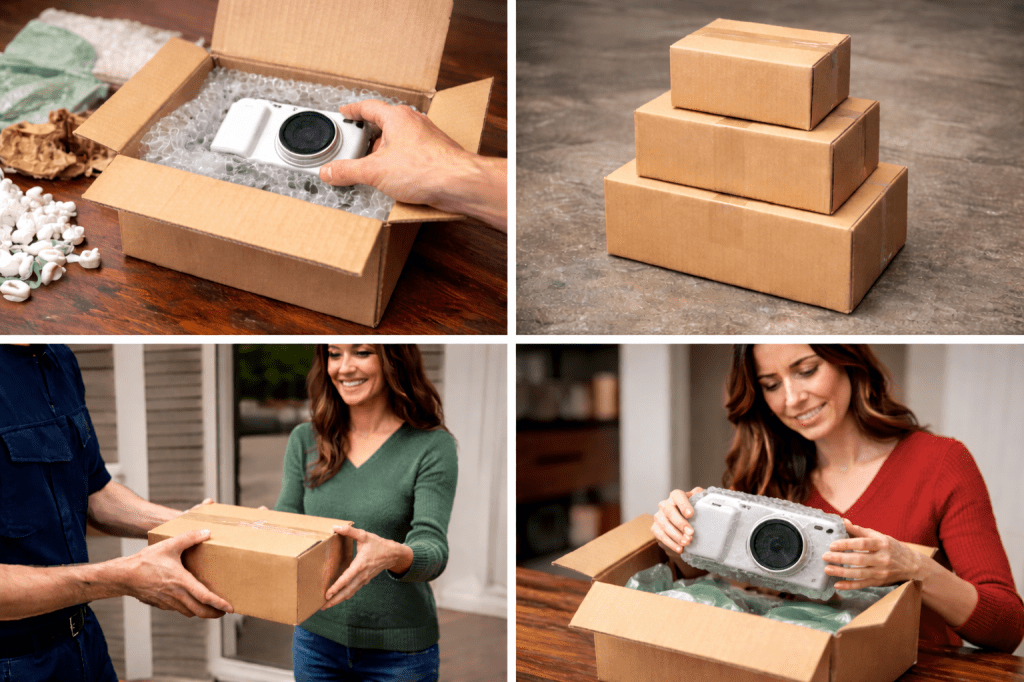
Before you pack, take a moment to think about the path your box will take. Will it be stacked high? Will it carry weight? Will it move a lot? When you picture this, it becomes easier to choose the right box.
There is also a simple test you can do. After packing, lift the box and hold it for a second. Does it feel solid, or does it feel like it might give under pressure? That quick check can tell you if the box is doing its job.
When you choose the right shipping box, you are not just picking a container. You are choosing how your item will be protected from start to finish. The box supports the padding, holds the shape, and takes the hits along the way.
At the end of the trip, the person opening the package does not think about the box. They only notice that everything inside looks right. That simple result starts with choosing a box that can handle the journey.
 Proper Nestification