Tag: moving

This box saved the shipment

You pack an item, close the flaps, and send it out. It looks clean and neat. Then you hear it arrived with dents or damage. That is when you realize something simple made a big difference. The shipping box you chose can either protect your item or put it at risk.

Many people do not think much about the box itself. They focus on tape or filler, but the box is what holds everything together. If the box is weak or not the right type, the rest of your effort may not matter.
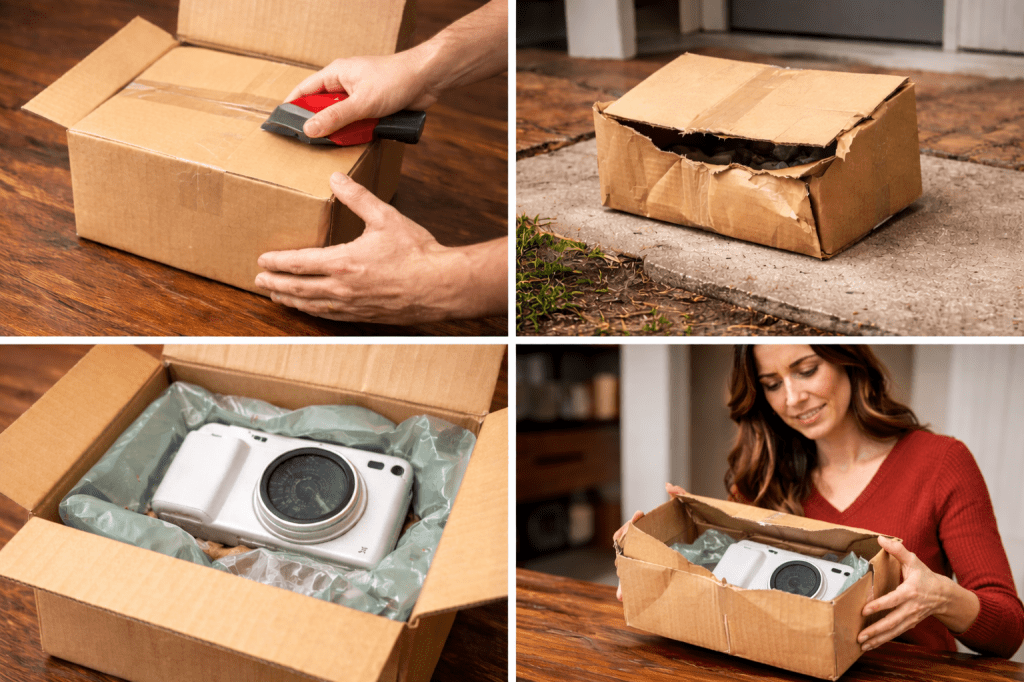
Think about a long trip. Your package moves through many hands and machines. It may slide down a belt, get stacked with other boxes, and sit under weight for hours. During all of this, the box is what takes the pressure first.

There are different kinds of shipping boxes, and each one is made for a purpose. Some are light and good for small items. Others are thick and strong for heavier loads. If you match the box to the item, you give it a better chance to arrive safely.

A strong box feels firm when you press on it. The sides do not bend easily, and the bottom feels solid. This helps the box keep its shape when weight is placed on top. When the shape holds, the item inside stays protected.

Now think about a thin box holding something heavy. At first, it may look fine. But once it is lifted and moved, the bottom can start to sag. The sides may bow out. That puts stress on the item inside, and that is when problems begin.

Size also plays a role. A box that fits well helps keep everything steady. When the item sits in the middle with room for padding, it is less likely to move. When the box is too large, the item can shift and bump around. When it is too small, there is no room to protect it.

Another thing people miss is how the box closes. The flaps should meet flat and even. If they do not line up well, the seal may not be strong. A good fit helps the tape hold better and keeps the box closed during the trip.
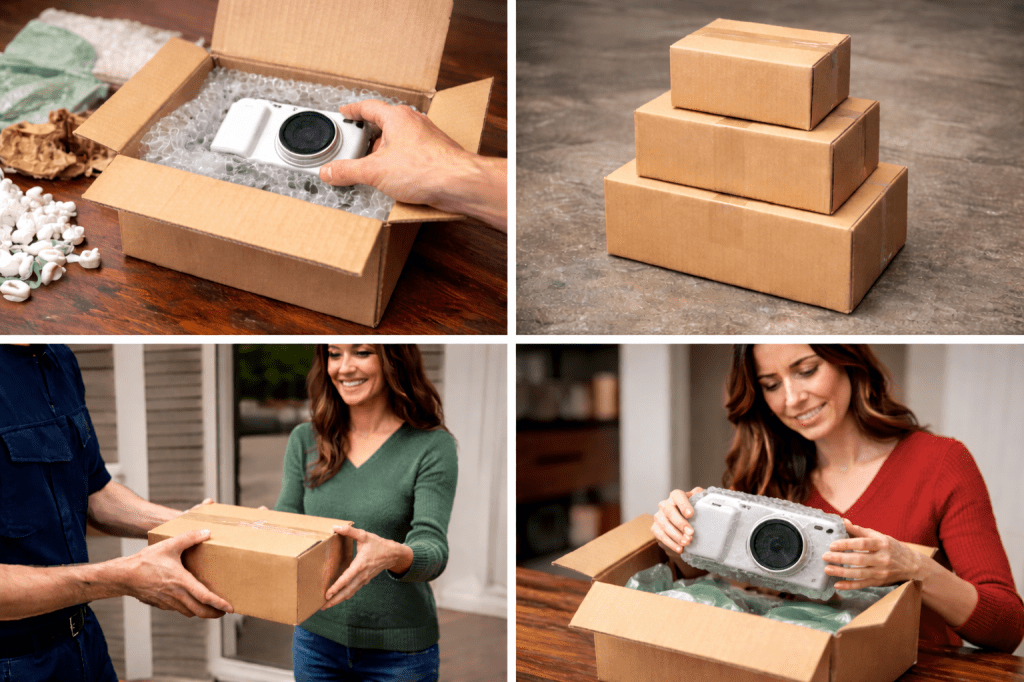
Before you pack, take a moment to think about the path your box will take. Will it be stacked high? Will it carry weight? Will it move a lot? When you picture this, it becomes easier to choose the right box.

There is also a simple test you can do. After packing, lift the box and hold it for a second. Does it feel solid, or does it feel like it might give under pressure? That quick check can tell you if the box is doing its job.

When you choose the right shipping box, you are not just picking a container. You are choosing how your item will be protected from start to finish. The box supports the padding, holds the shape, and takes the hits along the way.

At the end of the trip, the person opening the package does not think about the box. They only notice that everything inside looks right. That simple result starts with choosing a box that can handle the journey.
Pick the Right Box

Choosing a shipping box should be simple.

But it usually isn’t.

Most people stand there looking at a stack of boxes thinking they all do the same job. So they grab one that looks close enough and move on. Sometimes it works. Sometimes it doesn’t. And when it doesn’t, that is when damage, returns, and wasted time start to show up.

So how do you actually pick the right box? Start with the item itself. Not just the size, but the shape and weight. A long narrow item behaves differently than a flat one. A heavy item puts stress on the bottom in a way a light one never will. If you ignore that and treat every product the same, you are setting yourself up for problems.

A box that is too big feels safe at first. There is room, it is easy to pack, nothing feels forced. But that extra space turns into movement. Movement turns into impact. And impact turns into damage. You might not see it on the outside, but inside the item is taking small hits the entire trip.

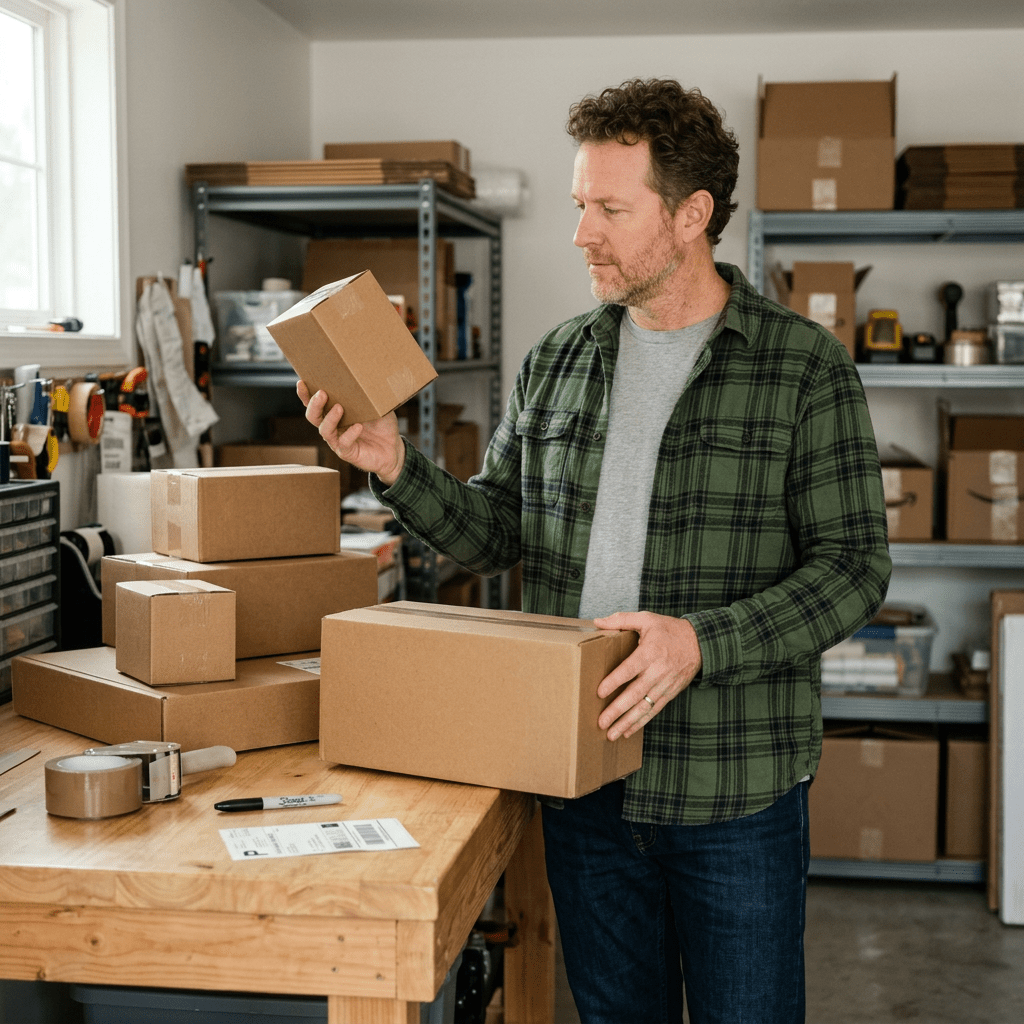
Man examining oversized and undersized packaging with labels explaining waste and damage scenarios
Man comparing oversized and undersized packaging effects in warehouse

Too small can be just as bad. If the item is squeezed in, there is no space for protection. No cushion, no barrier between the product and the outside world. Even a strong box cannot help much if everything inside is pressed tight against the walls.

So, the goal is simple, but it takes a little attention. You want a box that gives just enough room for protection without leaving extra space to move.

Now think about what happens after it leaves your hands. Boxes do not travel alone. They get stacked, shifted, and handled by machines and people moving fast. That means your box needs to hold up under pressure from all sides. If it is too light for the job, it may start to bend or bow. Once that happens, everything inside is at risk.

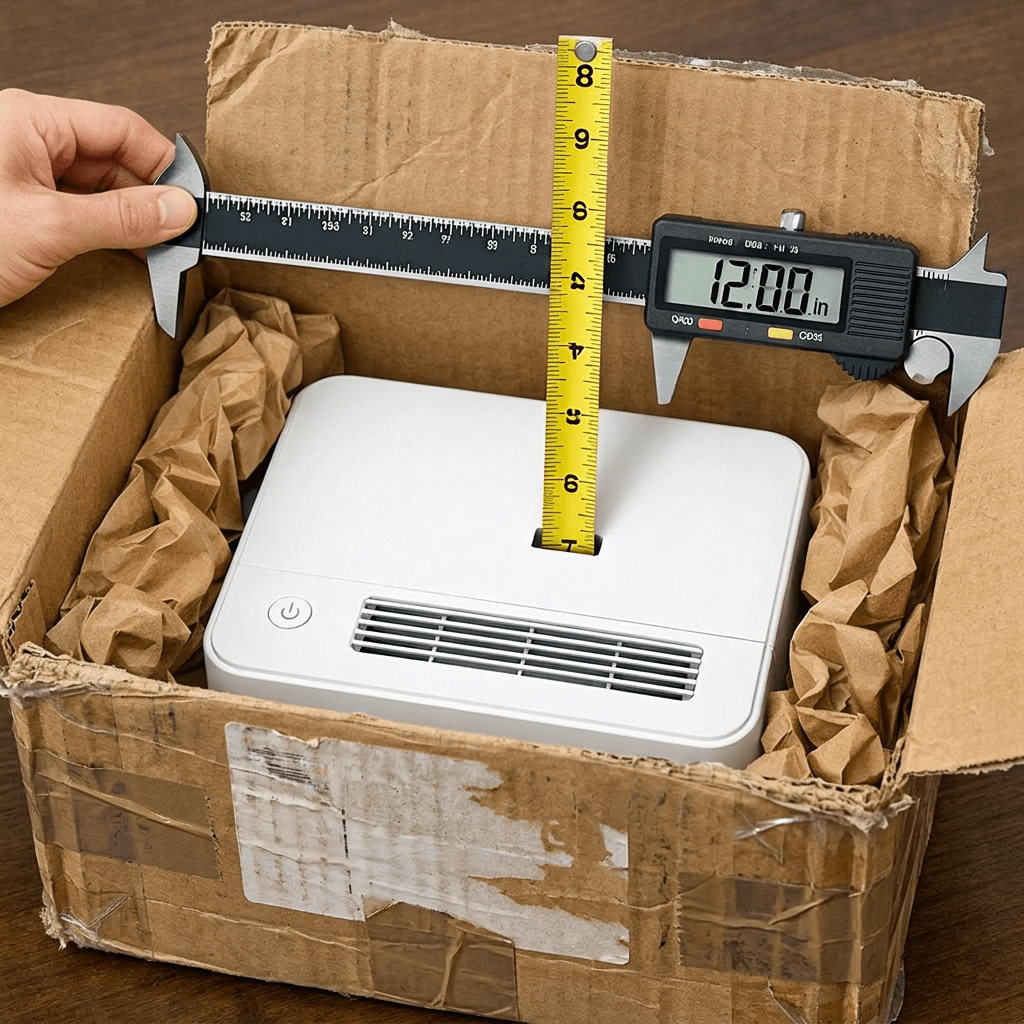
Digital caliper and tape measure measuring a white electronic device inside a cardboard box
Using calipers and a tape measure to check an item’s size inside a cardboard box

A common question is how to know if a box is strong enough. You can start by looking at the weight of your item and choosing a box designed to handle that load. Heavier items need stronger walls. Items with sharp edges may need extra padding so they do not press into the box itself. It is not about overbuilding. It is about matching strength to need.

There is also the issue of repeat use. Some people reuse boxes to save money. That can work, but only if the box is still in good shape. If it has soft spots, bent corners, or worn edges, it has already lost strength. Using it again adds risk. It may hold once, but fail the next time.

Another thing to consider is packing consistency. If different people are packing orders, each one may choose a different box for the same item. That leads to uneven results. Some packages arrive perfect, others do not. Creating a simple system for which box goes with which product can fix that. It removes guesswork and makes results more reliable.

And then there is the final check. Before sealing, take a quick look. Is the item centered? Is there enough support inside? Are the flaps closing cleanly? It takes a few seconds, but it can catch problems before they leave your hands.

Shipping boxes are not just containers sitting on a shelf. They are part of the process that protects your product all the way to the customer.

Pick the right one, and things tend to go smoothly. Pick the wrong one, and small issues start stacking up fast.