You have to document your damaged box as soon as possible. When an item arrives damaged from a shipment, buyers often will dispose of the packaging. In doing this, they may lose some evidence that the carriers (FedEx/UPS/USPS) would need to support the damage claim.
Before disposing of anything, tell the buyer to put the damaged item, the entire outer shipping container and every part of the packing materials in a safe place. In addition to saving the outer shipping container, encourage the buyer to retain all other packing materials such as tape, paper, foam inserts, air cushions, internal containers, labels and pieces of items.
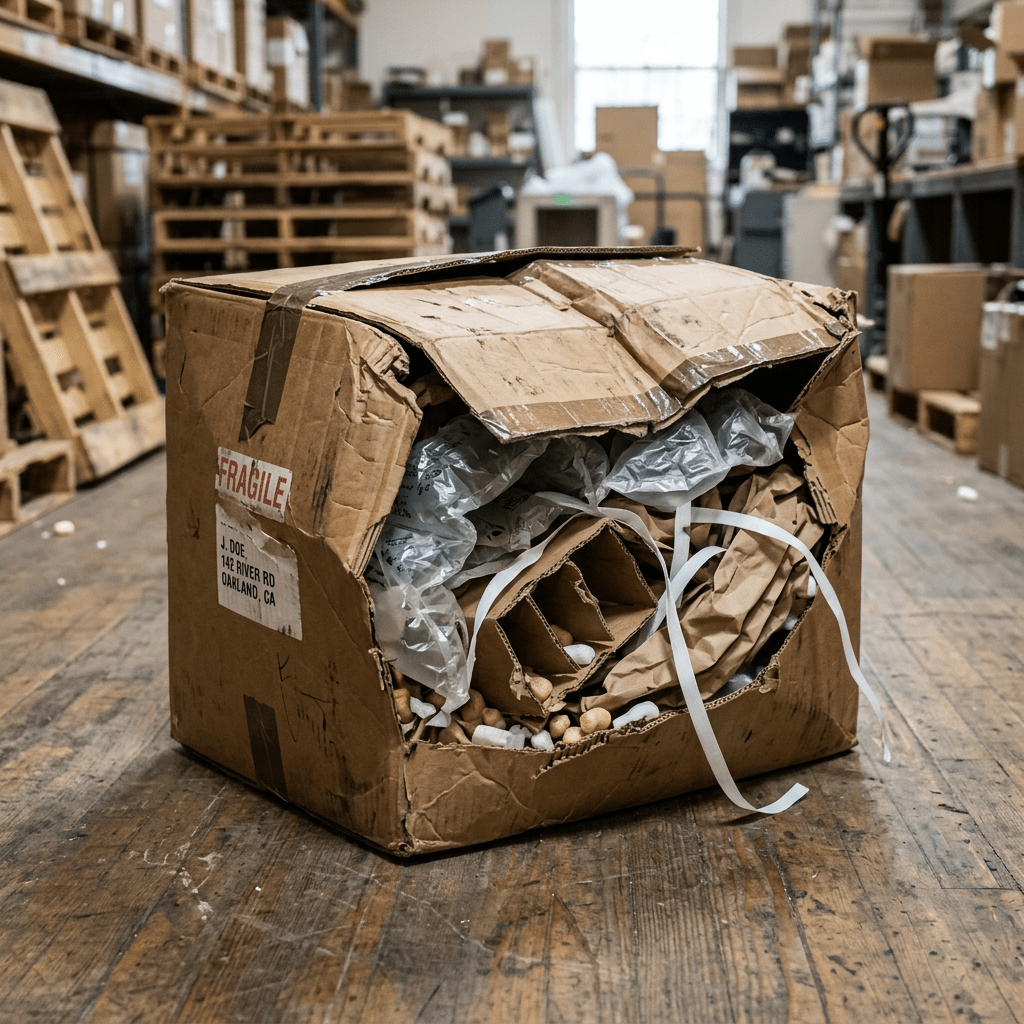
Documentation of missing parts may show where the package opened and/or how the item(s) were packed at time of shipment. Don’t request the buyer to return the contents of their purchase. Carriers will probably want to inspect the packaging exactly as it was when received by the buyer.
Taking good photographs can greatly aid in documenting the damage. First, photograph the entire exterior of the shipping box. Next, get a photograph of each side of the shipping box using bright light. Photograph any dented, punctured, wet areas or torn areas. Ensure the tracking information is legible. Document the interior of the shipping box with packing intact. Last, take pictures showing damage to item(s).
During this process, it is helpful for sellers to collect order documentation related to this sale while the buyer documents the damage. Record the tracking number, ship date, mailing service, dimensions and weight of the shipping box, any additional insurance purchased and details about cost including the bill of sale/receipt reflecting value of the item sold. If applicable record item specifications such as brand/model/color/count/serial # if there is one. A repair estimate may also be necessary.
Don’t let time go by without collecting evidence. All carriers have different filing deadlines. The clock may begin running on either the ship date or the delivery date depending upon which carrier was used. Please refer to carrier regulations regarding filing requirements to ensure compliance with specific services. Also determine who has responsibility to submit claims and provide claim numbers to both parties to link phone calls/files/new notes together.
Collecting customer feedback early-on may assist in retaining evidence for a potential dispute. Express regret for inconvenience caused by the loss/damage. Ask them to preserve all packing materials and include a listing of a few plain photos.
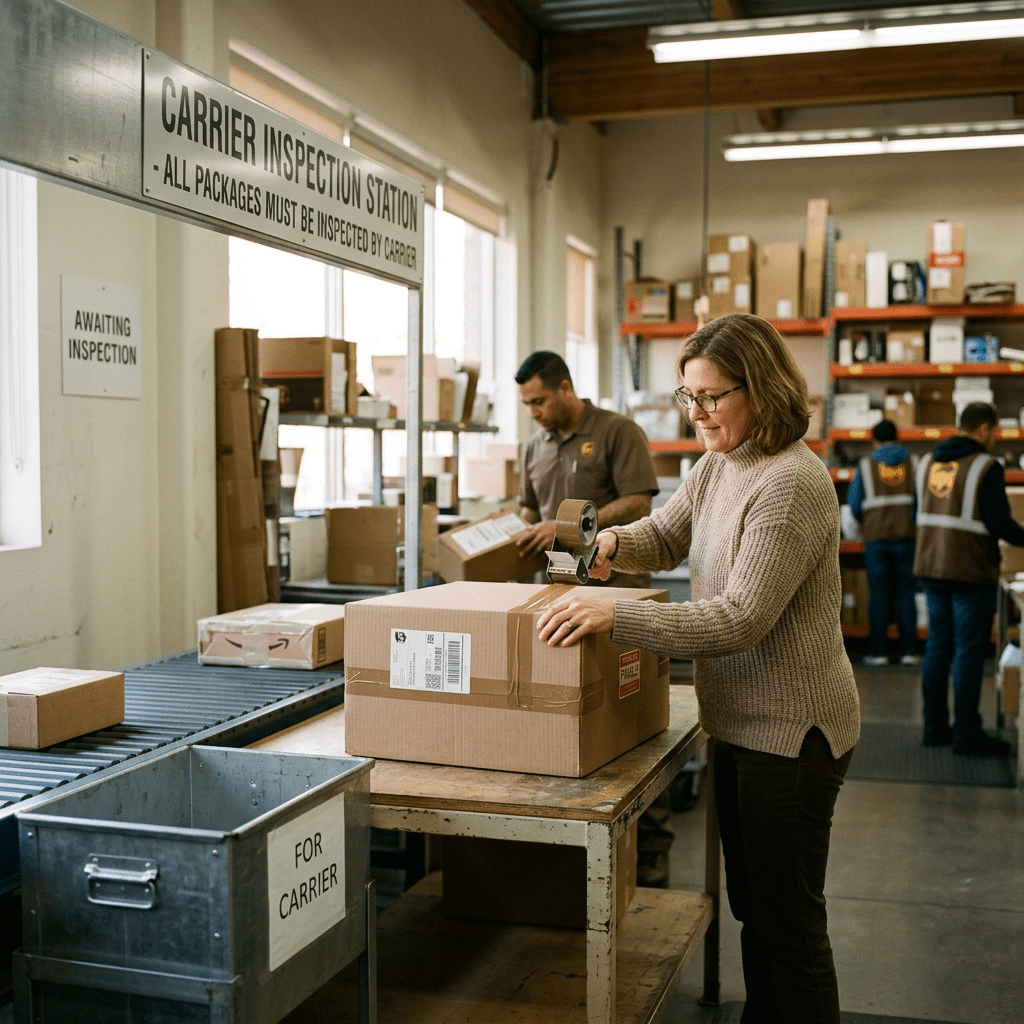
Advise them that an inspection may be required prior to making repairs. Advise them to wait for direction from the carrier prior to taking the packaging materials to a retail outlet/store or Post Office location. Taking these small steps will ease the burden compared to sending lengthy forms with no assistance.
Save all packaging materials until directed otherwise by the carrier after closing the claim. Both FedEx and USPS advise that original packaging may be needed for inspection purposes. UPS may require clear images or allow for a physical review.
Once complete, the item(s) may be repaired, utilized for parts, or disposed of according to local regulations allowing disposal. After claiming, both packaging materials and shredded packing materials can be recycled as per local recycling regulations. Collecting and preserving all packaging materials provides a means to protect your claim; properly separating and disposing of reusable packing materials reduces unnecessary waste.
 Proper Nestification