Tag: ai

Why Strong Boxes Reduce Customer Complaints

Customer complaints rarely start with the product alone. More often, they begin with how the product arrived. Shipping boxes play a major role in shaping that experience.

When a box shows up crushed or damaged, customers expect the worst. They open it cautiously, already frustrated. Even if the product survives, the negative feeling stays.

Weak shipping boxes create unnecessary problems. Thin walls bend under pressure. Corners collapse when stacked. Seams split when tape can’t compensate for poor construction. Each failure increases the chance of a complaint.

Carriers move packages through rough conditions. Boxes get stacked under heavier shipments. They slide across belts. They’re handled quickly and repeatedly. If a box isn’t built for that environment, it won’t hold up.

Strong shipping boxes resist those forces. They keep their shape. They protect corners. They hold seams together. When the box survives, the product inside is far more likely to survive too.

Many businesses try to offset weak boxes with extra tape or extra fill. While that may help in the short term, it slows down packing and raises costs. It also signals that the box itself isn’t doing its job.

Good shipping boxes simplify packing. They don’t need reinforcement. They fold cleanly. They seal easily. Staff can work faster without worrying about failure.

Customer complaints cost more than most people realize. They take time to resolve. They require replacements or refunds. They damage trust. Even when handled well, complaints leave a mark.

Reducing complaints starts with prevention. Strong shipping boxes prevent damage before it happens. They reduce the situations that trigger frustration in the first place.
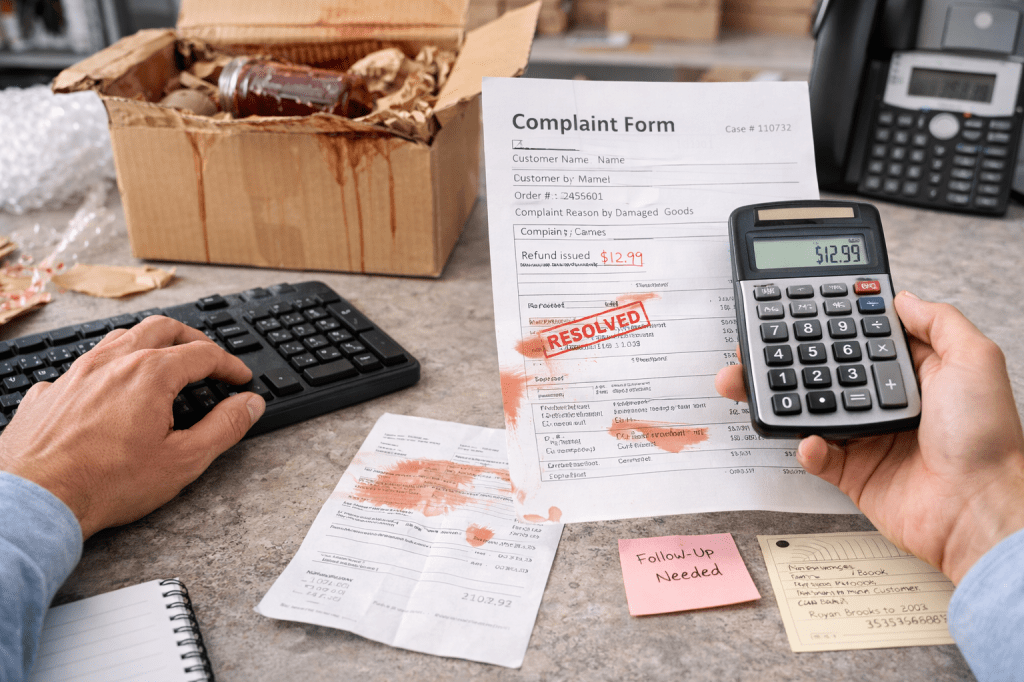
There’s also a visual element. Customers judge care based on appearance. A crushed box suggests neglect. A solid box suggests professionalism. That judgment happens instantly.

Strong boxes also reduce internal stress. Fewer damaged shipments mean fewer interruptions. Customer service handles fewer issues. Fulfillment teams spend less time fixing mistakes.

As order volume grows, the impact of box quality multiplies. What fails occasionally at low volume fails frequently at scale. Complaints increase. Costs rise. Growth slows.

Choosing strong shipping boxes early creates stability. It supports growth without adding friction. It protects both products and reputation.

Shipping boxes don’t get credit when things go right. They only get noticed when they fail. That’s why failure prevention matters more than recognition.

When boxes do their job well, customers stay focused on the product, not the problem. Complaints stay low. Trust stays intact.

That’s the quiet value of strong shipping boxes. They reduce issues most customers never see, and that’s exactly the point.
Don’t Toss the Damaged Box

You have to document your damaged box as soon as possible. When an item arrives damaged from a shipment, buyers often will dispose of the packaging. In doing this, they may lose some evidence that the carriers (FedEx/UPS/USPS) would need to support the damage claim.

Before disposing of anything, tell the buyer to put the damaged item, the entire outer shipping container and every part of the packing materials in a safe place. In addition to saving the outer shipping container, encourage the buyer to retain all other packing materials such as tape, paper, foam inserts, air cushions, internal containers, labels and pieces of items. 

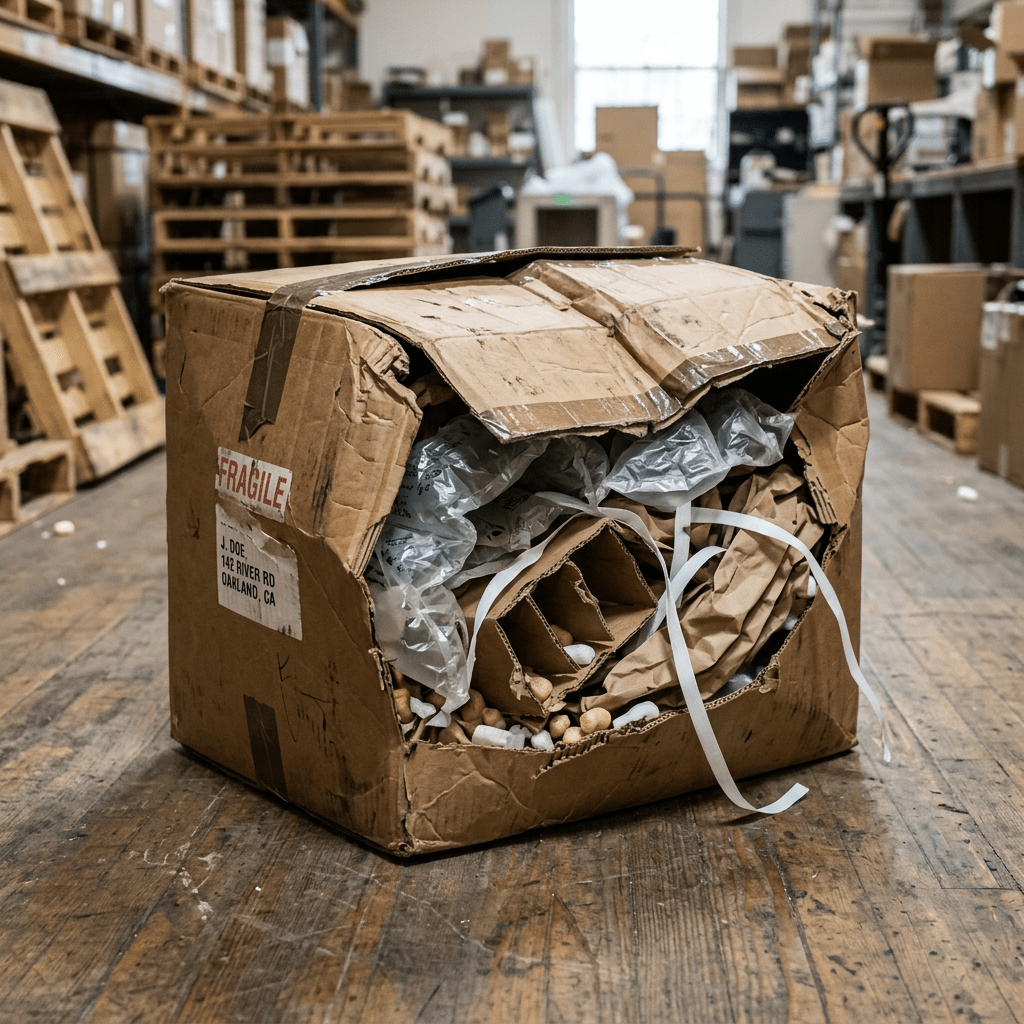
Crushed cardboard box labeled fragile with packing peanuts and bubble wrap inside
A heavily damaged cardboard box labeled fragile sits in a warehouse filled with packing materials.

Documentation of missing parts may show where the package opened and/or how the item(s) were packed at time of shipment. Don’t request the buyer to return the contents of their purchase. Carriers will probably want to inspect the packaging exactly as it was when received by the buyer.

Taking good photographs can greatly aid in documenting the damage. First, photograph the entire exterior of the shipping box. Next, get a photograph of each side of the shipping box using bright light. Photograph any dented, punctured, wet areas or torn areas. Ensure the tracking information is legible. Document the interior of the shipping box with packing intact. Last, take pictures showing damage to item(s).

During this process, it is helpful for sellers to collect order documentation related to this sale while the buyer documents the damage. Record the tracking number, ship date, mailing service, dimensions and weight of the shipping box, any additional insurance purchased and details about cost including the bill of sale/receipt reflecting value of the item sold. If applicable record item specifications such as brand/model/color/count/serial # if there is one. A repair estimate may also be necessary.

Don’t let time go by without collecting evidence. All carriers have different filing deadlines. The clock may begin running on either the ship date or the delivery date depending upon which carrier was used. Please refer to carrier regulations regarding filing requirements to ensure compliance with specific services. Also determine who has responsibility to submit claims and provide claim numbers to both parties to link phone calls/files/new notes together.

Collecting customer feedback early-on may assist in retaining evidence for a potential dispute. Express regret for inconvenience caused by the loss/damage. Ask them to preserve all packing materials and include a listing of a few plain photos. 

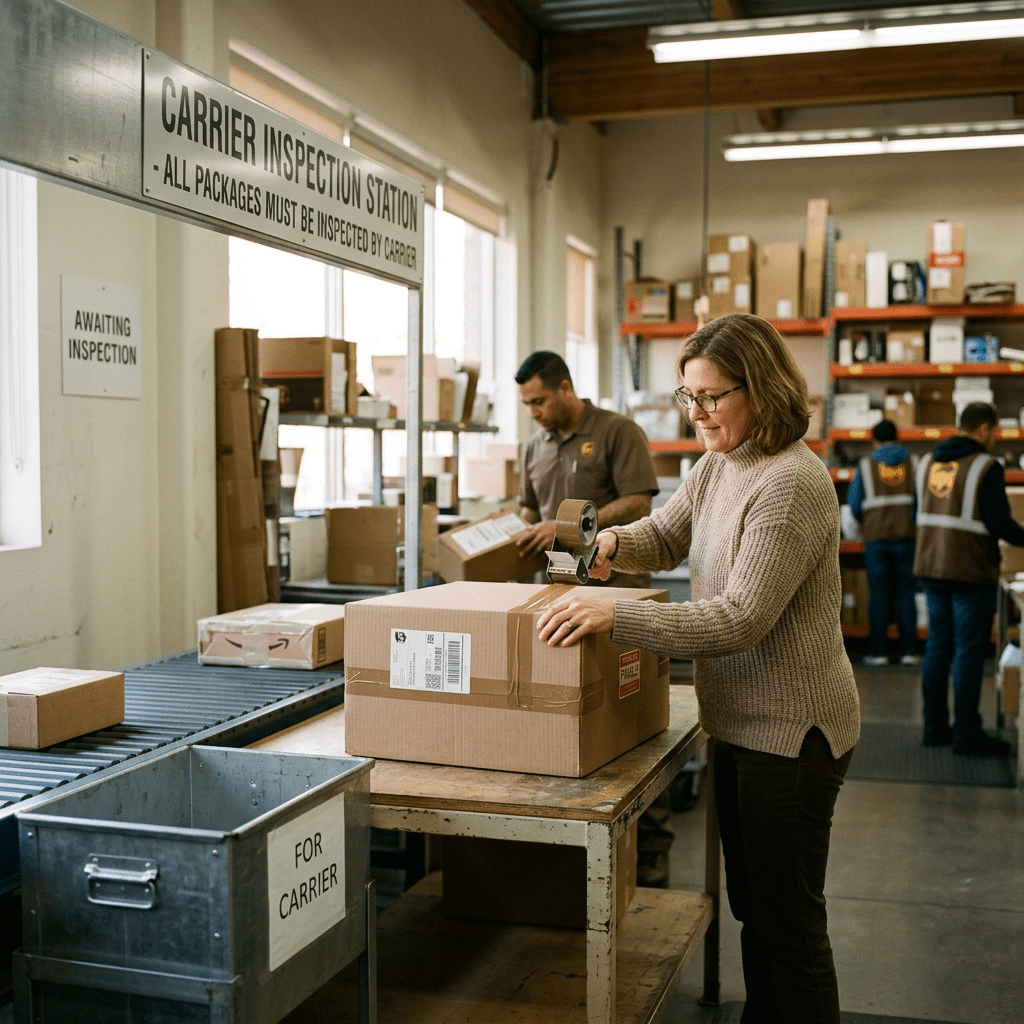
Worker taping a cardboard box at a carrier inspection station in a warehouse
A worker sealing a package at a carrier inspection station in a busy warehouse

Advise them that an inspection may be required prior to making repairs. Advise them to wait for direction from the carrier prior to taking the packaging materials to a retail outlet/store or Post Office location. Taking these small steps will ease the burden compared to sending lengthy forms with no assistance.

Save all packaging materials until directed otherwise by the carrier after closing the claim. Both FedEx and USPS advise that original packaging may be needed for inspection purposes. UPS may require clear images or allow for a physical review. 

Once complete, the item(s) may be repaired, utilized for parts, or disposed of according to local regulations allowing disposal. After claiming, both packaging materials and shredded packing materials can be recycled as per local recycling regulations. Collecting and preserving all packaging materials provides a means to protect your claim; properly separating and disposing of reusable packing materials reduces unnecessary waste.