Tag: technology

How Good Shipping Boxes Make Shipping Easier Every Day

Shipping problems often feel like they come from many places at once. Delays. Damage. Repacking. Customer complaints. In many cases, these issues trace back to one simple source: the shipping box.

When shipping boxes are chosen carefully and used consistently, daily operations become smoother. When they are not, small problems repeat themselves over and over.

Good shipping boxes quietly remove friction from the shipping process.

Shipping Boxes Reduce Decision Fatigue
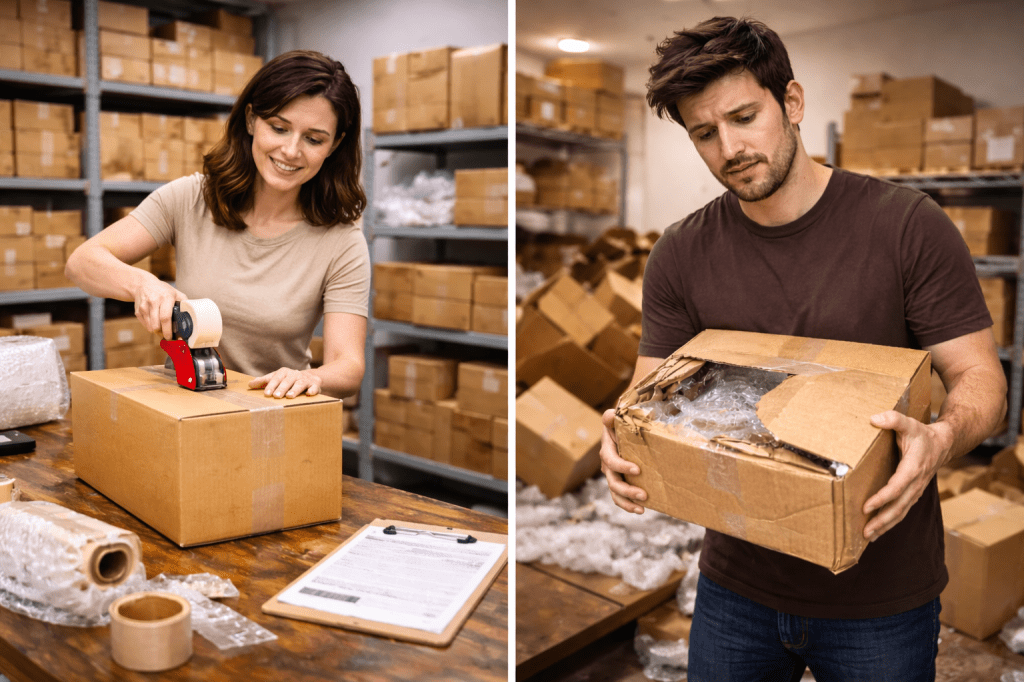
Packing orders requires many small decisions. Which box to use. How much padding is needed. Whether the box feels strong enough.

When shipping boxes vary in size, strength, or quality, employees must stop and reassess each order. This slows packing and increases the chance of mistakes.

Using standardized shipping boxes removes that guesswork. Employees know which box to grab and how it will perform. Packing becomes routine instead of uncertain.

Fewer decisions lead to faster, more consistent packing.

Faster Packing Without Cutting Corners

Good shipping boxes speed up packing without sacrificing protection.

Boxes that fold cleanly save time. Boxes that hold their shape do not need reinforcement. Boxes that fit the product well require less filler.

When boxes perform as expected, packing stations flow smoothly. Orders move through without pauses to fix issues or add extra materials.

This efficiency compounds across many orders, saving time throughout the day.

Shipping Boxes Help Prevent Rework

Repacking costs time and materials.

When a box feels weak or poorly sized, employees may reopen it to add more padding or switch boxes entirely. This rework slows fulfillment and increases waste.

Strong, right-sized shipping boxes reduce the need for repacking. Once an order is packed and sealed, it stays that way.

Preventing rework improves productivity and reduces frustration for packing teams.

Better Boxes Mean Fewer Interruptions

Damaged shipments interrupt normal operations.

Customer service must respond. Replacement orders must be packed. Inventory must be adjusted. Each interruption pulls attention away from new orders.

Reliable shipping boxes reduce damage rates. Fewer damaged shipments mean fewer interruptions and a more predictable workflow.

Over time, this stability improves overall efficiency and morale.

Consistency Supports Scaling

As order volume grows, small inefficiencies become larger problems.

Shipping boxes that work well at low volume may fail when shipments increase. Weak boxes collapse under heavier stacking. Inconsistent box choices slow packing as teams grow.

Using dependable shipping boxes creates a foundation that supports growth. The same boxes and packing methods can be used consistently as volume increases.

This makes scaling easier and less chaotic.

Shipping Boxes and Storage Efficiency
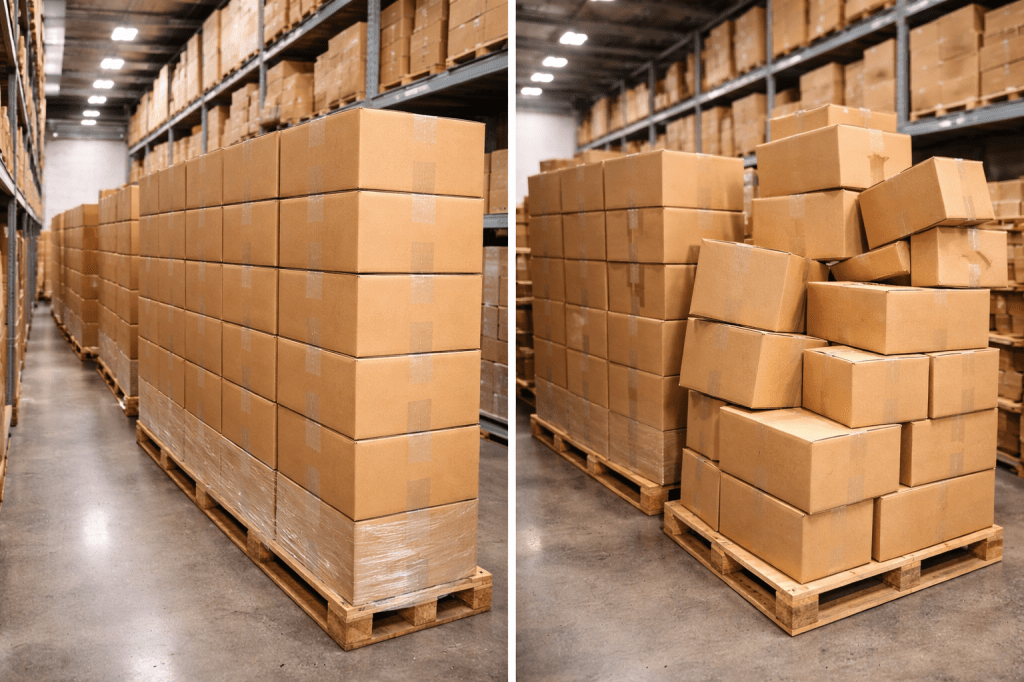
Shipping boxes also affect storage.

Boxes that stack properly make better use of warehouse space. Uniform box sizes create stable stacks and reduce the risk of collapse.

Inconsistent box shapes and strengths create uneven stacks that waste space and increase handling risk.

Well-chosen shipping boxes improve organization and safety in storage areas.

Customer Experience Benefits From Simplicity

Customers experience the results of good shipping boxes even if they never think about them.

Orders arrive intact. Boxes open cleanly. Products look cared for. These details create a positive experience without drawing attention to the packaging itself.

Customers feel confident ordering again because the delivery experience was smooth and predictable.

Shipping Boxes as a Daily Tool

Shipping boxes are used every day, often hundreds of times.

Because they are so common, their impact is easy to overlook. But when shipping boxes perform reliably, they simplify many parts of the shipping process at once.

Good shipping boxes reduce decisions, speed up packing, prevent rework, and support consistent results. They make daily operations easier by quietly doing their job.

When shipping boxes work well, shipping becomes less stressful and more efficient from the first order to the last.
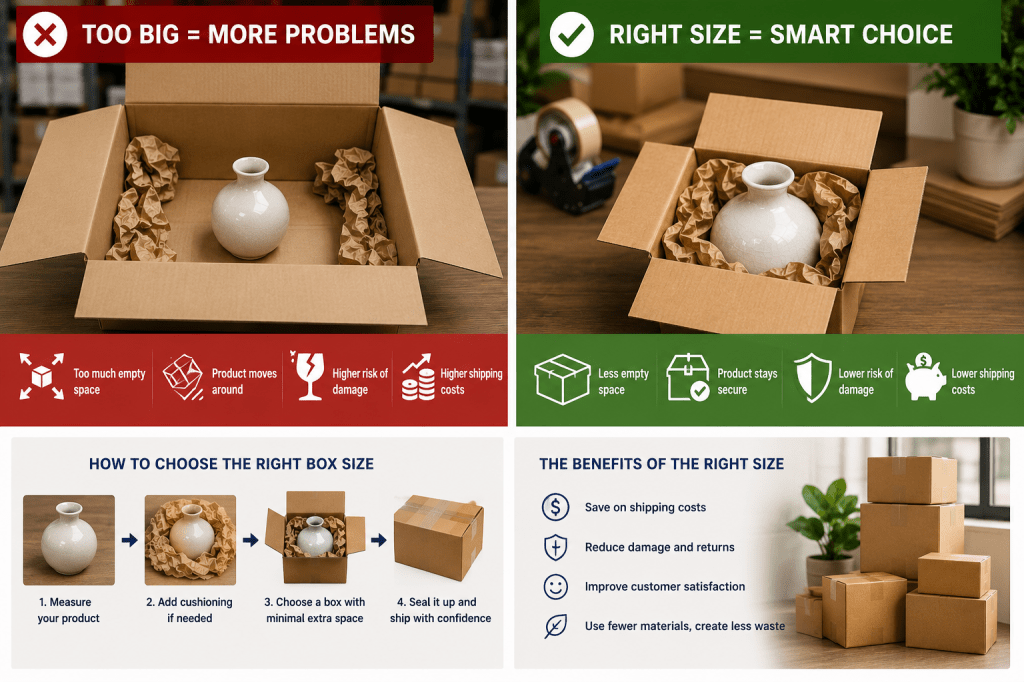
Bigger Boxes Waste Money

Some businesses think using larger shipping boxes makes packing easier. There is more room inside, more space for padding, and less worrying about whether the product will fit. But oversized boxes can quietly create problems that cost companies money over time.

A box that is too large often leaves empty space around the product.

That may not sound like a big deal, but during shipping, products move constantly. Packages get tossed onto conveyor belts, stacked inside trucks, and pushed around warehouses for hours or even days. If items slide around inside the box the whole time, damage becomes much more likely.

That is why proper box size matters more than many people expect.

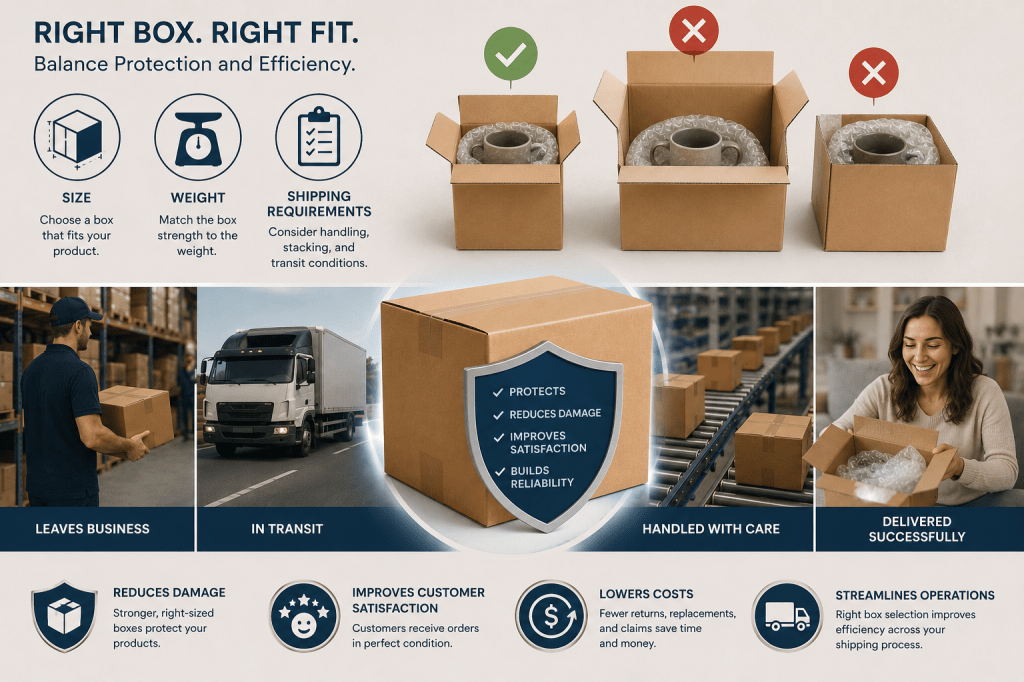
One common question businesses ask is how to know which shipping box size works best. A good box should fit the product closely without squeezing it too tightly. There should be enough room for cushioning materials if needed, but not so much space that the item shifts around during transit.

Using the right size can also lower shipping costs.

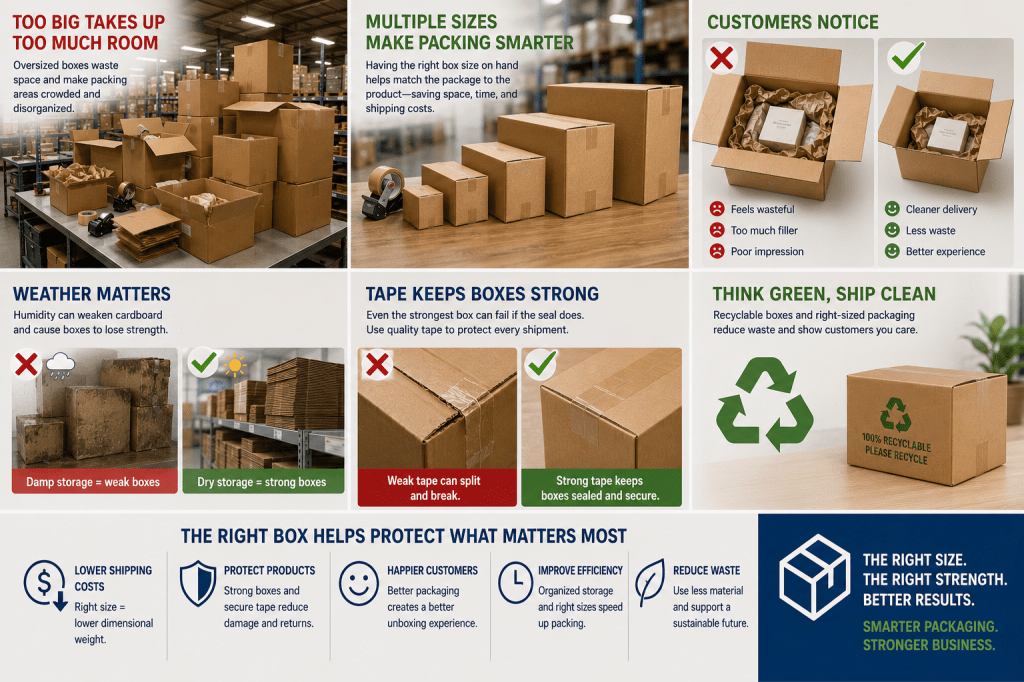
Many delivery companies now charge based on package dimensions as well as weight. Large boxes take up more space on trucks and sorting equipment. Even lightweight shipments can become expensive if the packaging is oversized. Smaller boxes often help businesses save money while reducing wasted materials.

People also ask whether stronger boxes are always necessary. Not every shipment needs thick heavy-duty corrugated cardboard. Lightweight products like shirts or hats may ship safely in thinner packaging. Fragile or heavy items, though, usually need stronger shipping boxes that can handle stacking pressure and rough handling during transit.

Another thing businesses sometimes overlook is storage space.

Large shipping boxes take up room quickly inside warehouses or stock areas. Keeping too many oversized boxes can make packing stations crowded and disorganized. Some companies now keep multiple box sizes available so workers can match packaging more closely to the order being shipped.

Customers notice packaging too.

A giant box arriving with one tiny item inside can feel wasteful to many buyers. Some customers get frustrated seeing piles of unnecessary filler materials just to protect a small product. Businesses using better-sized shipping boxes often create cleaner-looking deliveries while reducing packaging waste at the same time.

Weather can affect boxes more than people realize as well. Cardboard stored in humid areas may weaken before it is even used. Damp boxes lose strength and may crush more easily during shipping. Keeping shipping boxes dry and stacked properly helps them stay strong longer.

Tape plays an important role too. Even a strong box can fail if the seal comes apart during transit. Heavy shipments especially need reliable tape to keep flaps secure while moving through trucks and warehouses. Weak tape can lead to split seams and damaged orders very quickly.

There is also growing demand for recyclable shipping boxes. Many businesses are trying to reduce waste by using recyclable cardboard and avoiding oversized packaging whenever possible. Customers who care about the environment often appreciate companies making those efforts.

Shipping boxes may look simple sitting flat in storage, but they affect shipping costs, product safety, customer experience, and business efficiency every day. Choosing the right box size and strength can prevent many common shipping problems before they ever happen.

Most Boxes Fail Here

Most Boxes Fail Here

A shipping box is only as strong as the weakest link in its chain. In most cases, the toughest challenge the shipping box will face is not on route to the consumer’s home; but rather before the delivery truck even reaches the consumers’ neighborhood. Shipping boxes are frequently stacked, pushed, pulled, sorted and manipulated. This is why selecting a suitable shipping box is so important.

Typically, there are two questions business owner’s ask. First, how can I minimize damage to my shipments? Second, what shipping box should I use?

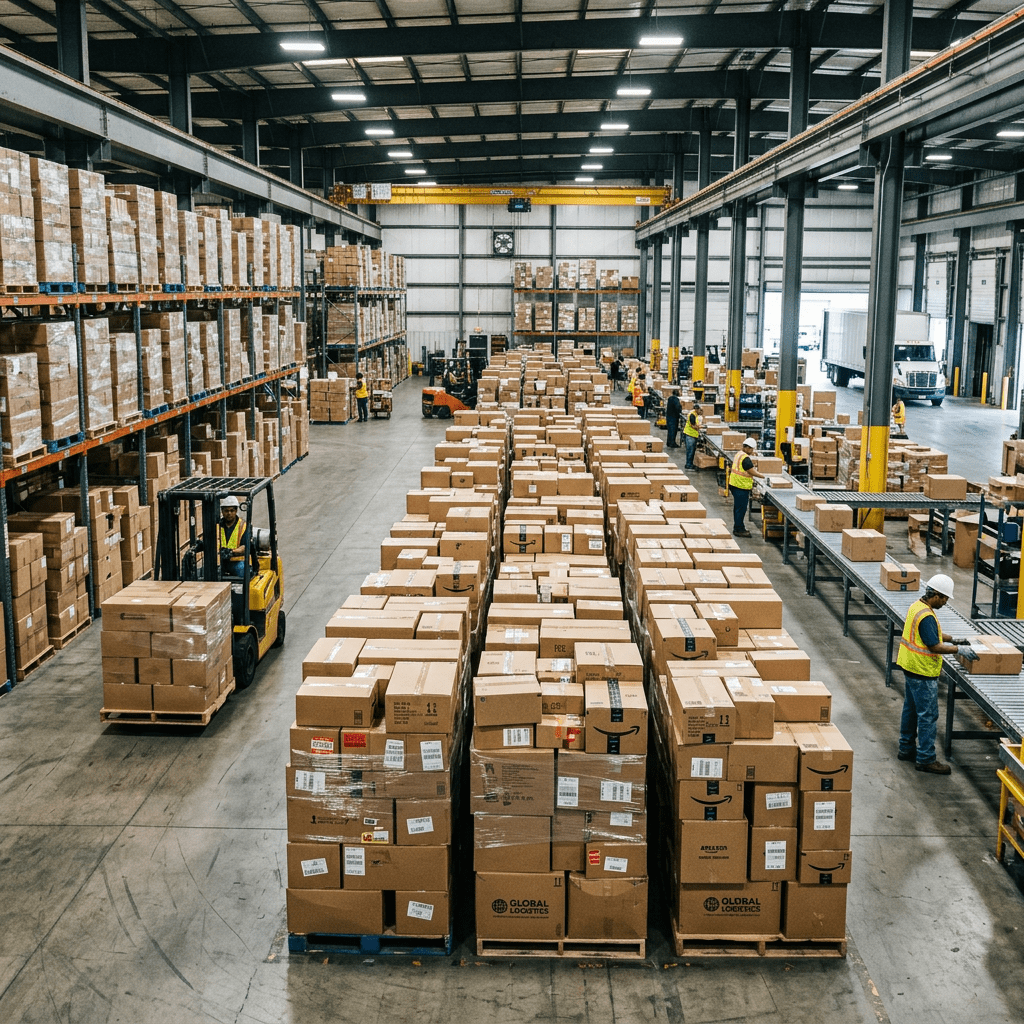
Workers in safety vests and hard hats sorting packages on conveyors and forklifts moving pallets of boxes in a spacious warehouse
Workers and forklifts organizing packages in a large warehouse

Firstly, let us review the shipping box. Is the thickness of the walls adequate? Is the size of the box proper? These factors could determine if your product will be damaged prior to reaching its final destination.

Now imagine you take a large item and put it into a weaker box. At first all appears to be normal. However, then you add another package on top of it during shipping. The lower box begins to warp, the sides begin to arch, and now your product is experiencing far more stress than it was originally designed to handle. Using a sturdier shipping box may help avoid these problems before they occur.

Secondly, does each product require the same type of shipping box? The answer is no. Each product requires a unique shipping box based upon the weight and density of the product. Selecting the proper shipping box for each shipment provides optimal protection to the products contained within the shipment while minimizing additional shipping expenses.

In addition, having multiple box sizes available can also aid in expediting your packing process. Employees who do not have to struggle fitting items into smaller boxes or filling larger boxes with excessive packaging material can complete orders faster and with fewer errors. Even minor reductions in labor hours can result in significant time savings during the day.

Furthermore, many shipping boxes today contain recycled materials which allows you to continue making environmentally conscious decisions without sacrificing strength or durability. Your customers will perceive your company in a positive light when they see you attempting to reduce unnecessary waste while still protecting their products.

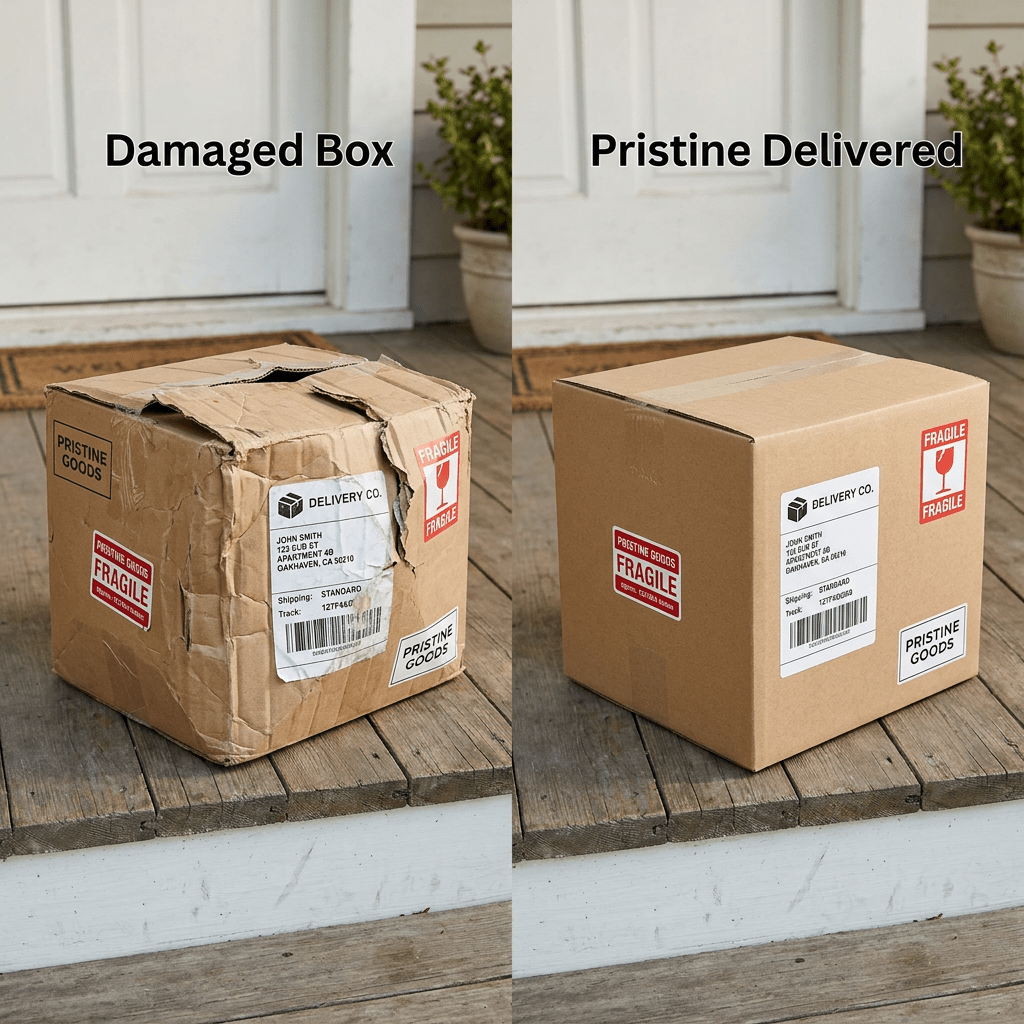
Comparison of a crushed damaged cardboard box and a pristine, undamaged delivery box on a wooden porch
Side-by-side view of a severely damaged box and a pristine, undamaged delivery box.

Each and every shipment communicates some aspect of your business to your customers. A crushed box or damaged product conveys one message. A neat package that arrived undamaged conveys a vastly different message. When your product arrives as anticipated your customers know that they can expect to receive quality products from you.

In conclusion, the appropriate shipping box will provide much more than just protection to the contents of the shipment. It will protect your image and credibility; help maintain a controlled cost structure; and create an added level of confidence for your customers when they decide to purchase from you again.

The Box Does More

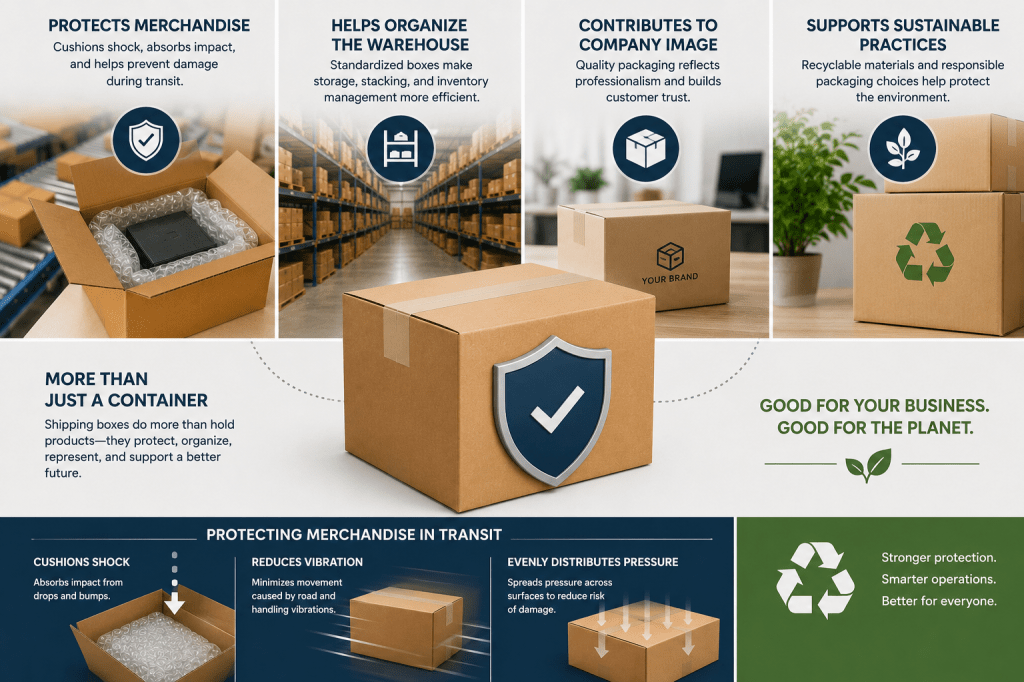
In addition to serving as a container, a shipping box protects merchandise during transit; helps organize the warehouse; contributes to the image of a company; and supports sustainable practices.

In terms of protecting merchandise, shipping boxes help cushion shock from falls, vibrations and other pressures that occur during transit. In addition, a good shipping box will help to evenly distribute pressure on a product.

The cost of using a particular type of shipping box is an important factor when deciding which types of boxes to buy. However, there are times when the cost savings realized from preventing merchandise loss outweighs the increased costs of purchasing higher-quality shipping boxes.

Whether or not to offer different types of shipping boxes to fit the various needs of your customers is another decision you need to consider. If your customers have very diverse products, then it would be wise to invest in a large number of different sized shipping boxes. On the other hand, if all of your products fit into a few standard size boxes, then you could potentially cut down on your shipping box expenses by limiting your purchases to just a few different sizes.

Finally, when selecting a shipping box, remember to choose a box made out of recyclable material. Your customers may look favorably upon companies that demonstrate concern for the environment. Using recyclable shipping boxes can contribute to your company’s sustainability efforts.

Overall, the role of shipping boxes in delivering packages goes far beyond being simply a way to pack items safely. By offering high-quality shipping boxes that are designed to handle a variety of conditions that might arise during delivery, your company can enhance its reputation for reliability and customer service. In addition, buying shipping boxes in bulk can help you save money and streamline your packaging processes. These benefits combined make shipping boxes a vital part of the packaging process.

Because so many aspects of the delivery process depend on how well each component works together, shipping boxes play a crucial part in ensuring a safe and efficient experience for both the consumer and the merchant. When businesses fully comprehend the roles that shipping boxes serve (i.e., protecting merchandise during delivery, organizing the warehouse, creating a favorable impression among consumers and contributing to environmentally friendly practices) they are better able to make informed packaging-related decisions that result in increased operational efficiencies and enhanced levels of customer satisfaction.

Why Strong Boxes Reduce Customer Complaints

Customer complaints rarely start with the product alone. More often, they begin with how the product arrived. Shipping boxes play a major role in shaping that experience.

When a box shows up crushed or damaged, customers expect the worst. They open it cautiously, already frustrated. Even if the product survives, the negative feeling stays.

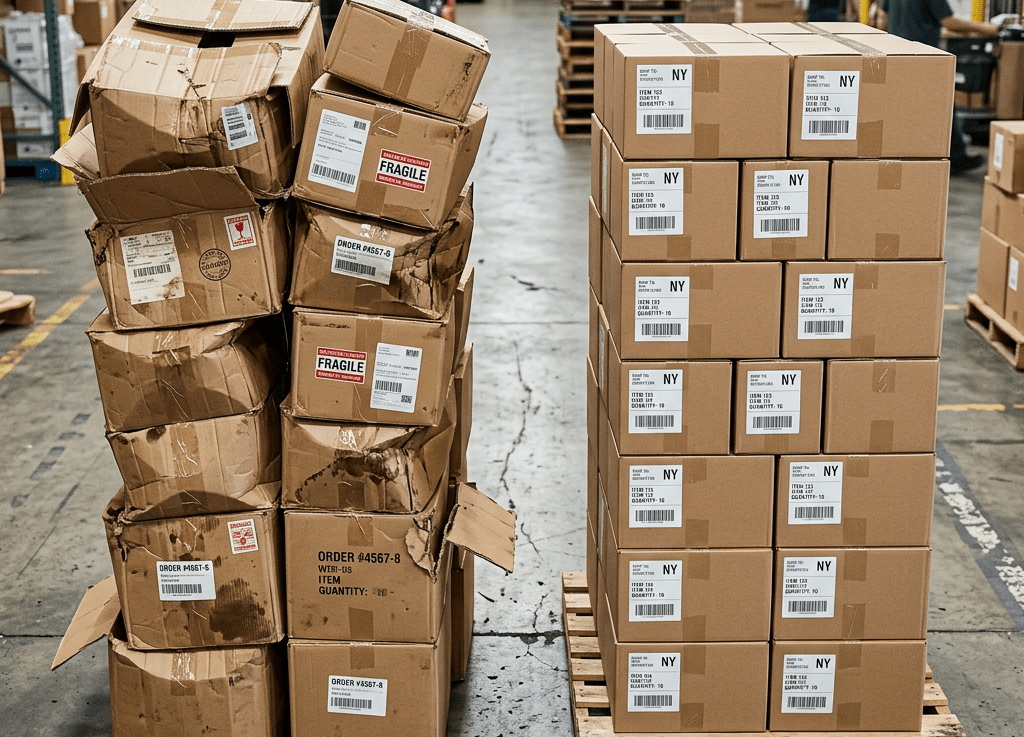
Weak shipping boxes create unnecessary problems. Thin walls bend under pressure. Corners collapse when stacked. Seams split when tape can’t compensate for poor construction. Each failure increases the chance of a complaint.

Carriers move packages through rough conditions. Boxes get stacked under heavier shipments. They slide across belts. They’re handled quickly and repeatedly. If a box isn’t built for that environment, it won’t hold up.

Strong shipping boxes resist those forces. They keep their shape. They protect corners. They hold seams together. When the box survives, the product inside is far more likely to survive too.

Many businesses try to offset weak boxes with extra tape or extra fill. While that may help in the short term, it slows down packing and raises costs. It also signals that the box itself isn’t doing its job.

Good shipping boxes simplify packing. They don’t need reinforcement. They fold cleanly. They seal easily. Staff can work faster without worrying about failure.

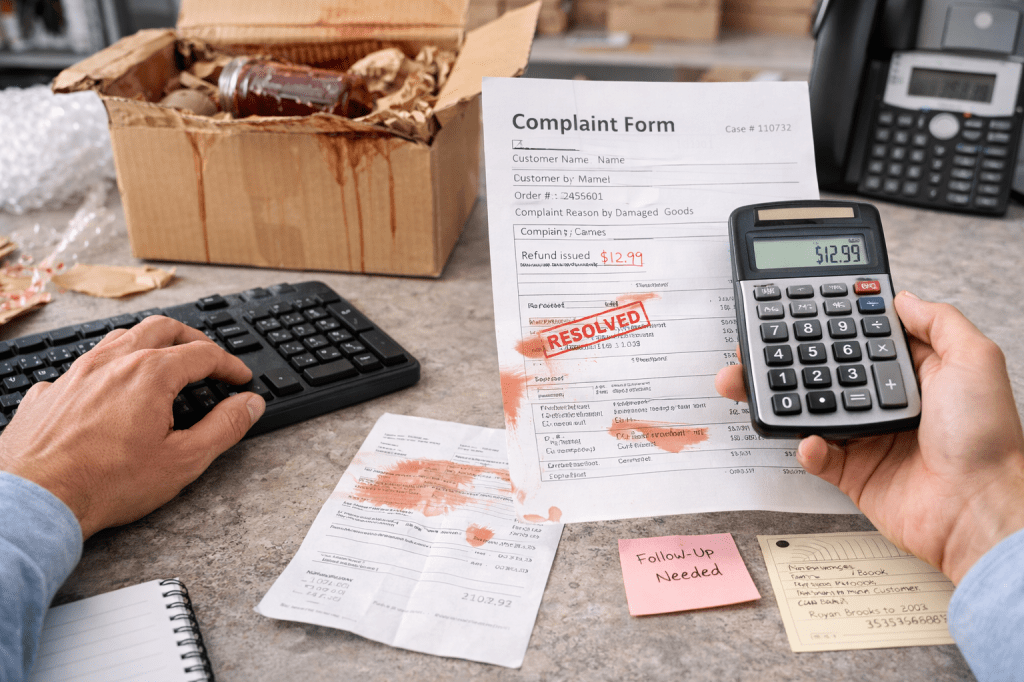
Customer complaints cost more than most people realize. They take time to resolve. They require replacements or refunds. They damage trust. Even when handled well, complaints leave a mark.

Reducing complaints starts with prevention. Strong shipping boxes prevent damage before it happens. They reduce the situations that trigger frustration in the first place.

There’s also a visual element. Customers judge care based on appearance. A crushed box suggests neglect. A solid box suggests professionalism. That judgment happens instantly.

Strong boxes also reduce internal stress. Fewer damaged shipments mean fewer interruptions. Customer service handles fewer issues. Fulfillment teams spend less time fixing mistakes.

As order volume grows, the impact of box quality multiplies. What fails occasionally at low volume fails frequently at scale. Complaints increase. Costs rise. Growth slows.

Choosing strong shipping boxes early creates stability. It supports growth without adding friction. It protects both products and reputation.

Shipping boxes don’t get credit when things go right. They only get noticed when they fail. That’s why failure prevention matters more than recognition.

When boxes do their job well, customers stay focused on the product, not the problem. Complaints stay low. Trust stays intact.

That’s the quiet value of strong shipping boxes. They reduce issues most customers never see, and that’s exactly the point.

Why Quality Shipping Supplies Matter More Than Most People Realize

Shipping supplies are one of the last things a customer sees but one of the first things a business depends on. They protect products, simplify the packing process, and support every step between a warehouse shelf and a customer’s doorstep. Without reliable supplies—boxes, tape, mailers, cushioning, labels, and bags—the entire shipping operation becomes slower, messier, and far more costly.

The value of quality shipping supplies begins with durability. A box with weak walls or poor strength can collapse under pressure. Tape that doesn’t stick can peel open during transit. Cushions that flatten too easily won’t protect against bumps and impacts. The shipping environment is rough, and good supplies are built for that reality. They absorb the motion, pressure, and unpredictable handling that packages face along the way. Every mile traveled increases the odds of damage, so the supplies must act as the product’s armor.

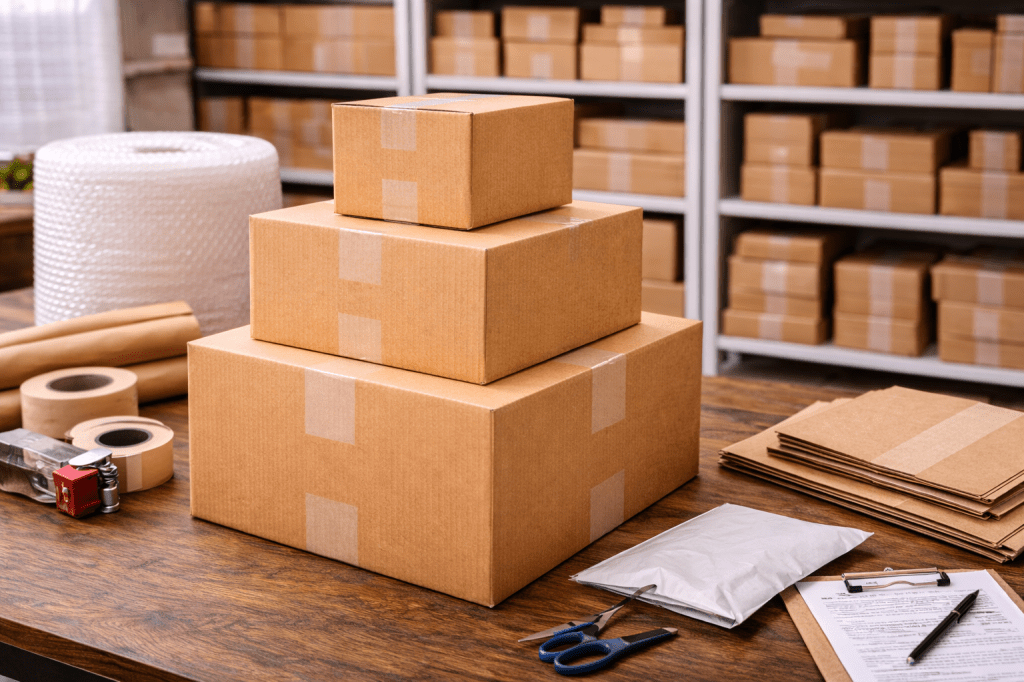
But durability is only one part of the story. Shipping supplies also affect efficiency. A well-organized packing station stocked with predictable supplies allows workers to move quickly. When they know exactly which box fits which item, how much cushioning is needed, and which materials seal best, errors drop dramatically. Fewer mistakes mean fewer returns, fewer delays, and a smoother workflow. Workers aren’t improvising—they’re following a reliable system.

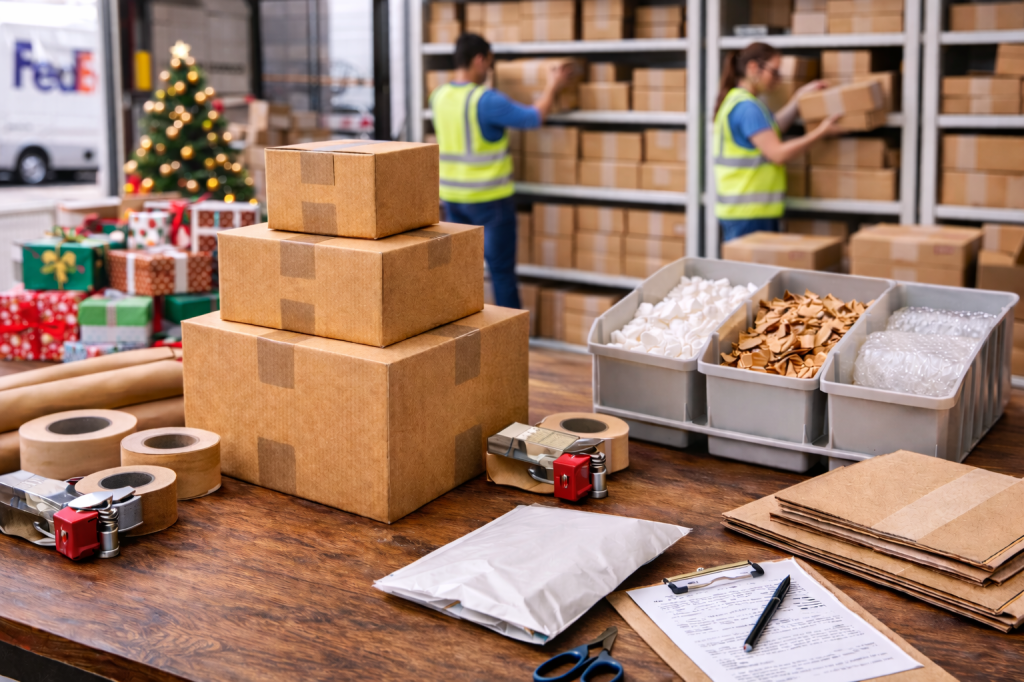
That system is what keeps shipping operations from breaking down during busy seasons. Holidays, sales events, and peak buying times all place pressure on fulfillment teams. When orders pile up, speed matters. Packaging supplies that perform consistently help teams handle high volume without sacrificing accuracy. Good tape sticks the first time. Boxes hold their shape under pressure. Mailers close securely without fuss. This reliability allows businesses to scale smoothly.

Shipping supplies also shape customer perception in powerful ways. A customer doesn’t see the warehouse or the packing station, but they see the result: the box or mailer that arrives at their home. A neat, well-packed shipment tells them the business cares. Items stay organized. Nothing is loose or rattling. The packaging fits properly, not oversized or sloppy. This simple experience builds trust and makes the customer more likely to buy again.

On the other hand, poor packaging sends a negative message immediately. A flimsy box, crooked tape, or damaged item can undo a customer’s confidence in seconds. Even if the product is fine, the carelessness in presentation can leave a bad impression. Shipping supplies are part of the brand experience—even if customers don’t consciously think of them that way.

Costs play a major role, too. Using higher-quality supplies may seem more expensive upfront, but the return on investment is significant. Stronger materials prevent damage, which means fewer replacements and refunds. Better sealing supplies prevent packages from opening mid-transit, reducing loss. Consistent sizing reduces shipping waste and helps control postage costs. Over time, these savings add up.

Shipping supplies also serve everyday needs outside of business. Families use them when mailing gifts, returning items, or packing belongings for a move. A good roll of tape or a strong box can make the difference between a smooth task and a frustrating one. Bubble mailers protect fragile pieces. Poly bags keep fabrics clean. Labels keep everything organized. The same tools that keep businesses running also help with simple tasks at home.

Branding has become another area where shipping supplies add value. Custom tape, stickers, or even printed labels can turn a basic box into a recognizable touchpoint. A customer might see the brand logo before they even open the package. This builds familiarity and strengthens the connection between business and customer.

In the end, shipping supplies are small tools with big responsibilities. They protect products, streamline workflows, shape customer impressions, and reduce operational stress. When chosen well, they make shipping faster, safer, and more professional. They’re the difference between a package that arrives with confidence—and one that arrives with problems.

Don’t Toss the Damaged Box

You have to document your damaged box as soon as possible. When an item arrives damaged from a shipment, buyers often will dispose of the packaging. In doing this, they may lose some evidence that the carriers (FedEx/UPS/USPS) would need to support the damage claim.

Before disposing of anything, tell the buyer to put the damaged item, the entire outer shipping container and every part of the packing materials in a safe place. In addition to saving the outer shipping container, encourage the buyer to retain all other packing materials such as tape, paper, foam inserts, air cushions, internal containers, labels and pieces of items. 

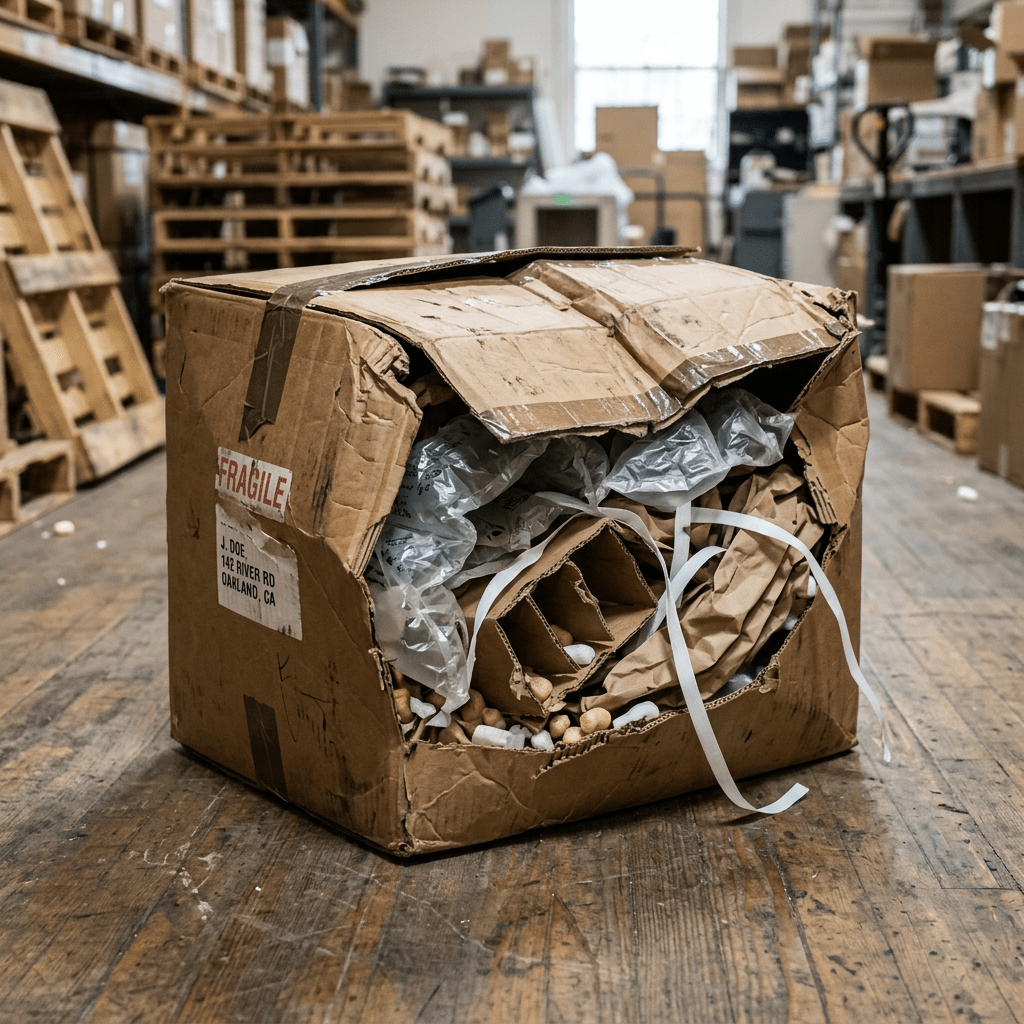
Crushed cardboard box labeled fragile with packing peanuts and bubble wrap inside
A heavily damaged cardboard box labeled fragile sits in a warehouse filled with packing materials.

Documentation of missing parts may show where the package opened and/or how the item(s) were packed at time of shipment. Don’t request the buyer to return the contents of their purchase. Carriers will probably want to inspect the packaging exactly as it was when received by the buyer.

Taking good photographs can greatly aid in documenting the damage. First, photograph the entire exterior of the shipping box. Next, get a photograph of each side of the shipping box using bright light. Photograph any dented, punctured, wet areas or torn areas. Ensure the tracking information is legible. Document the interior of the shipping box with packing intact. Last, take pictures showing damage to item(s).

During this process, it is helpful for sellers to collect order documentation related to this sale while the buyer documents the damage. Record the tracking number, ship date, mailing service, dimensions and weight of the shipping box, any additional insurance purchased and details about cost including the bill of sale/receipt reflecting value of the item sold. If applicable record item specifications such as brand/model/color/count/serial # if there is one. A repair estimate may also be necessary.

Don’t let time go by without collecting evidence. All carriers have different filing deadlines. The clock may begin running on either the ship date or the delivery date depending upon which carrier was used. Please refer to carrier regulations regarding filing requirements to ensure compliance with specific services. Also determine who has responsibility to submit claims and provide claim numbers to both parties to link phone calls/files/new notes together.

Collecting customer feedback early-on may assist in retaining evidence for a potential dispute. Express regret for inconvenience caused by the loss/damage. Ask them to preserve all packing materials and include a listing of a few plain photos. 

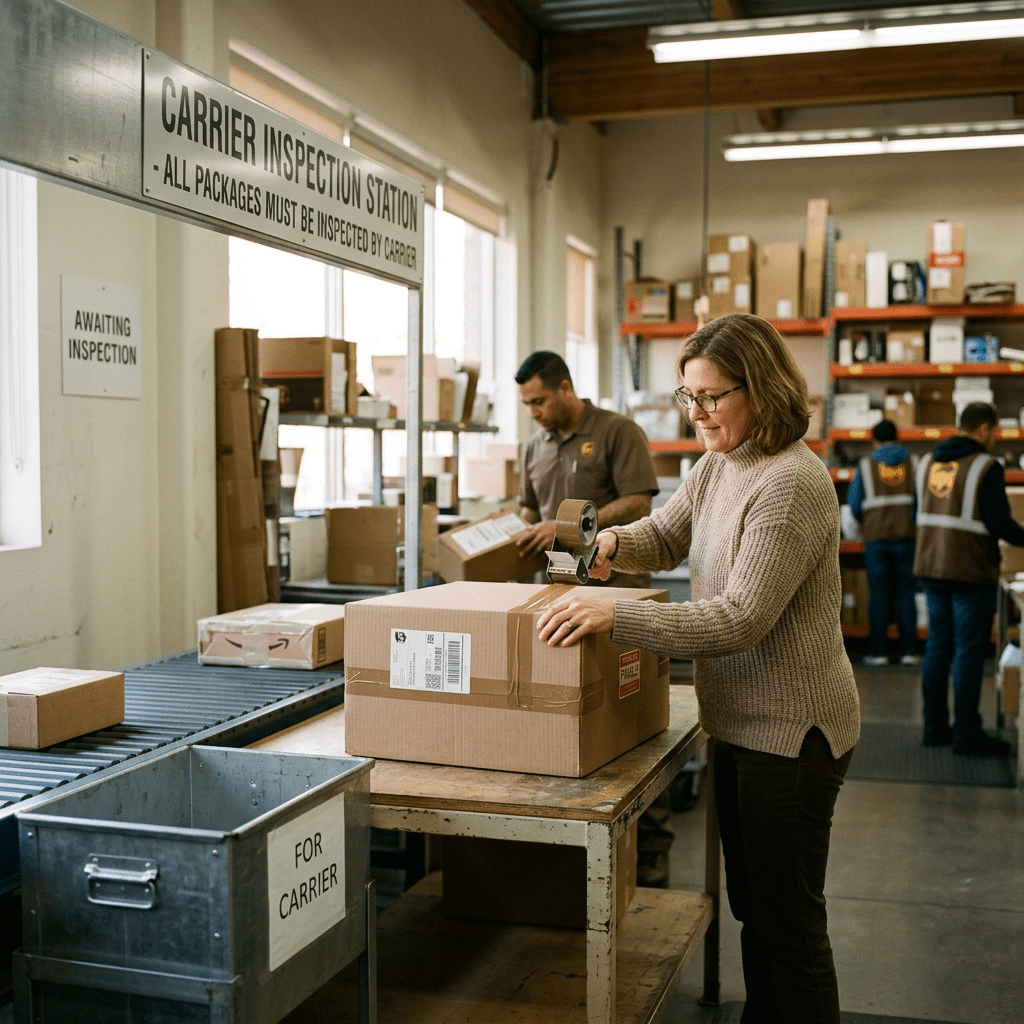
Worker taping a cardboard box at a carrier inspection station in a warehouse
A worker sealing a package at a carrier inspection station in a busy warehouse

Advise them that an inspection may be required prior to making repairs. Advise them to wait for direction from the carrier prior to taking the packaging materials to a retail outlet/store or Post Office location. Taking these small steps will ease the burden compared to sending lengthy forms with no assistance.

Save all packaging materials until directed otherwise by the carrier after closing the claim. Both FedEx and USPS advise that original packaging may be needed for inspection purposes. UPS may require clear images or allow for a physical review. 

Once complete, the item(s) may be repaired, utilized for parts, or disposed of according to local regulations allowing disposal. After claiming, both packaging materials and shredded packing materials can be recycled as per local recycling regulations. Collecting and preserving all packaging materials provides a means to protect your claim; properly separating and disposing of reusable packing materials reduces unnecessary waste.