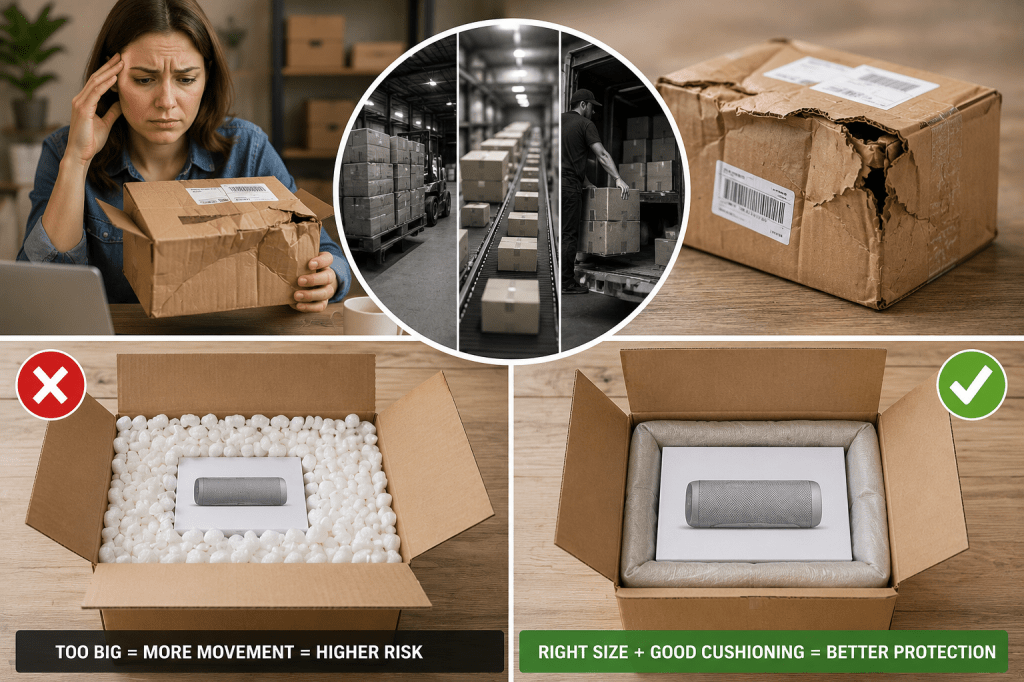
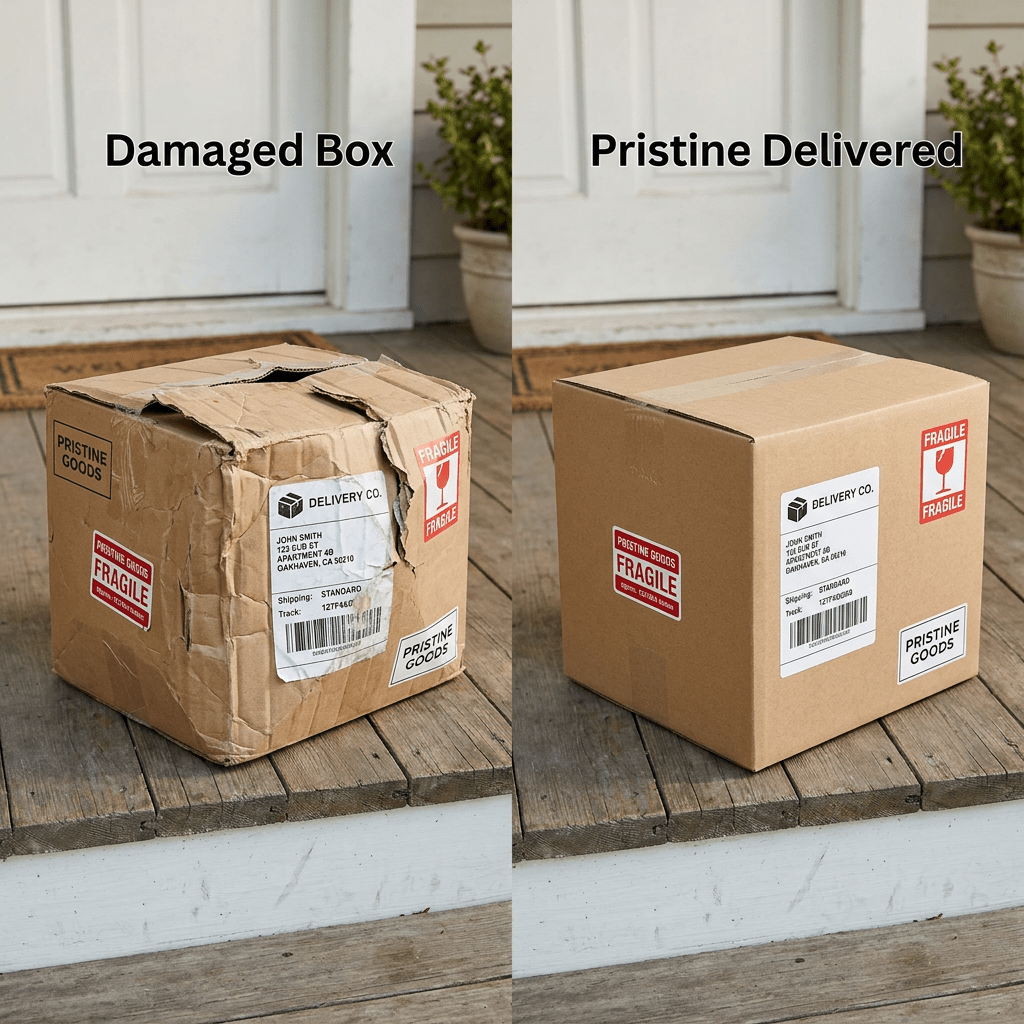
There are few things more frustrating for a business than hearing a customer say, “My order arrived damaged.” Sometimes the product inside can still work perfectly, but once the shipping box looks crushed or torn, the customer already feels disappointed. That first impression matters more than many companies expect.
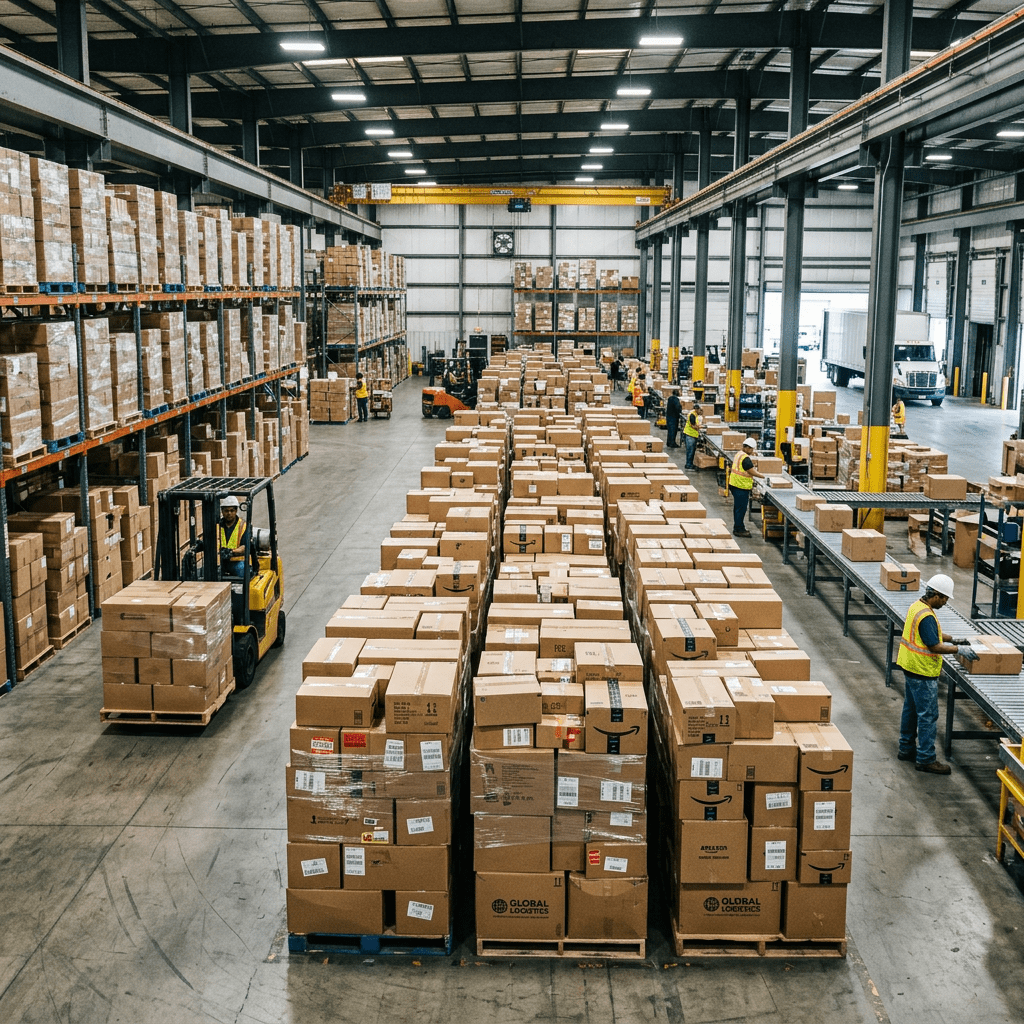
A lot of businesses ask how to choose shipping boxes that actually protect products during delivery. The answer starts with understanding how rough shipping really is. Packages are stacked, tossed onto belts, loaded into trucks, and moved through warehouses all day long. A weak box may not survive that kind of pressure for very long.
Another common question is whether bigger boxes offer better protection. Surprisingly, that is often not true. Large shipping boxes create extra empty space, which allows products to shift around while traveling. A properly sized box with good cushioning usually protects items much better than an oversized carton stuffed with loose filler.
Heavy products create another challenge. Books, canned goods, tools, and glass items often need stronger corrugated shipping boxes because thinner cardboard may buckle under the weight. Some businesses learn this lesson after the bottom of a package gives out halfway through delivery.
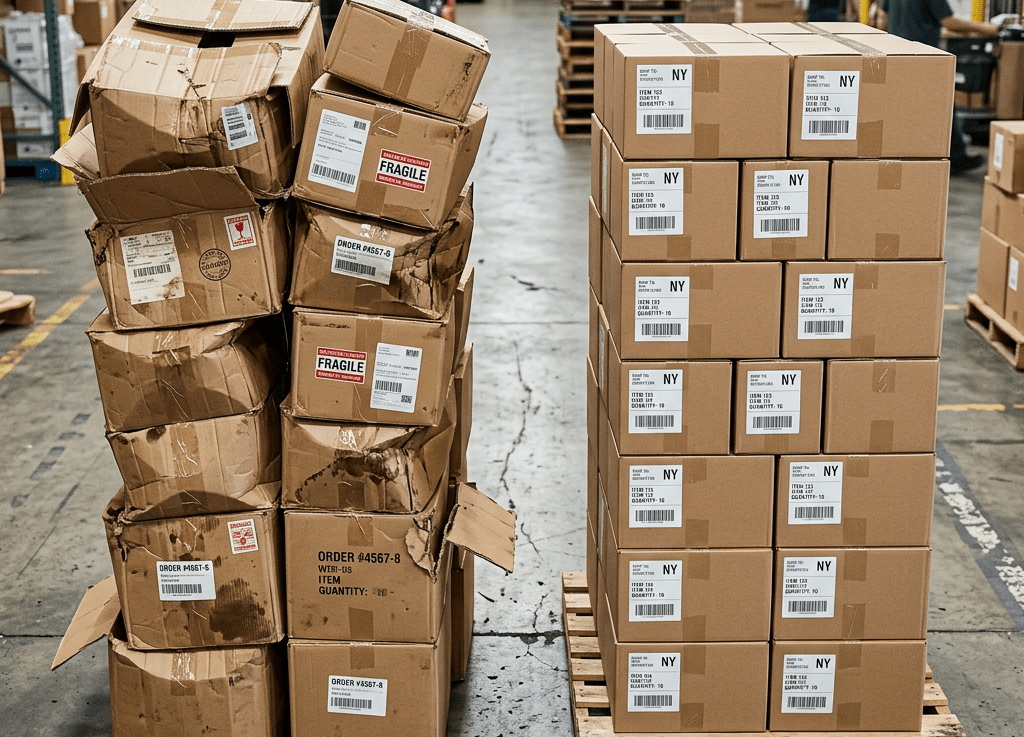
Many companies also wonder why certain boxes collapse during stacking. Shipping warehouses often place heavy cartons on top of lighter ones during transport. Stronger box construction helps prevent crushing and keeps products safer during long trips.
Customers notice packaging quality immediately too. Somebody receiving a clean sturdy box feels more confident about the order inside. On the other hand, a beat-up package with ripped corners creates doubt before the customer even opens it. Good shipping boxes quietly help businesses look more reliable and professional.
Another thing businesses ask is how to lower shipping costs without risking product damage. One helpful step is choosing shipping boxes that fit the product correctly. Carriers often charge based on size and weight, so oversized cartons can increase costs quickly. Better-sized packaging usually reduces waste and keeps shipping more efficient.
Some business owners also ask whether branded shipping boxes are worth using. Printed logos and custom packaging may help customers remember the business, especially for online stores. Still, reliable protection matters much more than flashy designs. Customers mainly want their order to arrive safely and in good condition.
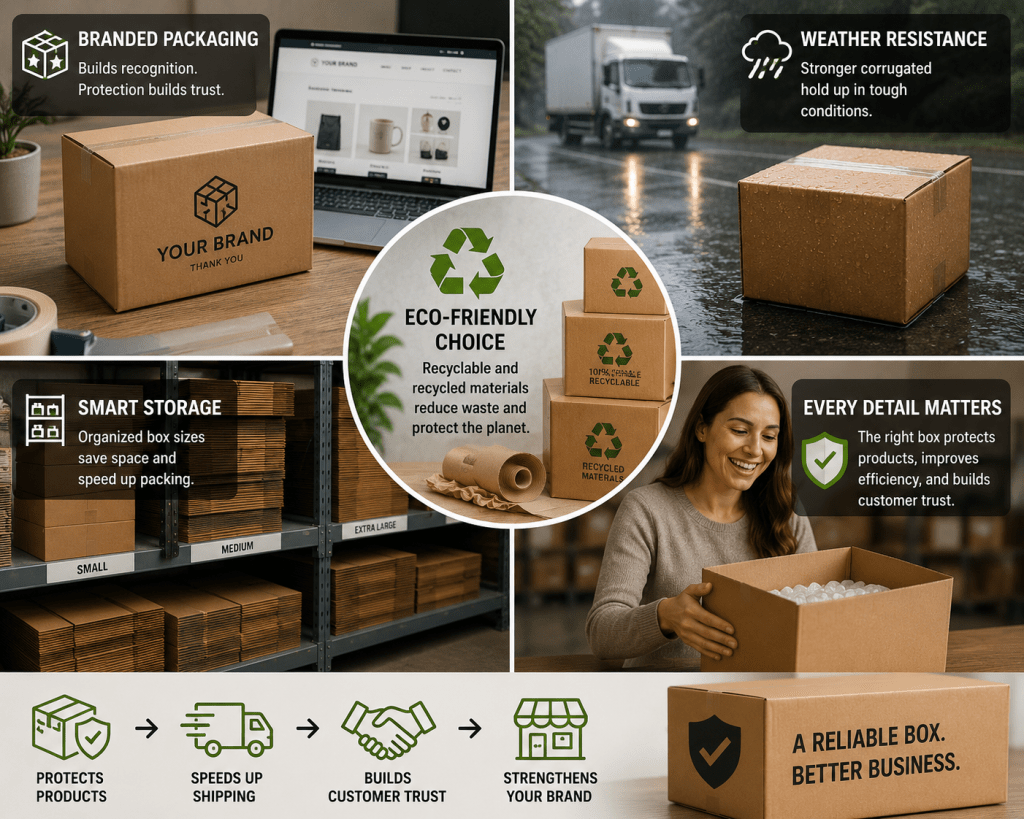
Weather can create problems for shipping boxes too. Rain and humidity weaken poor-quality cardboard much faster than many people realize. Businesses shipping across long distances often use stronger corrugated materials because they hold up better during rough conditions.
Eco-friendly packaging is becoming more important as well. Many buyers now prefer recyclable shipping boxes because they create less waste at home. Recycled cardboard options are growing in popularity because they balance durability with environmental concerns.
Another challenge businesses face is storage. Shipping boxes take up a surprising amount of space when warehouses become busy. Organizing box sizes properly helps workers pack faster and keeps shipping stations from turning into cluttered messes.
Shipping boxes may seem simple, but they affect product safety, shipping speed, customer trust, and business reputation every day. A dependable box helps orders arrive looking professional while reducing stress for both businesses and customers throughout the shipping process.
 Proper Nestification