Tag: marketing

Weak Boxes Create Headaches

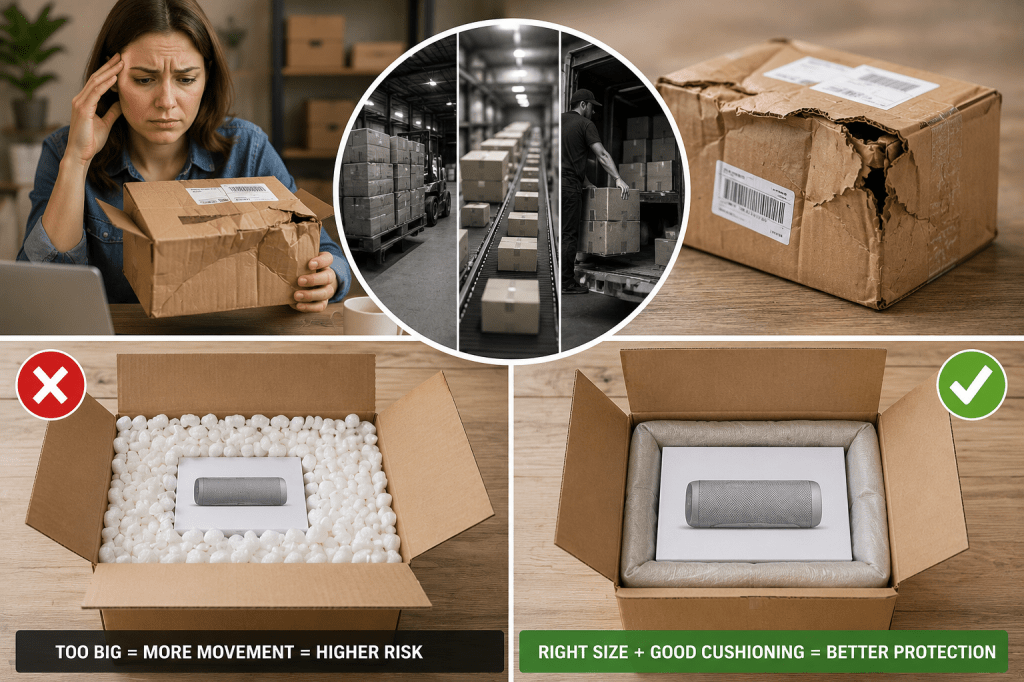
There are few things more frustrating for a business than hearing a customer say, “My order arrived damaged.” Sometimes the product inside can still work perfectly, but once the shipping box looks crushed or torn, the customer already feels disappointed. That first impression matters more than many companies expect.

A lot of businesses ask how to choose shipping boxes that actually protect products during delivery. The answer starts with understanding how rough shipping really is. Packages are stacked, tossed onto belts, loaded into trucks, and moved through warehouses all day long. A weak box may not survive that kind of pressure for very long.

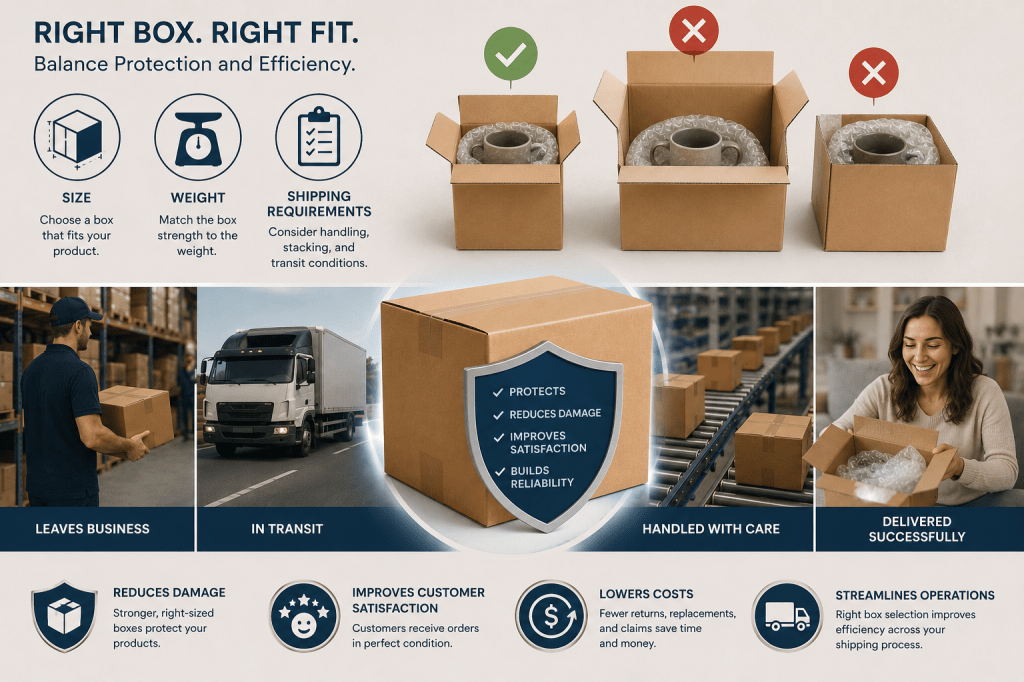
Another common question is whether bigger boxes offer better protection. Surprisingly, that is often not true. Large shipping boxes create extra empty space, which allows products to shift around while traveling. A properly sized box with good cushioning usually protects items much better than an oversized carton stuffed with loose filler.
Heavy products create another challenge. Books, canned goods, tools, and glass items often need stronger corrugated shipping boxes because thinner cardboard may buckle under the weight. Some businesses learn this lesson after the bottom of a package gives out halfway through delivery.

Many companies also wonder why certain boxes collapse during stacking. Shipping warehouses often place heavy cartons on top of lighter ones during transport. Stronger box construction helps prevent crushing and keeps products safer during long trips.

Customers notice packaging quality immediately too. Somebody receiving a clean sturdy box feels more confident about the order inside. On the other hand, a beat-up package with ripped corners creates doubt before the customer even opens it. Good shipping boxes quietly help businesses look more reliable and professional.

Another thing businesses ask is how to lower shipping costs without risking product damage. One helpful step is choosing shipping boxes that fit the product correctly. Carriers often charge based on size and weight, so oversized cartons can increase costs quickly. Better-sized packaging usually reduces waste and keeps shipping more efficient.

Some business owners also ask whether branded shipping boxes are worth using. Printed logos and custom packaging may help customers remember the business, especially for online stores. Still, reliable protection matters much more than flashy designs. Customers mainly want their order to arrive safely and in good condition.
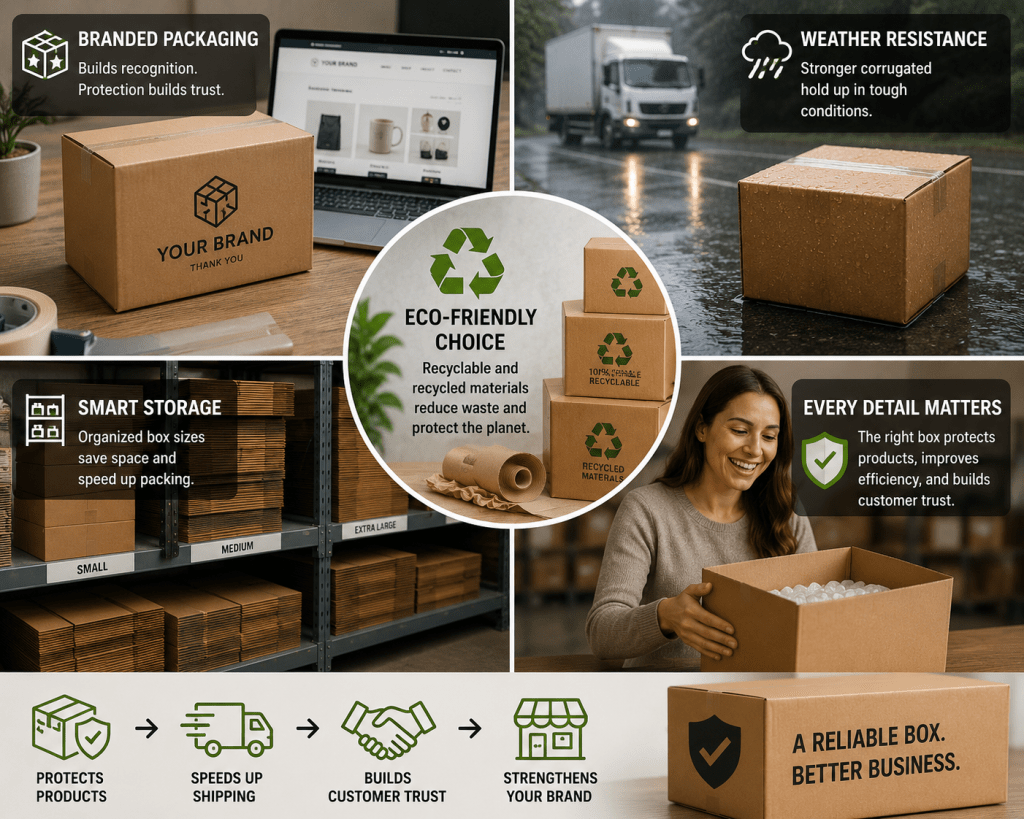
Weather can create problems for shipping boxes too. Rain and humidity weaken poor-quality cardboard much faster than many people realize. Businesses shipping across long distances often use stronger corrugated materials because they hold up better during rough conditions.

Eco-friendly packaging is becoming more important as well. Many buyers now prefer recyclable shipping boxes because they create less waste at home. Recycled cardboard options are growing in popularity because they balance durability with environmental concerns.

Another challenge businesses face is storage. Shipping boxes take up a surprising amount of space when warehouses become busy. Organizing box sizes properly helps workers pack faster and keeps shipping stations from turning into cluttered messes.

Shipping boxes may seem simple, but they affect product safety, shipping speed, customer trust, and business reputation every day. A dependable box helps orders arrive looking professional while reducing stress for both businesses and customers throughout the shipping process.
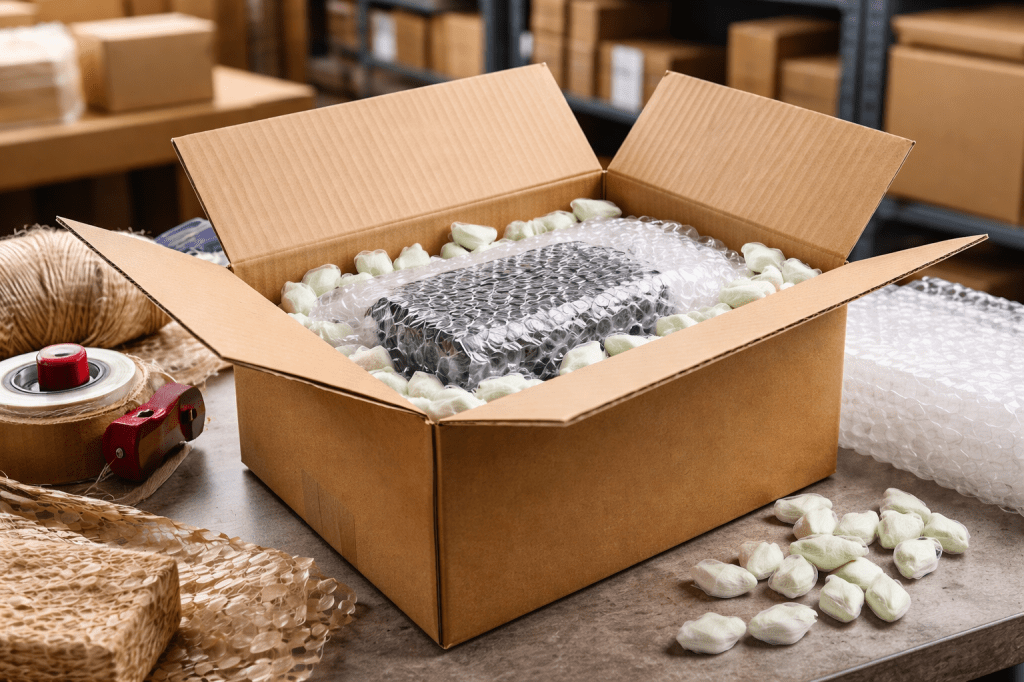
The Box That Protects Your Product… and Your Reputation

A lot of business owners don’t realize how closely their reputation is tied to something as simple as a shipping box. They think their product speaks for itself once it arrives in the customer’s hands. But the truth is, the customer forms an opinion long before they ever see what’s inside. The moment they pick up the box—whether it feels strong or weak, clean or messy, tight or sloppy—shapes how they feel about your business. And those feelings stay with them long after the package is opened.

Picture a customer lifting a box that looks worn out before they even touch the tape. The corners are dented. The sides are bowed. The box feels soft in places where it should feel firm. Even if the product inside is safe, the customer’s trust is already shaken. They start wondering if something went wrong along the way. They brace themselves for disappointment. It’s not because they want to complain—it’s because the box told a story of stress, rough handling, and careless preparation.

Now imagine the opposite experience. The customer walks up to their porch and picks up a box that looks steady and clean. The cardboard feels firm. The seams are crisp. The tape is sealed tight with no peeling, wrinkling, or gaps. When they lift it, the weight feels centered. Nothing shifts or rolls around. Before the customer ever cuts the tape, they feel confident. They feel respected. They feel like they ordered from a company that takes its work seriously.

This difference doesn’t happen by accident. It happens because the business chose the right shipping boxes—boxes strong enough to survive the journey, boxes sized correctly for the product, boxes dependable enough to carry your reputation all the way to the customer’s door. When your team reaches for a box that actually matches the item they’re shipping, everything becomes easier. The product fits naturally. The padding stays where it belongs. The tape holds cleanly. There’s no tension or guessing or hoping the box will make it through the process.

During transport, a strong box protects more than just the item inside. It protects your brand. It carries your business name through stacked trucks, conveyor belts, delivery vans, and rough weather. Every bump it survives is one less customer service call you’ll have to answer. Every corner it keeps intact is a moment of professionalism the customer will notice—even if they don’t say anything aloud.

But the benefits don’t end with the customer’s experience. Using the right shipping boxes also makes your internal operation smoother. Your team doesn’t have to waste time reinforcing weak cartons or trying to force products into boxes that don’t fit. They don’t have to add triple layers of tape or mountains of filler just to feel safe. Packing becomes a steady rhythm instead of a stressful guessing game. This kind of flow saves time, energy, and money every single day.

There’s also a practical advantage to using boxes made from recycled or responsibly sourced materials. Stronger recycled boards today perform just as well—sometimes better—than older materials. They help reduce waste, limit returns, and show customers that you take stewardship seriously without making a big show out of it. It’s a simple, quiet way to run a smarter operation.

When customers open a package and find their product in perfect shape, they feel something powerful: relief. Relief that everything went right. Relief that their money was well spent. Relief that they can trust your business. That relief turns into repeat orders, referrals, and long-term loyalty.

A shipping box may seem like a small part of your business, but it carries a big responsibility. It protects your product, your profit, and most importantly, your reputation. When the box does its job well, the customer sees your business the way you hope they will—steady, thoughtful, and trustworthy from the very first moment they pick it up.

Most Boxes Fail Here

Most Boxes Fail Here

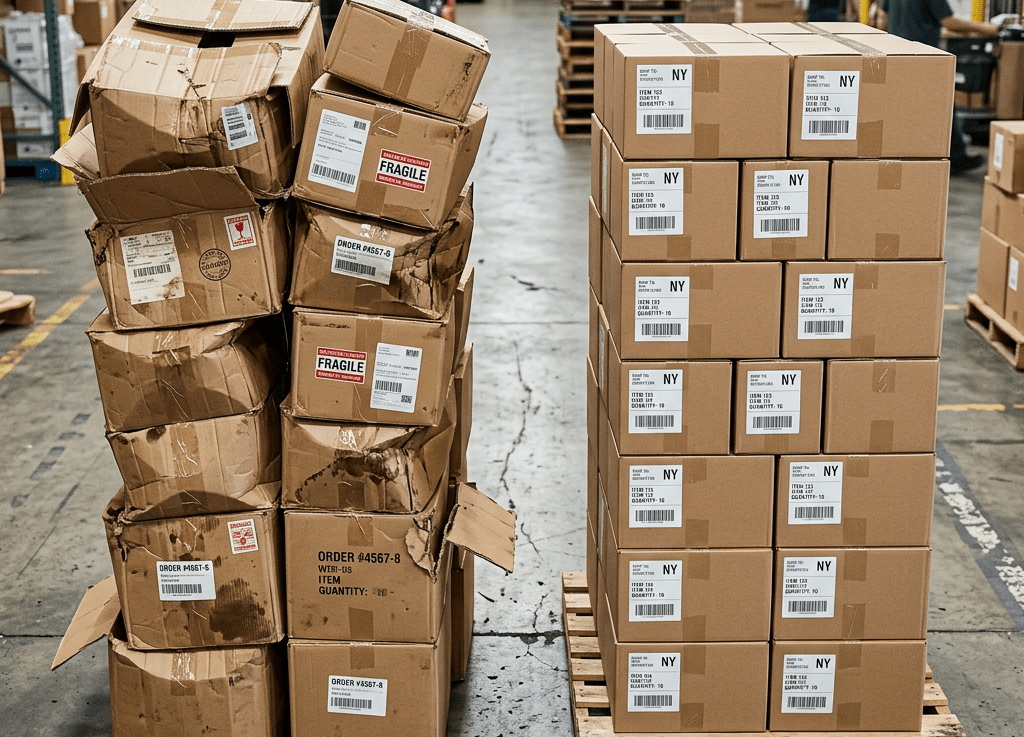
A shipping box is only as strong as the weakest link in its chain. In most cases, the toughest challenge the shipping box will face is not on route to the consumer’s home; but rather before the delivery truck even reaches the consumers’ neighborhood. Shipping boxes are frequently stacked, pushed, pulled, sorted and manipulated. This is why selecting a suitable shipping box is so important.

Typically, there are two questions business owner’s ask. First, how can I minimize damage to my shipments? Second, what shipping box should I use?

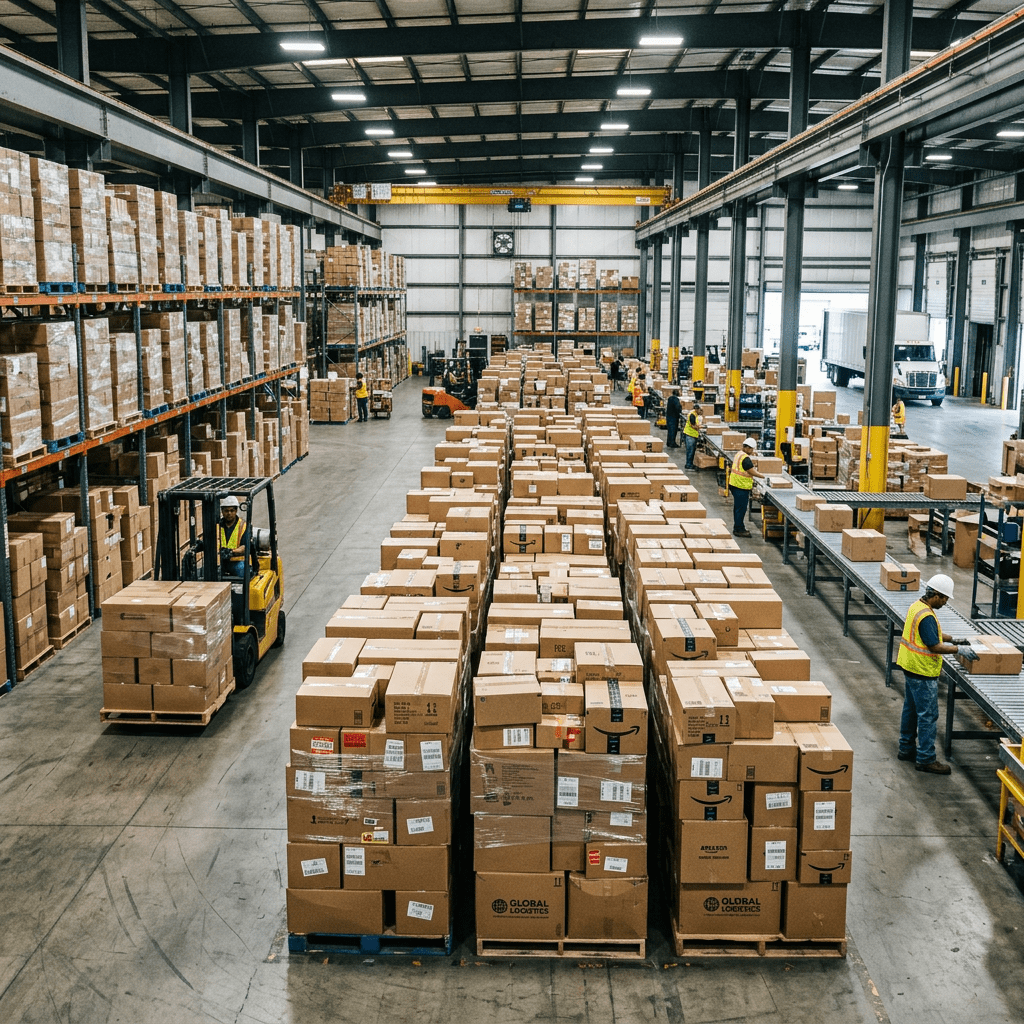
Workers in safety vests and hard hats sorting packages on conveyors and forklifts moving pallets of boxes in a spacious warehouse
Workers and forklifts organizing packages in a large warehouse

Firstly, let us review the shipping box. Is the thickness of the walls adequate? Is the size of the box proper? These factors could determine if your product will be damaged prior to reaching its final destination.

Now imagine you take a large item and put it into a weaker box. At first all appears to be normal. However, then you add another package on top of it during shipping. The lower box begins to warp, the sides begin to arch, and now your product is experiencing far more stress than it was originally designed to handle. Using a sturdier shipping box may help avoid these problems before they occur.

Secondly, does each product require the same type of shipping box? The answer is no. Each product requires a unique shipping box based upon the weight and density of the product. Selecting the proper shipping box for each shipment provides optimal protection to the products contained within the shipment while minimizing additional shipping expenses.

In addition, having multiple box sizes available can also aid in expediting your packing process. Employees who do not have to struggle fitting items into smaller boxes or filling larger boxes with excessive packaging material can complete orders faster and with fewer errors. Even minor reductions in labor hours can result in significant time savings during the day.

Furthermore, many shipping boxes today contain recycled materials which allows you to continue making environmentally conscious decisions without sacrificing strength or durability. Your customers will perceive your company in a positive light when they see you attempting to reduce unnecessary waste while still protecting their products.

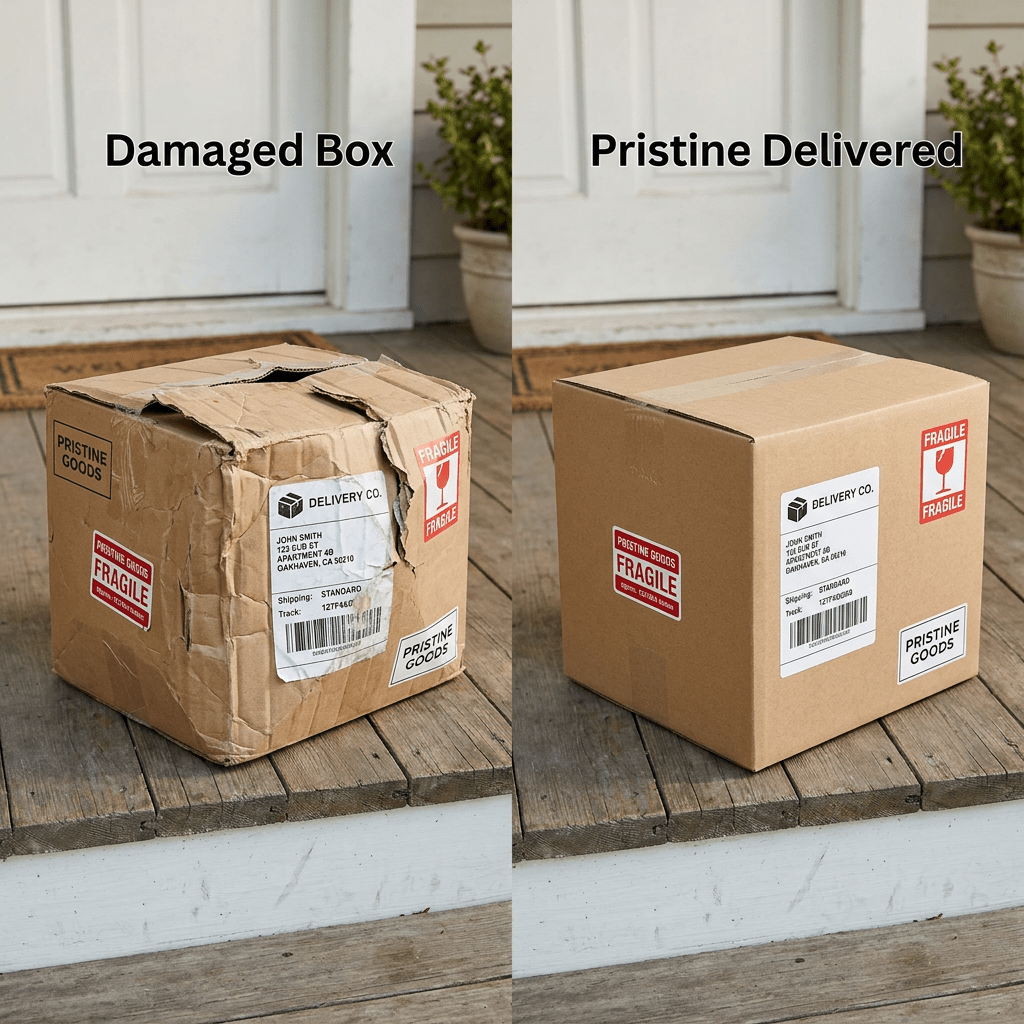
Comparison of a crushed damaged cardboard box and a pristine, undamaged delivery box on a wooden porch
Side-by-side view of a severely damaged box and a pristine, undamaged delivery box.

Each and every shipment communicates some aspect of your business to your customers. A crushed box or damaged product conveys one message. A neat package that arrived undamaged conveys a vastly different message. When your product arrives as anticipated your customers know that they can expect to receive quality products from you.

In conclusion, the appropriate shipping box will provide much more than just protection to the contents of the shipment. It will protect your image and credibility; help maintain a controlled cost structure; and create an added level of confidence for your customers when they decide to purchase from you again.

The Box Does More

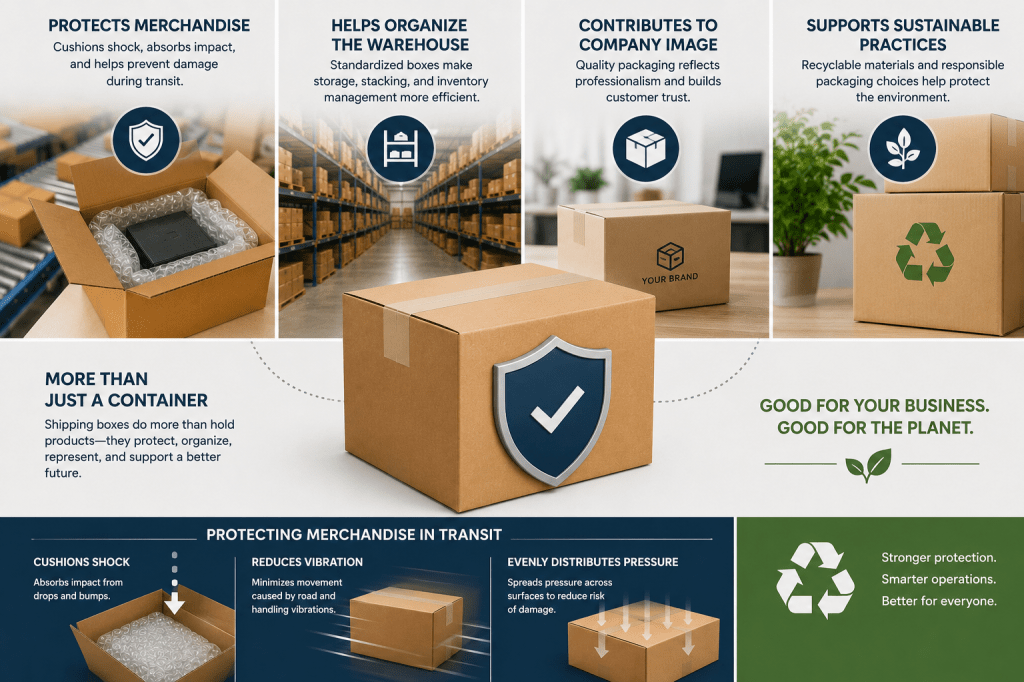
In addition to serving as a container, a shipping box protects merchandise during transit; helps organize the warehouse; contributes to the image of a company; and supports sustainable practices.

In terms of protecting merchandise, shipping boxes help cushion shock from falls, vibrations and other pressures that occur during transit. In addition, a good shipping box will help to evenly distribute pressure on a product.

The cost of using a particular type of shipping box is an important factor when deciding which types of boxes to buy. However, there are times when the cost savings realized from preventing merchandise loss outweighs the increased costs of purchasing higher-quality shipping boxes.

Whether or not to offer different types of shipping boxes to fit the various needs of your customers is another decision you need to consider. If your customers have very diverse products, then it would be wise to invest in a large number of different sized shipping boxes. On the other hand, if all of your products fit into a few standard size boxes, then you could potentially cut down on your shipping box expenses by limiting your purchases to just a few different sizes.

Finally, when selecting a shipping box, remember to choose a box made out of recyclable material. Your customers may look favorably upon companies that demonstrate concern for the environment. Using recyclable shipping boxes can contribute to your company’s sustainability efforts.

Overall, the role of shipping boxes in delivering packages goes far beyond being simply a way to pack items safely. By offering high-quality shipping boxes that are designed to handle a variety of conditions that might arise during delivery, your company can enhance its reputation for reliability and customer service. In addition, buying shipping boxes in bulk can help you save money and streamline your packaging processes. These benefits combined make shipping boxes a vital part of the packaging process.

Because so many aspects of the delivery process depend on how well each component works together, shipping boxes play a crucial part in ensuring a safe and efficient experience for both the consumer and the merchant. When businesses fully comprehend the roles that shipping boxes serve (i.e., protecting merchandise during delivery, organizing the warehouse, creating a favorable impression among consumers and contributing to environmentally friendly practices) they are better able to make informed packaging-related decisions that result in increased operational efficiencies and enhanced levels of customer satisfaction.