Tag: e-commerce

Stop Damaged Shipments

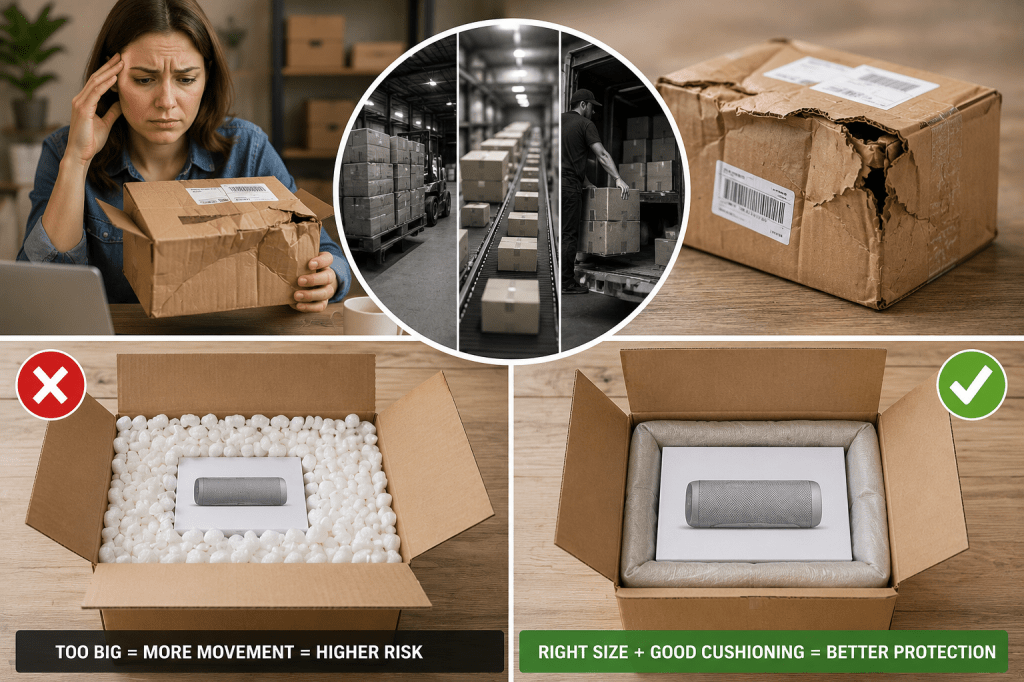
Few things frustrate a business owner more than hearing that a product arrived damaged. The item left the warehouse in perfect condition, yet by the time it reached the customer it was bent, cracked, or scratched. Many times, the product itself is not the problem. The real issue is the shipping box that carried it.

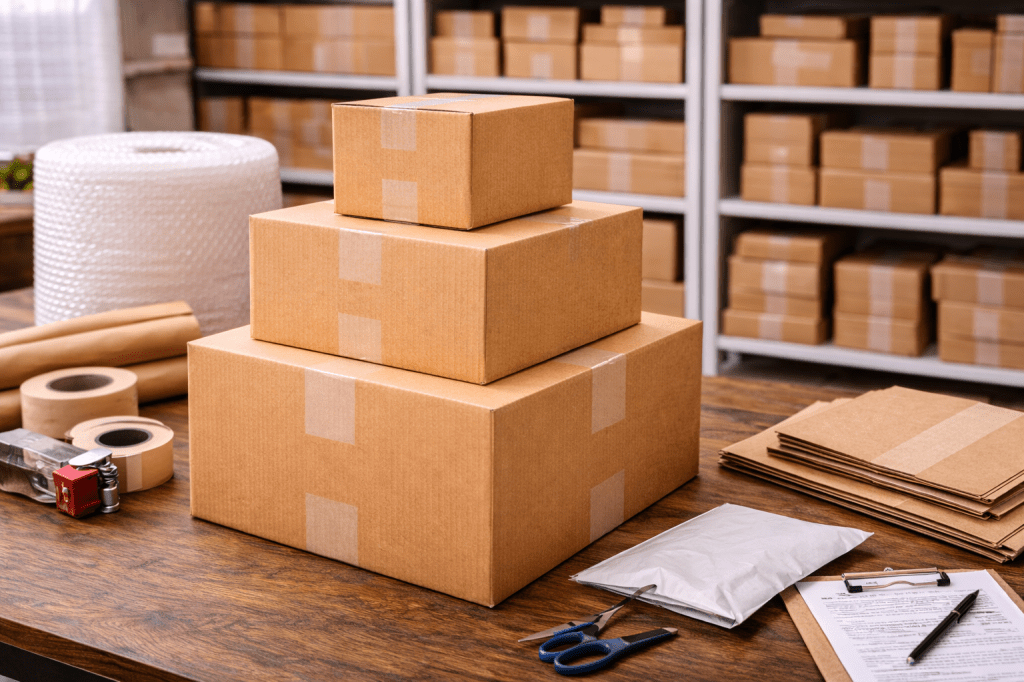
Shipping boxes are more than simple containers. They act as the outer shield for the product during its entire journey. Packages travel through busy sorting centers, slide across conveyor belts, and spend hours inside delivery trucks. During this process they may be stacked under other packages or moved quickly from one place to another. Without strong shipping boxes, the items inside can experience a surprising amount of pressure and movement.

A common question business ask is how shipping boxes help prevent damaged deliveries. The answer begins with strength. Corrugated shipping boxes are designed to handle the bumps and weight that happen during shipping. Their layered structure adds durability without making the box too heavy. This balance of strength and light weight makes corrugated boxes one of the most widely used packaging solutions.

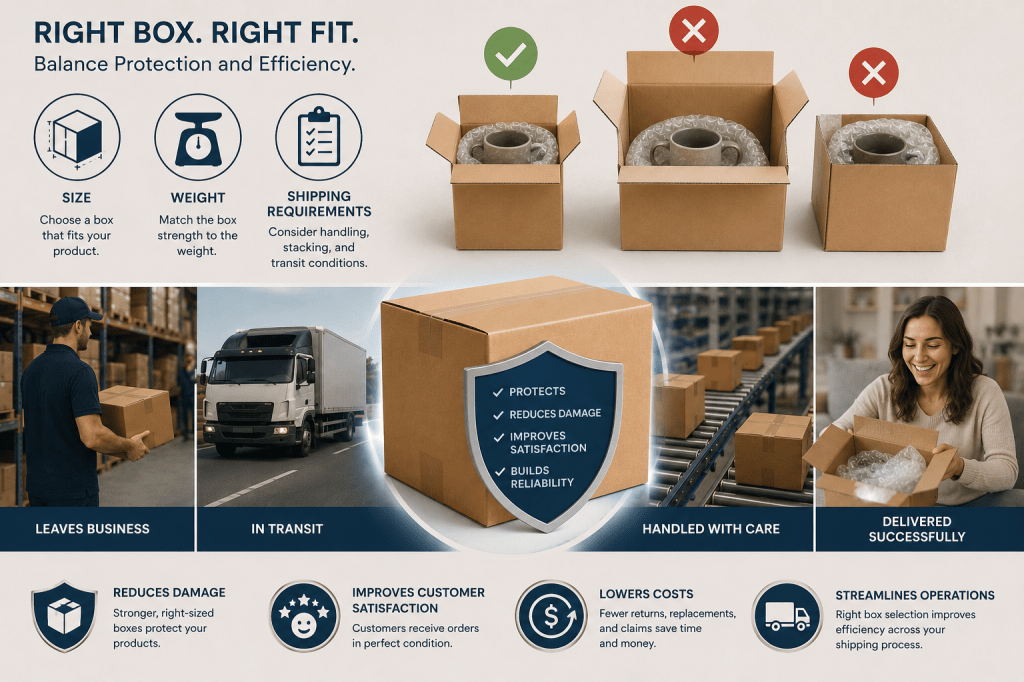
Another important factor is how the box fits the product. When an item has too much empty space inside the box, it can slide during transit. Each movement increases the chance that the item will strike the side of the box. Over time, repeated contact can lead to cracks or dents. A properly sized shipping box helps hold the product in place so it remains stable during the trip.

Many businesses also wonder how shipping boxes influence packing speed. When workers have access to the right box sizes, the packing process becomes much smoother. Instead of searching for a box that might fit, they can quickly choose the correct one. Orders move through the packing station more efficiently, helping businesses keep up with growing demand.

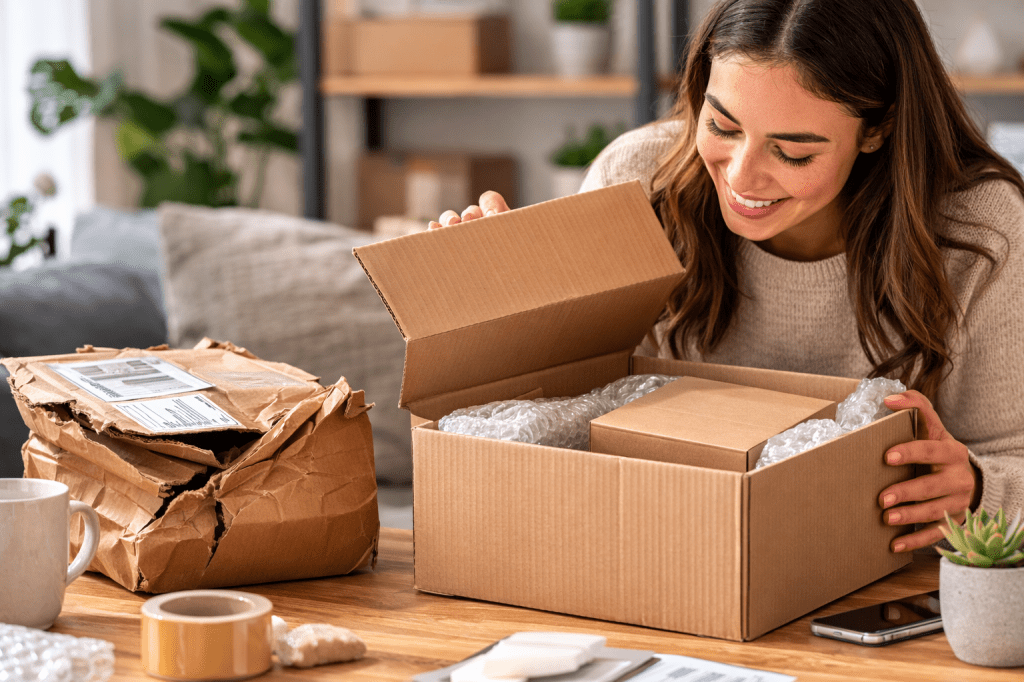
Shipping boxes also contribute to the customer’s first impression when a package arrives. Imagine receiving a box that feels weak or crushed before it is even opened. The experience can create worry about what might be inside. On the other hand, a strong shipping box that holds its shape signals that the contents were protected during transit. That feeling builds trust between the business and the buyer.
Another reason shipping boxes matter is their role in shipping costs. Carriers often calculate shipping rates based on both weight and size. Using boxes that match the product helps avoid paying for unused space. This practical approach allows businesses to control shipping expenses while still protecting their items.

Environmental responsibility is also becoming part of the conversation around shipping boxes. Many corrugated boxes are recyclable, which helps reduce waste after the package is opened. Customers often appreciate packaging that can be easily recycled rather than thrown away.

Understanding shipping boxes is an important step for any business that ships products. The box may seem like a simple part of the process, but it quietly protects each order during a journey that may involve many miles and several handling points.

When the right shipping boxes are chosen, products stay secure, packing becomes easier, and customers receive their orders exactly as expected. In the world of shipping, a dependable box can make the difference between a damaged delivery and a satisfied customer who looks forward to ordering again.
How Good Shipping Boxes Make Shipping Easier Every Day

Shipping problems often feel like they come from many places at once. Delays. Damage. Repacking. Customer complaints. In many cases, these issues trace back to one simple source: the shipping box.

When shipping boxes are chosen carefully and used consistently, daily operations become smoother. When they are not, small problems repeat themselves over and over.

Good shipping boxes quietly remove friction from the shipping process.

Shipping Boxes Reduce Decision Fatigue

Packing orders requires many small decisions. Which box to use. How much padding is needed. Whether the box feels strong enough.

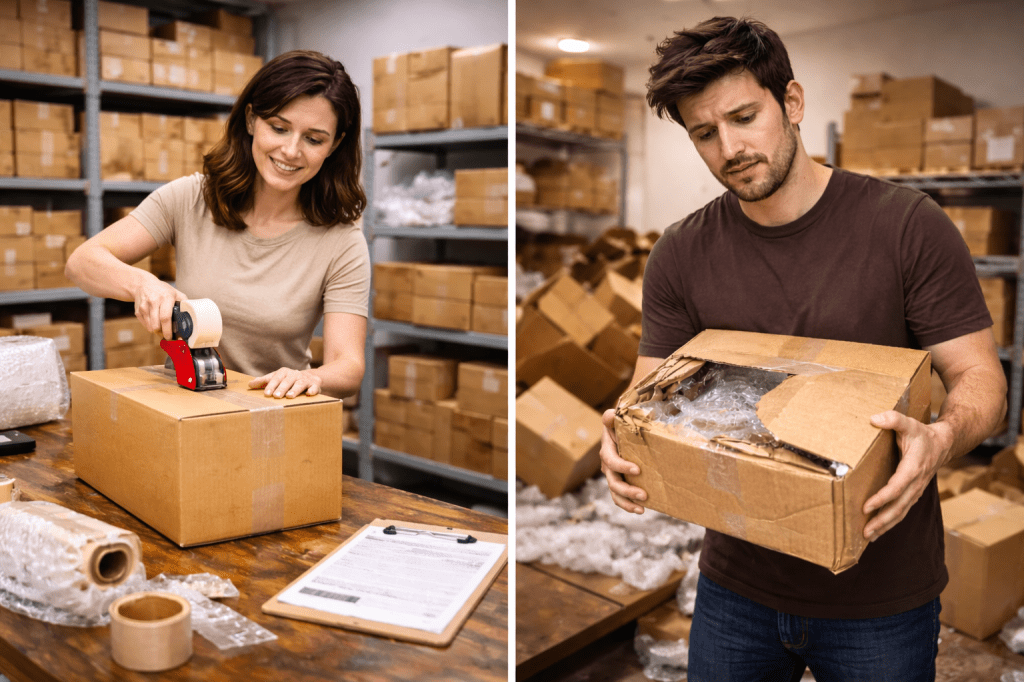
When shipping boxes vary in size, strength, or quality, employees must stop and reassess each order. This slows packing and increases the chance of mistakes.

Using standardized shipping boxes removes that guesswork. Employees know which box to grab and how it will perform. Packing becomes routine instead of uncertain.

Fewer decisions lead to faster, more consistent packing.

Faster Packing Without Cutting Corners

Good shipping boxes speed up packing without sacrificing protection.

Boxes that fold cleanly save time. Boxes that hold their shape do not need reinforcement. Boxes that fit the product well require less filler.

When boxes perform as expected, packing stations flow smoothly. Orders move through without pauses to fix issues or add extra materials.

This efficiency compounds across many orders, saving time throughout the day.

Shipping Boxes Help Prevent Rework

Repacking costs time and materials.

When a box feels weak or poorly sized, employees may reopen it to add more padding or switch boxes entirely. This rework slows fulfillment and increases waste.

Strong, right-sized shipping boxes reduce the need for repacking. Once an order is packed and sealed, it stays that way.

Preventing rework improves productivity and reduces frustration for packing teams.

Better Boxes Mean Fewer Interruptions

Damaged shipments interrupt normal operations.

Customer service must respond. Replacement orders must be packed. Inventory must be adjusted. Each interruption pulls attention away from new orders.

Reliable shipping boxes reduce damage rates. Fewer damaged shipments mean fewer interruptions and a more predictable workflow.

Over time, this stability improves overall efficiency and morale.

Consistency Supports Scaling

As order volume grows, small inefficiencies become larger problems.

Shipping boxes that work well at low volume may fail when shipments increase. Weak boxes collapse under heavier stacking. Inconsistent box choices slow packing as teams grow.

Using dependable shipping boxes creates a foundation that supports growth. The same boxes and packing methods can be used consistently as volume increases.

This makes scaling easier and less chaotic.

Shipping Boxes and Storage Efficiency

Shipping boxes also affect storage.

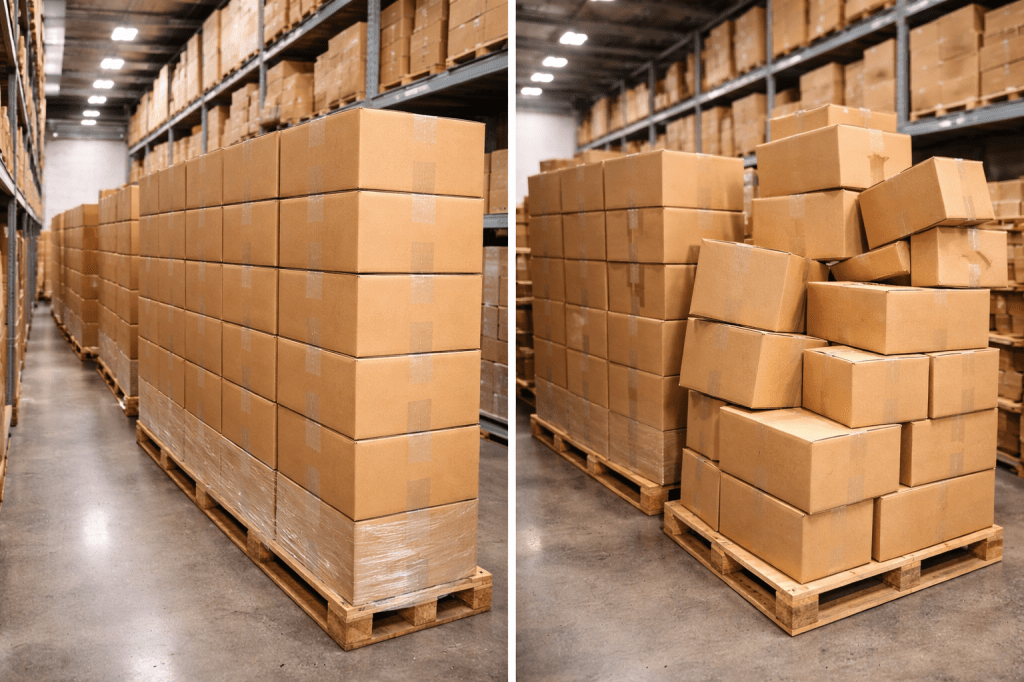
Boxes that stack properly make better use of warehouse space. Uniform box sizes create stable stacks and reduce the risk of collapse.

Inconsistent box shapes and strengths create uneven stacks that waste space and increase handling risk.

Well-chosen shipping boxes improve organization and safety in storage areas.

Customer Experience Benefits From Simplicity

Customers experience the results of good shipping boxes even if they never think about them.

Orders arrive intact. Boxes open cleanly. Products look cared for. These details create a positive experience without drawing attention to the packaging itself.

Customers feel confident ordering again because the delivery experience was smooth and predictable.

Shipping Boxes as a Daily Tool

Shipping boxes are used every day, often hundreds of times.

Because they are so common, their impact is easy to overlook. But when shipping boxes perform reliably, they simplify many parts of the shipping process at once.

Good shipping boxes reduce decisions, speed up packing, prevent rework, and support consistent results. They make daily operations easier by quietly doing their job.

When shipping boxes work well, shipping becomes less stressful and more efficient from the first order to the last.

Weak Boxes Create Headaches

There are few things more frustrating for a business than hearing a customer say, “My order arrived damaged.” Sometimes the product inside can still work perfectly, but once the shipping box looks crushed or torn, the customer already feels disappointed. That first impression matters more than many companies expect.

A lot of businesses ask how to choose shipping boxes that actually protect products during delivery. The answer starts with understanding how rough shipping really is. Packages are stacked, tossed onto belts, loaded into trucks, and moved through warehouses all day long. A weak box may not survive that kind of pressure for very long.

Another common question is whether bigger boxes offer better protection. Surprisingly, that is often not true. Large shipping boxes create extra empty space, which allows products to shift around while traveling. A properly sized box with good cushioning usually protects items much better than an oversized carton stuffed with loose filler.

Heavy products create another challenge. Books, canned goods, tools, and glass items often need stronger corrugated shipping boxes because thinner cardboard may buckle under the weight. Some businesses learn this lesson after the bottom of a package gives out halfway through delivery.

Many companies also wonder why certain boxes collapse during stacking. Shipping warehouses often place heavy cartons on top of lighter ones during transport. Stronger box construction helps prevent crushing and keeps products safer during long trips.

Customers notice packaging quality immediately too. Somebody receiving a clean sturdy box feels more confident about the order inside. On the other hand, a beat-up package with ripped corners creates doubt before the customer even opens it. Good shipping boxes quietly help businesses look more reliable and professional.

Another thing businesses ask is how to lower shipping costs without risking product damage. One helpful step is choosing shipping boxes that fit the product correctly. Carriers often charge based on size and weight, so oversized cartons can increase costs quickly. Better-sized packaging usually reduces waste and keeps shipping more efficient.

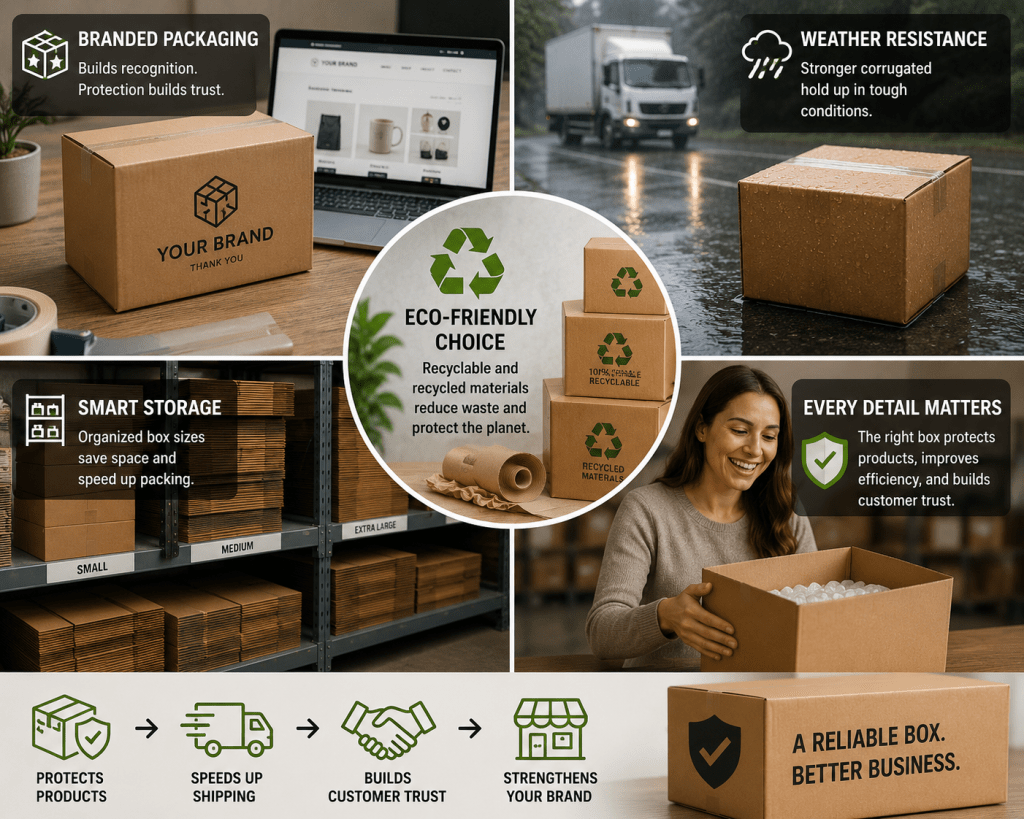
Some business owners also ask whether branded shipping boxes are worth using. Printed logos and custom packaging may help customers remember the business, especially for online stores. Still, reliable protection matters much more than flashy designs. Customers mainly want their order to arrive safely and in good condition.

Weather can create problems for shipping boxes too. Rain and humidity weaken poor-quality cardboard much faster than many people realize. Businesses shipping across long distances often use stronger corrugated materials because they hold up better during rough conditions.

Eco-friendly packaging is becoming more important as well. Many buyers now prefer recyclable shipping boxes because they create less waste at home. Recycled cardboard options are growing in popularity because they balance durability with environmental concerns.

Another challenge businesses face is storage. Shipping boxes take up a surprising amount of space when warehouses become busy. Organizing box sizes properly helps workers pack faster and keeps shipping stations from turning into cluttered messes.

Shipping boxes may seem simple, but they affect product safety, shipping speed, customer trust, and business reputation every day. A dependable box helps orders arrive looking professional while reducing stress for both businesses and customers throughout the shipping process.

Most Boxes Fail Here

Most Boxes Fail Here

A shipping box is only as strong as the weakest link in its chain. In most cases, the toughest challenge the shipping box will face is not on route to the consumer’s home; but rather before the delivery truck even reaches the consumers’ neighborhood. Shipping boxes are frequently stacked, pushed, pulled, sorted and manipulated. This is why selecting a suitable shipping box is so important.

Typically, there are two questions business owner’s ask. First, how can I minimize damage to my shipments? Second, what shipping box should I use?

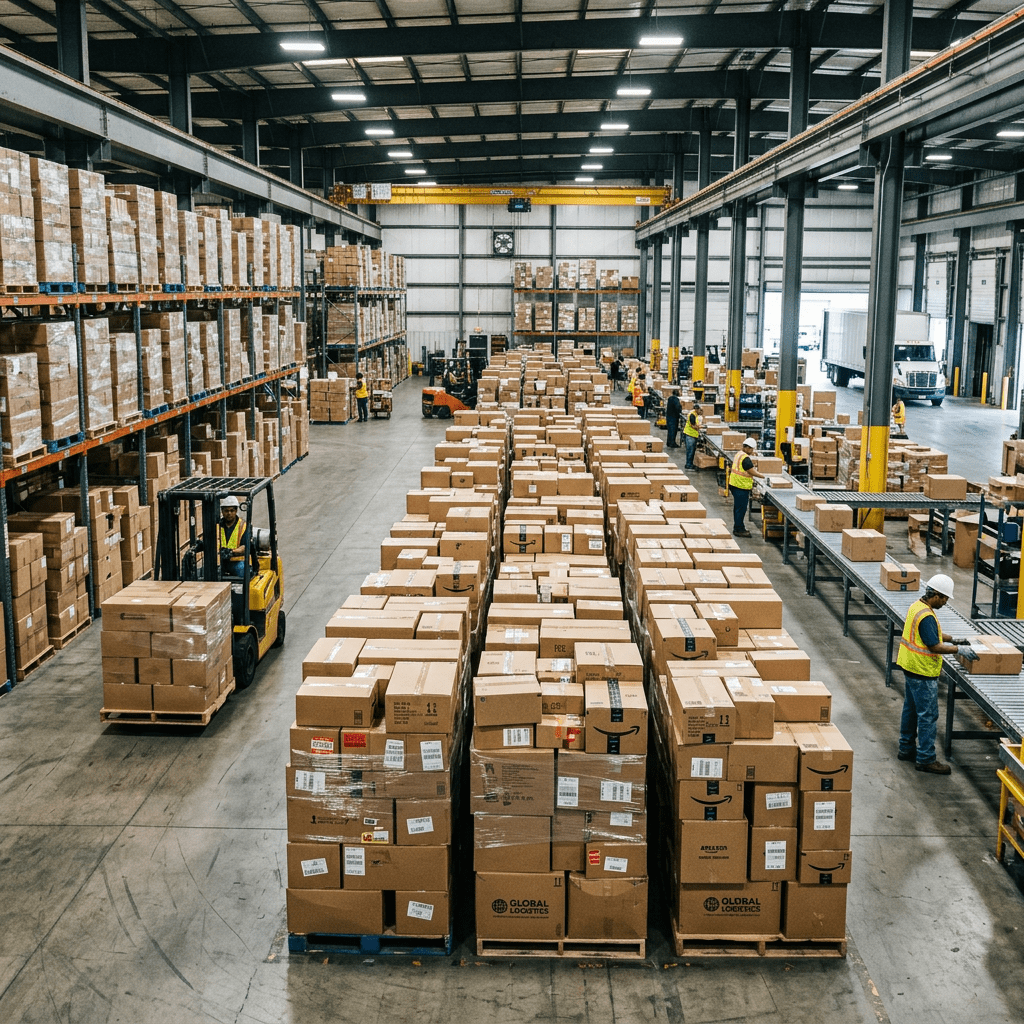
Workers in safety vests and hard hats sorting packages on conveyors and forklifts moving pallets of boxes in a spacious warehouse
Workers and forklifts organizing packages in a large warehouse

Firstly, let us review the shipping box. Is the thickness of the walls adequate? Is the size of the box proper? These factors could determine if your product will be damaged prior to reaching its final destination.

Now imagine you take a large item and put it into a weaker box. At first all appears to be normal. However, then you add another package on top of it during shipping. The lower box begins to warp, the sides begin to arch, and now your product is experiencing far more stress than it was originally designed to handle. Using a sturdier shipping box may help avoid these problems before they occur.

Secondly, does each product require the same type of shipping box? The answer is no. Each product requires a unique shipping box based upon the weight and density of the product. Selecting the proper shipping box for each shipment provides optimal protection to the products contained within the shipment while minimizing additional shipping expenses.

In addition, having multiple box sizes available can also aid in expediting your packing process. Employees who do not have to struggle fitting items into smaller boxes or filling larger boxes with excessive packaging material can complete orders faster and with fewer errors. Even minor reductions in labor hours can result in significant time savings during the day.

Furthermore, many shipping boxes today contain recycled materials which allows you to continue making environmentally conscious decisions without sacrificing strength or durability. Your customers will perceive your company in a positive light when they see you attempting to reduce unnecessary waste while still protecting their products.

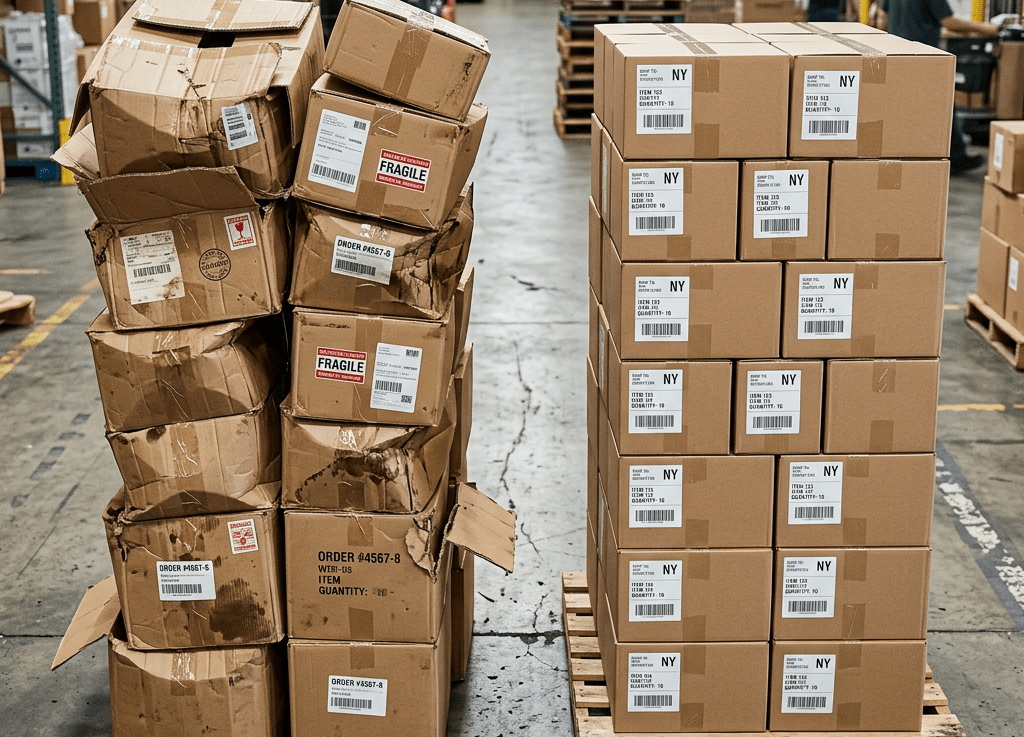
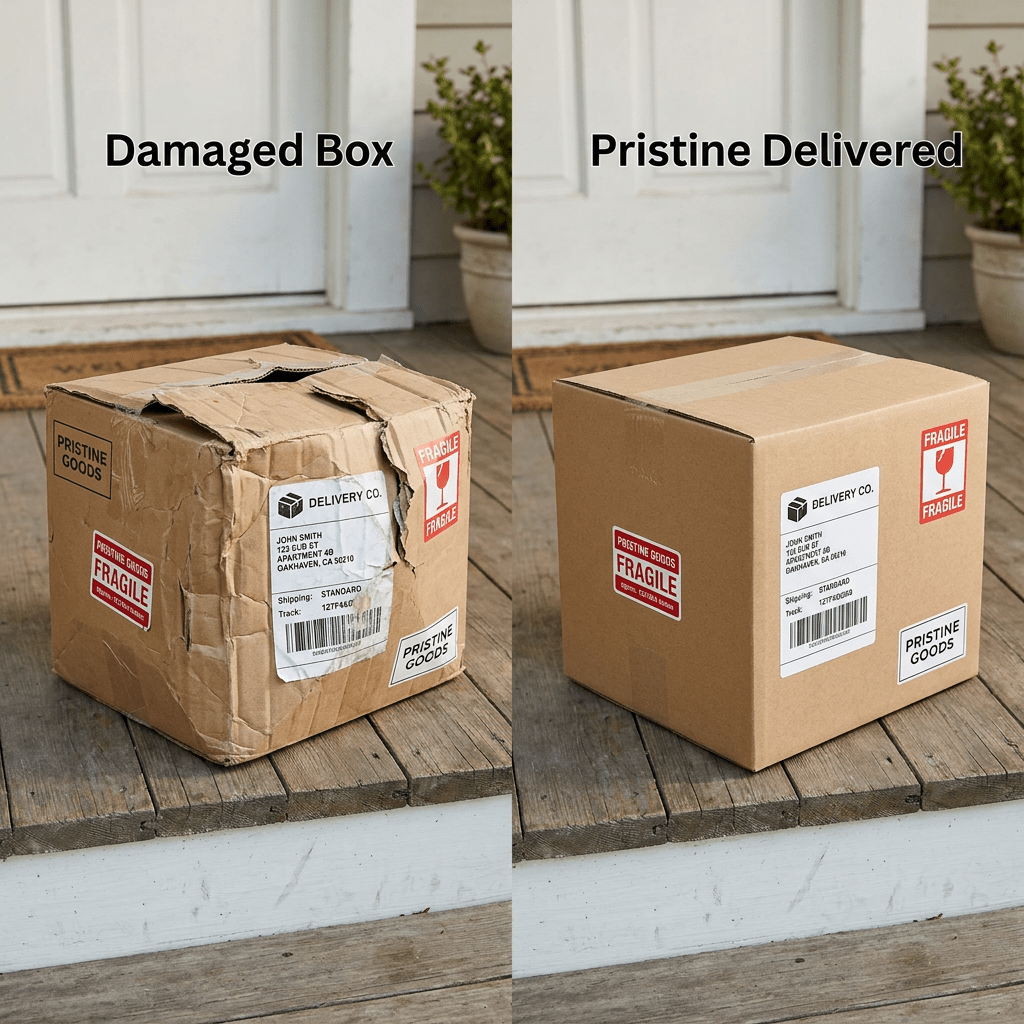
Comparison of a crushed damaged cardboard box and a pristine, undamaged delivery box on a wooden porch
Side-by-side view of a severely damaged box and a pristine, undamaged delivery box.

Each and every shipment communicates some aspect of your business to your customers. A crushed box or damaged product conveys one message. A neat package that arrived undamaged conveys a vastly different message. When your product arrives as anticipated your customers know that they can expect to receive quality products from you.

In conclusion, the appropriate shipping box will provide much more than just protection to the contents of the shipment. It will protect your image and credibility; help maintain a controlled cost structure; and create an added level of confidence for your customers when they decide to purchase from you again.

The Box Does More

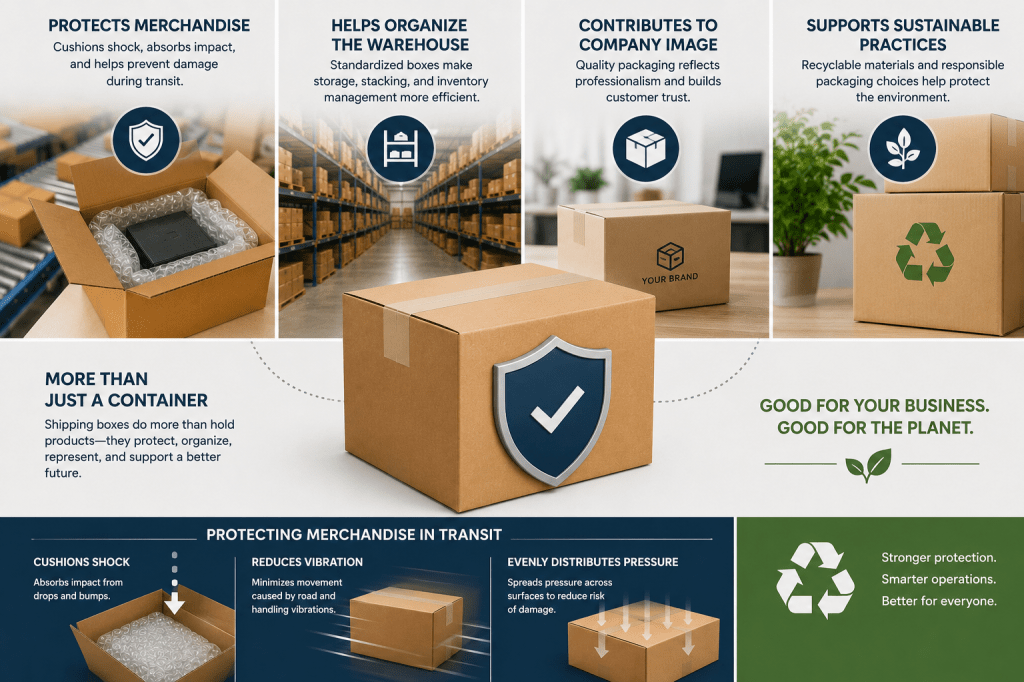
In addition to serving as a container, a shipping box protects merchandise during transit; helps organize the warehouse; contributes to the image of a company; and supports sustainable practices.

In terms of protecting merchandise, shipping boxes help cushion shock from falls, vibrations and other pressures that occur during transit. In addition, a good shipping box will help to evenly distribute pressure on a product.

The cost of using a particular type of shipping box is an important factor when deciding which types of boxes to buy. However, there are times when the cost savings realized from preventing merchandise loss outweighs the increased costs of purchasing higher-quality shipping boxes.

Whether or not to offer different types of shipping boxes to fit the various needs of your customers is another decision you need to consider. If your customers have very diverse products, then it would be wise to invest in a large number of different sized shipping boxes. On the other hand, if all of your products fit into a few standard size boxes, then you could potentially cut down on your shipping box expenses by limiting your purchases to just a few different sizes.

Finally, when selecting a shipping box, remember to choose a box made out of recyclable material. Your customers may look favorably upon companies that demonstrate concern for the environment. Using recyclable shipping boxes can contribute to your company’s sustainability efforts.

Overall, the role of shipping boxes in delivering packages goes far beyond being simply a way to pack items safely. By offering high-quality shipping boxes that are designed to handle a variety of conditions that might arise during delivery, your company can enhance its reputation for reliability and customer service. In addition, buying shipping boxes in bulk can help you save money and streamline your packaging processes. These benefits combined make shipping boxes a vital part of the packaging process.

Because so many aspects of the delivery process depend on how well each component works together, shipping boxes play a crucial part in ensuring a safe and efficient experience for both the consumer and the merchant. When businesses fully comprehend the roles that shipping boxes serve (i.e., protecting merchandise during delivery, organizing the warehouse, creating a favorable impression among consumers and contributing to environmentally friendly practices) they are better able to make informed packaging-related decisions that result in increased operational efficiencies and enhanced levels of customer satisfaction.

Why Quality Shipping Supplies Matter More Than Most People Realize

Shipping supplies are one of the last things a customer sees but one of the first things a business depends on. They protect products, simplify the packing process, and support every step between a warehouse shelf and a customer’s doorstep. Without reliable supplies—boxes, tape, mailers, cushioning, labels, and bags—the entire shipping operation becomes slower, messier, and far more costly.

The value of quality shipping supplies begins with durability. A box with weak walls or poor strength can collapse under pressure. Tape that doesn’t stick can peel open during transit. Cushions that flatten too easily won’t protect against bumps and impacts. The shipping environment is rough, and good supplies are built for that reality. They absorb the motion, pressure, and unpredictable handling that packages face along the way. Every mile traveled increases the odds of damage, so the supplies must act as the product’s armor.

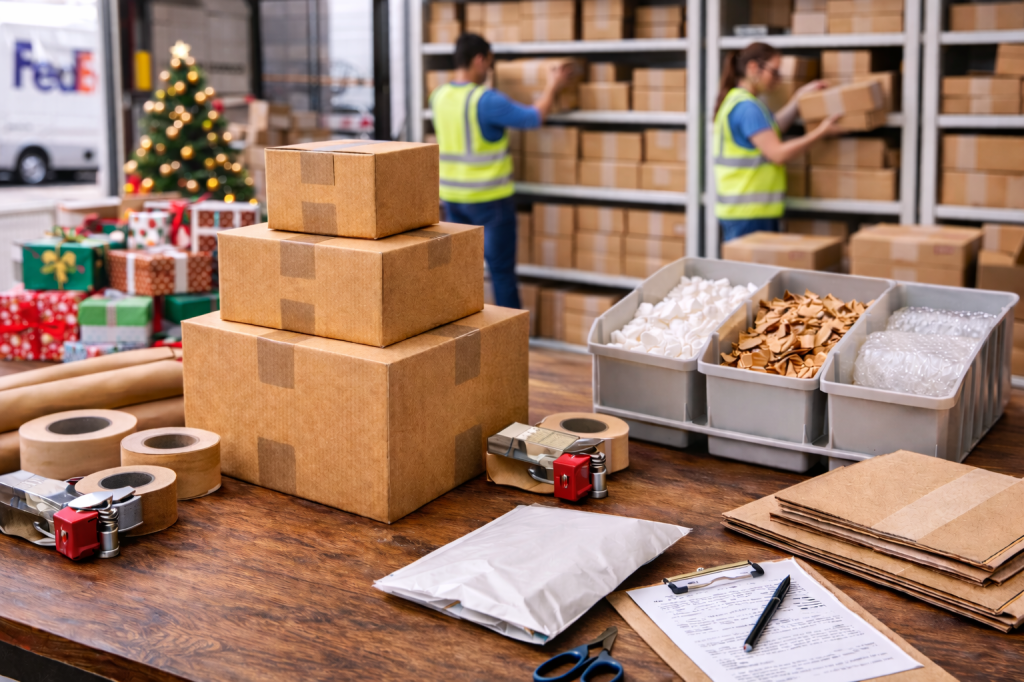
But durability is only one part of the story. Shipping supplies also affect efficiency. A well-organized packing station stocked with predictable supplies allows workers to move quickly. When they know exactly which box fits which item, how much cushioning is needed, and which materials seal best, errors drop dramatically. Fewer mistakes mean fewer returns, fewer delays, and a smoother workflow. Workers aren’t improvising—they’re following a reliable system.

That system is what keeps shipping operations from breaking down during busy seasons. Holidays, sales events, and peak buying times all place pressure on fulfillment teams. When orders pile up, speed matters. Packaging supplies that perform consistently help teams handle high volume without sacrificing accuracy. Good tape sticks the first time. Boxes hold their shape under pressure. Mailers close securely without fuss. This reliability allows businesses to scale smoothly.

Shipping supplies also shape customer perception in powerful ways. A customer doesn’t see the warehouse or the packing station, but they see the result: the box or mailer that arrives at their home. A neat, well-packed shipment tells them the business cares. Items stay organized. Nothing is loose or rattling. The packaging fits properly, not oversized or sloppy. This simple experience builds trust and makes the customer more likely to buy again.

On the other hand, poor packaging sends a negative message immediately. A flimsy box, crooked tape, or damaged item can undo a customer’s confidence in seconds. Even if the product is fine, the carelessness in presentation can leave a bad impression. Shipping supplies are part of the brand experience—even if customers don’t consciously think of them that way.

Costs play a major role, too. Using higher-quality supplies may seem more expensive upfront, but the return on investment is significant. Stronger materials prevent damage, which means fewer replacements and refunds. Better sealing supplies prevent packages from opening mid-transit, reducing loss. Consistent sizing reduces shipping waste and helps control postage costs. Over time, these savings add up.

Shipping supplies also serve everyday needs outside of business. Families use them when mailing gifts, returning items, or packing belongings for a move. A good roll of tape or a strong box can make the difference between a smooth task and a frustrating one. Bubble mailers protect fragile pieces. Poly bags keep fabrics clean. Labels keep everything organized. The same tools that keep businesses running also help with simple tasks at home.

Branding has become another area where shipping supplies add value. Custom tape, stickers, or even printed labels can turn a basic box into a recognizable touchpoint. A customer might see the brand logo before they even open the package. This builds familiarity and strengthens the connection between business and customer.

In the end, shipping supplies are small tools with big responsibilities. They protect products, streamline workflows, shape customer impressions, and reduce operational stress. When chosen well, they make shipping faster, safer, and more professional. They’re the difference between a package that arrives with confidence—and one that arrives with problems.