Tag: ecommerce

Stop Damaged Shipments

Few things frustrate a business owner more than hearing that a product arrived damaged. The item left the warehouse in perfect condition, yet by the time it reached the customer it was bent, cracked, or scratched. Many times, the product itself is not the problem. The real issue is the shipping box that carried it.

Shipping boxes are more than simple containers. They act as the outer shield for the product during its entire journey. Packages travel through busy sorting centers, slide across conveyor belts, and spend hours inside delivery trucks. During this process they may be stacked under other packages or moved quickly from one place to another. Without strong shipping boxes, the items inside can experience a surprising amount of pressure and movement.

A common question business ask is how shipping boxes help prevent damaged deliveries. The answer begins with strength. Corrugated shipping boxes are designed to handle the bumps and weight that happen during shipping. Their layered structure adds durability without making the box too heavy. This balance of strength and light weight makes corrugated boxes one of the most widely used packaging solutions.

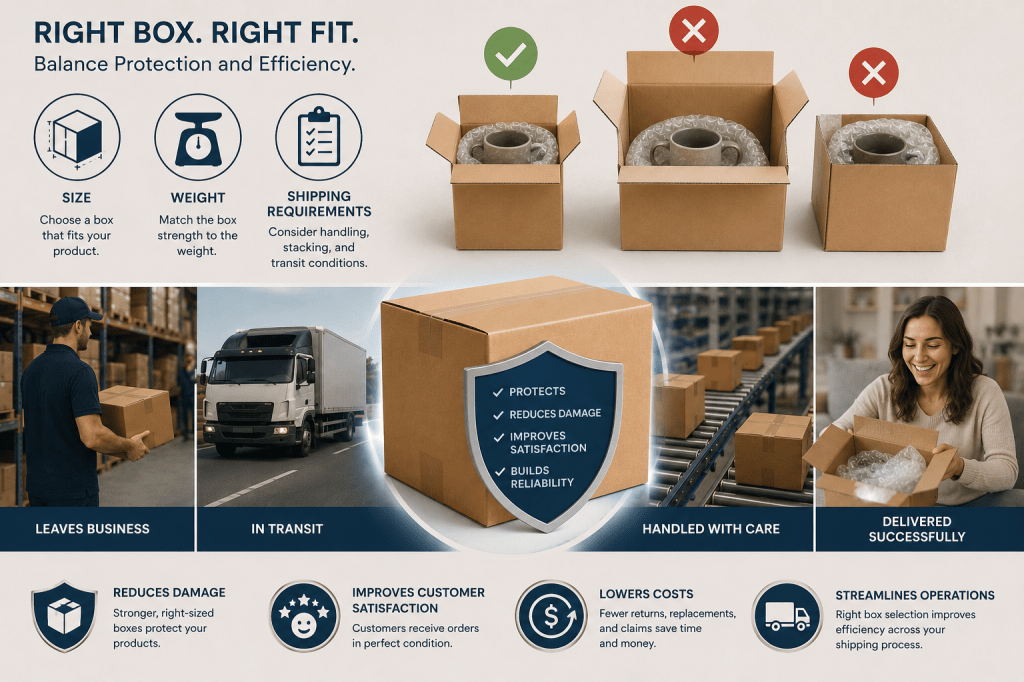
Another important factor is how the box fits the product. When an item has too much empty space inside the box, it can slide during transit. Each movement increases the chance that the item will strike the side of the box. Over time, repeated contact can lead to cracks or dents. A properly sized shipping box helps hold the product in place so it remains stable during the trip.

Many businesses also wonder how shipping boxes influence packing speed. When workers have access to the right box sizes, the packing process becomes much smoother. Instead of searching for a box that might fit, they can quickly choose the correct one. Orders move through the packing station more efficiently, helping businesses keep up with growing demand.

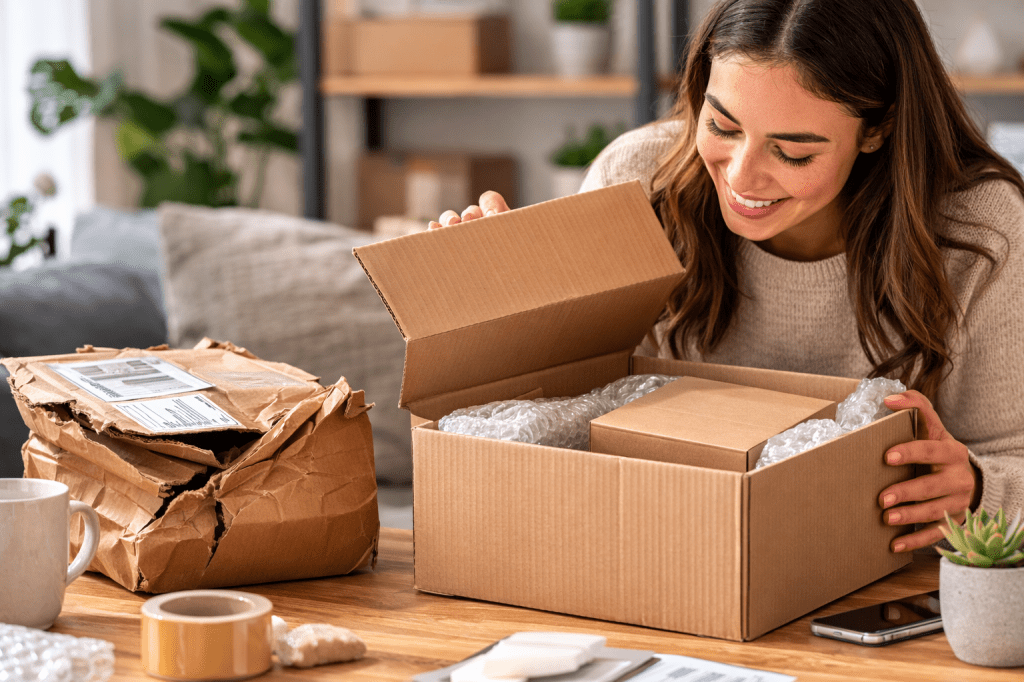
Shipping boxes also contribute to the customer’s first impression when a package arrives. Imagine receiving a box that feels weak or crushed before it is even opened. The experience can create worry about what might be inside. On the other hand, a strong shipping box that holds its shape signals that the contents were protected during transit. That feeling builds trust between the business and the buyer.
Another reason shipping boxes matter is their role in shipping costs. Carriers often calculate shipping rates based on both weight and size. Using boxes that match the product helps avoid paying for unused space. This practical approach allows businesses to control shipping expenses while still protecting their items.

Environmental responsibility is also becoming part of the conversation around shipping boxes. Many corrugated boxes are recyclable, which helps reduce waste after the package is opened. Customers often appreciate packaging that can be easily recycled rather than thrown away.

Understanding shipping boxes is an important step for any business that ships products. The box may seem like a simple part of the process, but it quietly protects each order during a journey that may involve many miles and several handling points.

When the right shipping boxes are chosen, products stay secure, packing becomes easier, and customers receive their orders exactly as expected. In the world of shipping, a dependable box can make the difference between a damaged delivery and a satisfied customer who looks forward to ordering again.
Weak Boxes Create Headaches

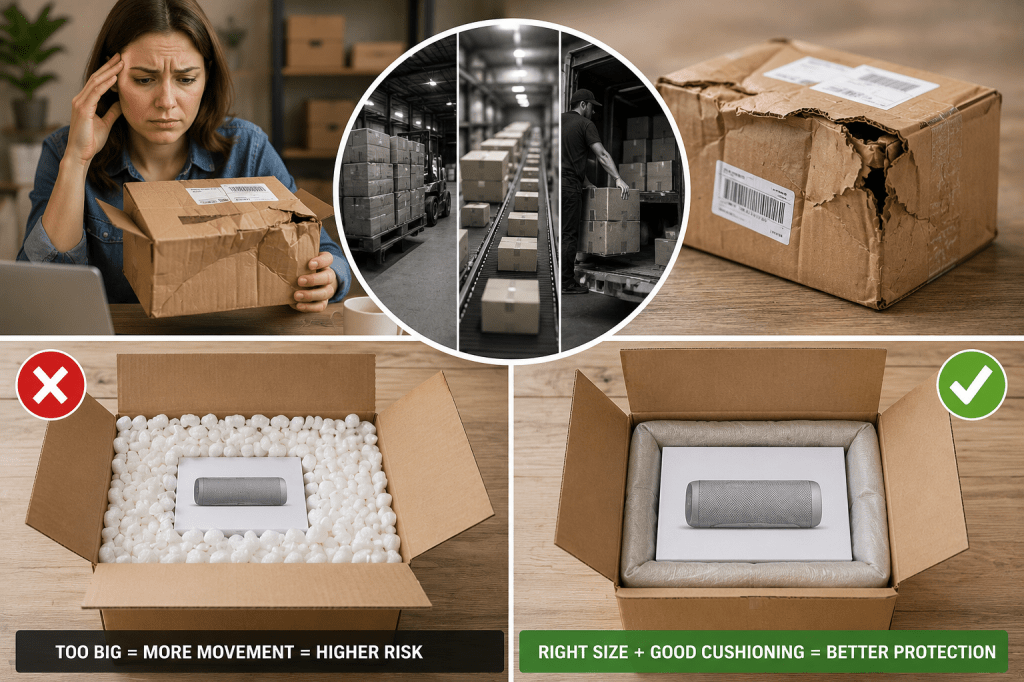
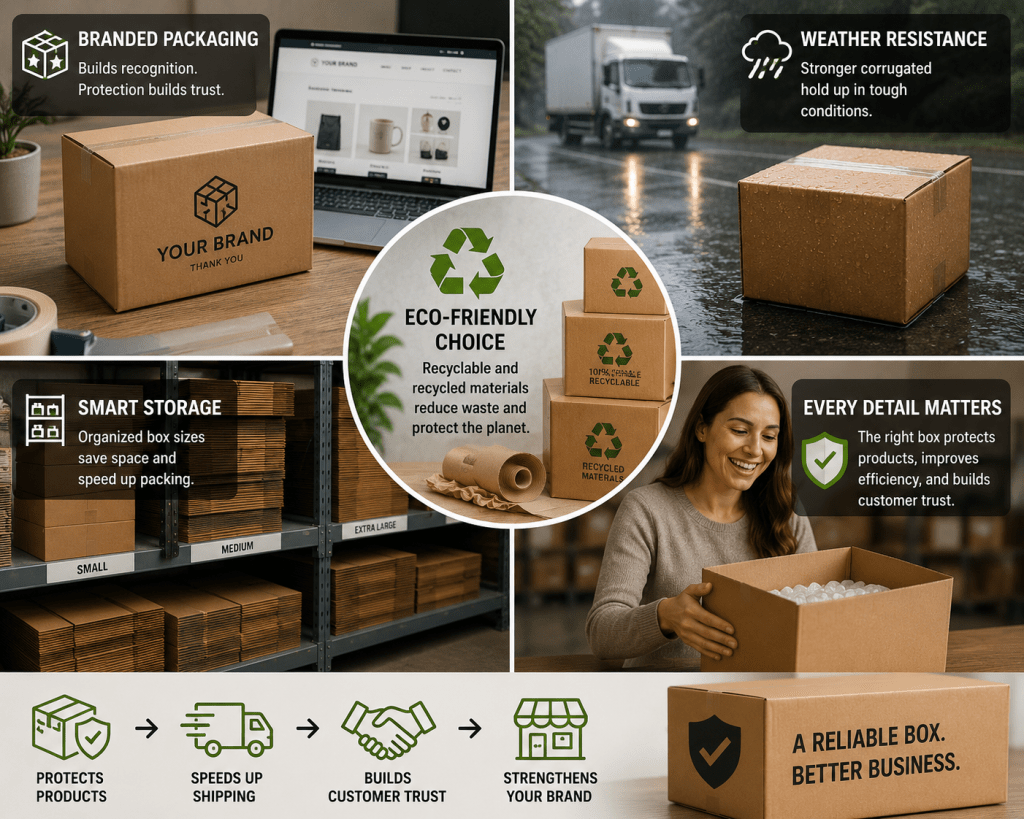
There are few things more frustrating for a business than hearing a customer say, “My order arrived damaged.” Sometimes the product inside can still work perfectly, but once the shipping box looks crushed or torn, the customer already feels disappointed. That first impression matters more than many companies expect.

A lot of businesses ask how to choose shipping boxes that actually protect products during delivery. The answer starts with understanding how rough shipping really is. Packages are stacked, tossed onto belts, loaded into trucks, and moved through warehouses all day long. A weak box may not survive that kind of pressure for very long.

Another common question is whether bigger boxes offer better protection. Surprisingly, that is often not true. Large shipping boxes create extra empty space, which allows products to shift around while traveling. A properly sized box with good cushioning usually protects items much better than an oversized carton stuffed with loose filler.

Heavy products create another challenge. Books, canned goods, tools, and glass items often need stronger corrugated shipping boxes because thinner cardboard may buckle under the weight. Some businesses learn this lesson after the bottom of a package gives out halfway through delivery.

Many companies also wonder why certain boxes collapse during stacking. Shipping warehouses often place heavy cartons on top of lighter ones during transport. Stronger box construction helps prevent crushing and keeps products safer during long trips.

Customers notice packaging quality immediately too. Somebody receiving a clean sturdy box feels more confident about the order inside. On the other hand, a beat-up package with ripped corners creates doubt before the customer even opens it. Good shipping boxes quietly help businesses look more reliable and professional.

Another thing businesses ask is how to lower shipping costs without risking product damage. One helpful step is choosing shipping boxes that fit the product correctly. Carriers often charge based on size and weight, so oversized cartons can increase costs quickly. Better-sized packaging usually reduces waste and keeps shipping more efficient.

Some business owners also ask whether branded shipping boxes are worth using. Printed logos and custom packaging may help customers remember the business, especially for online stores. Still, reliable protection matters much more than flashy designs. Customers mainly want their order to arrive safely and in good condition.

Weather can create problems for shipping boxes too. Rain and humidity weaken poor-quality cardboard much faster than many people realize. Businesses shipping across long distances often use stronger corrugated materials because they hold up better during rough conditions.

Eco-friendly packaging is becoming more important as well. Many buyers now prefer recyclable shipping boxes because they create less waste at home. Recycled cardboard options are growing in popularity because they balance durability with environmental concerns.

Another challenge businesses face is storage. Shipping boxes take up a surprising amount of space when warehouses become busy. Organizing box sizes properly helps workers pack faster and keeps shipping stations from turning into cluttered messes.

Shipping boxes may seem simple, but they affect product safety, shipping speed, customer trust, and business reputation every day. A dependable box helps orders arrive looking professional while reducing stress for both businesses and customers throughout the shipping process.

The Box Does More

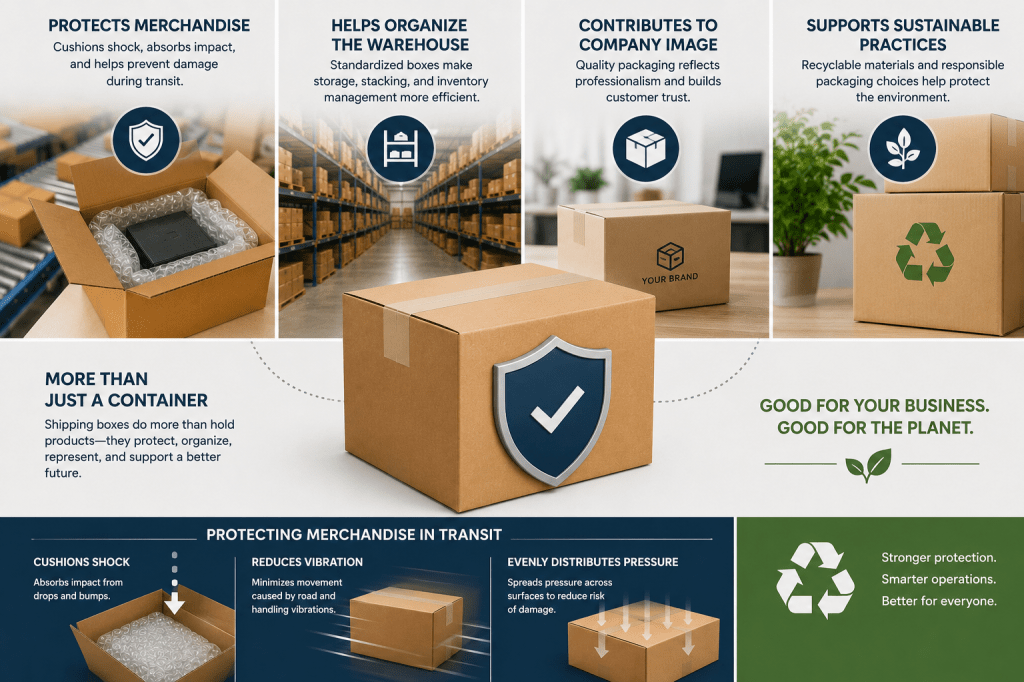
In addition to serving as a container, a shipping box protects merchandise during transit; helps organize the warehouse; contributes to the image of a company; and supports sustainable practices.

In terms of protecting merchandise, shipping boxes help cushion shock from falls, vibrations and other pressures that occur during transit. In addition, a good shipping box will help to evenly distribute pressure on a product.

The cost of using a particular type of shipping box is an important factor when deciding which types of boxes to buy. However, there are times when the cost savings realized from preventing merchandise loss outweighs the increased costs of purchasing higher-quality shipping boxes.

Whether or not to offer different types of shipping boxes to fit the various needs of your customers is another decision you need to consider. If your customers have very diverse products, then it would be wise to invest in a large number of different sized shipping boxes. On the other hand, if all of your products fit into a few standard size boxes, then you could potentially cut down on your shipping box expenses by limiting your purchases to just a few different sizes.

Finally, when selecting a shipping box, remember to choose a box made out of recyclable material. Your customers may look favorably upon companies that demonstrate concern for the environment. Using recyclable shipping boxes can contribute to your company’s sustainability efforts.

Overall, the role of shipping boxes in delivering packages goes far beyond being simply a way to pack items safely. By offering high-quality shipping boxes that are designed to handle a variety of conditions that might arise during delivery, your company can enhance its reputation for reliability and customer service. In addition, buying shipping boxes in bulk can help you save money and streamline your packaging processes. These benefits combined make shipping boxes a vital part of the packaging process.

Because so many aspects of the delivery process depend on how well each component works together, shipping boxes play a crucial part in ensuring a safe and efficient experience for both the consumer and the merchant. When businesses fully comprehend the roles that shipping boxes serve (i.e., protecting merchandise during delivery, organizing the warehouse, creating a favorable impression among consumers and contributing to environmentally friendly practices) they are better able to make informed packaging-related decisions that result in increased operational efficiencies and enhanced levels of customer satisfaction.