Tag: lifestyle

Are You Using the Wrong Size?

Many shipping problems begin with a simple mistake: using the wrong size box. It may not seem like a big issue at first. The item fits inside. The flaps close. The label goes on. But size plays a major role in protection, cost, and customer experience.

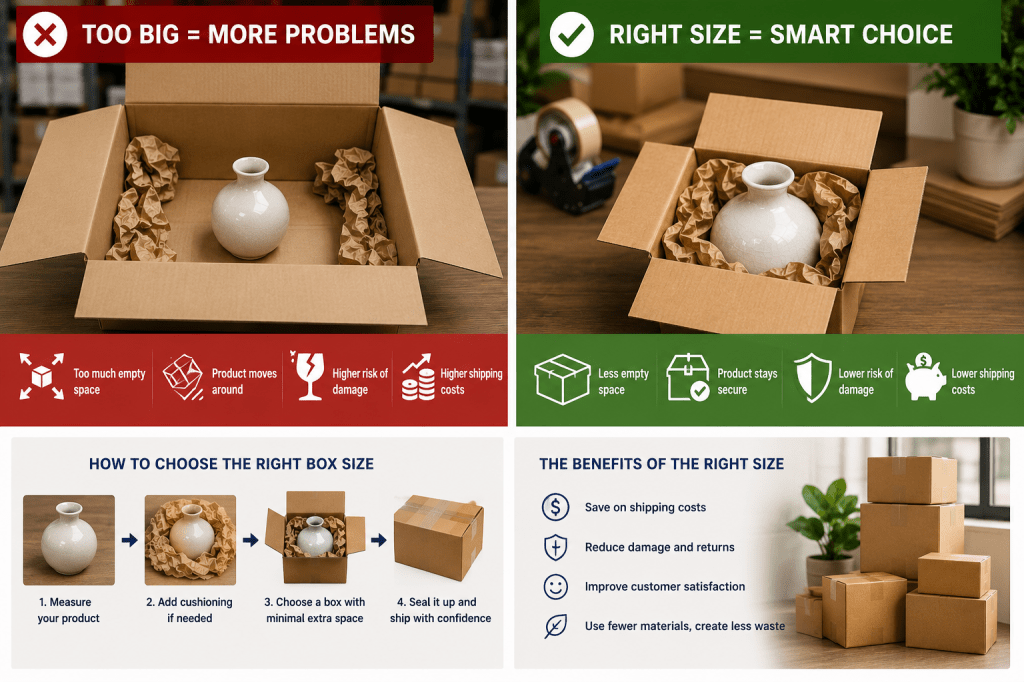
When a shipping box is too large, empty space becomes the enemy. During transit, packages are lifted, tilted, stacked, and moved quickly. If there is extra room inside, the product can shift with every motion. Each shift increases the chance of dents, cracks, or scratches. Even strong items can become damaged when they slide repeatedly inside a box.

To prevent this, the product should sit inside with only enough space for cushioning. Padding such as packing paper or protective wrap should fill the remaining gaps so that the item stays in place. If you can shake the box and hear movement, it likely needs adjustment.
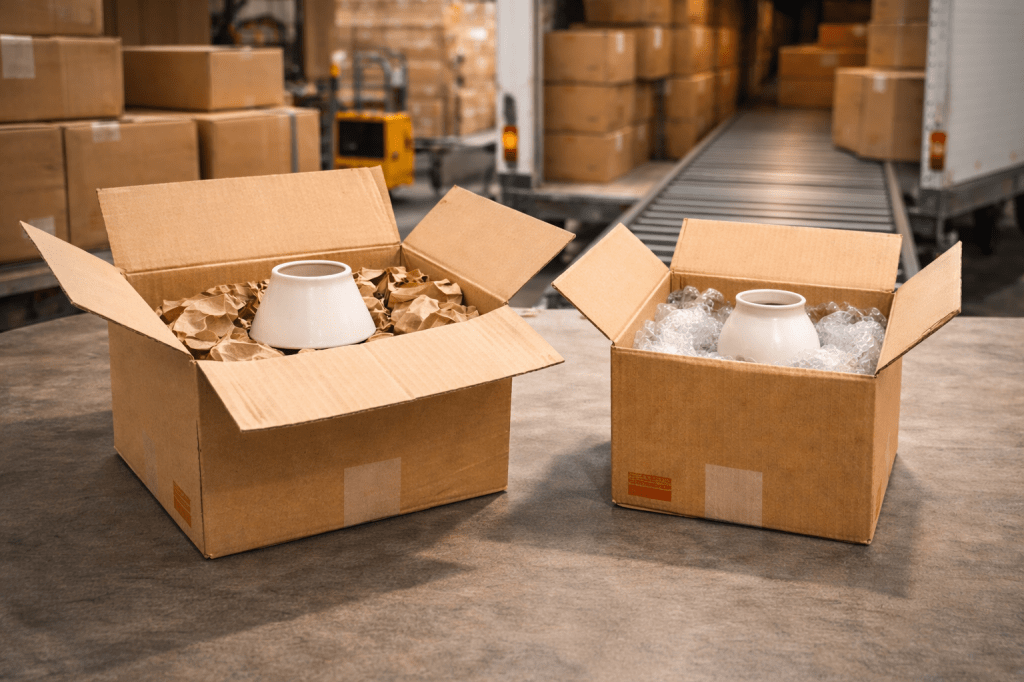
On the other hand, a box that is too small can also create problems. When an item is forced into tight space without room for protective material, the box walls take direct pressure. This can lead to bulging sides or split seams. Proper spacing allows for protection without putting strain on the structure.

Shipping cost is another reason size matters. Carriers often calculate rates based on dimensional weight, which means the overall size of the box affects pricing. A larger box with unused space may cost more to ship than a smaller one that holds the same product securely. Choosing a box that fits properly can help control expenses while still maintaining protection.

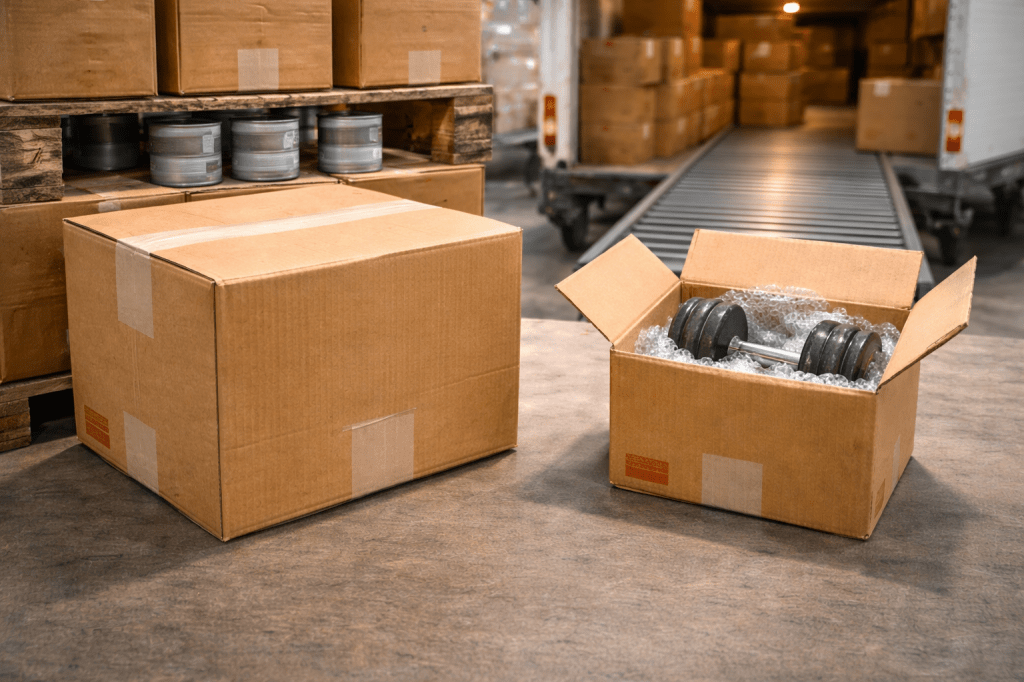
Strength should match size as well. Larger boxes may require thicker corrugated material to handle stacking pressure. Smaller boxes carrying heavy items also need strong walls to prevent collapse. The balance between size and strength ensures the box performs well during handling.

Storage and organization benefit from correct sizing too. Uniform box sizes stack neatly in storage areas and shipping stations. This reduces clutter and speeds up packing time. When boxes are easy to access and consistent in size, workflow becomes smoother.

Testing remains one of the most effective tools. Place the product inside the selected box with appropriate cushioning. Close and seal it. Gently shake it to confirm that nothing moves. Press lightly on the top to check for flexibility. These small checks can reveal whether the size and strength are appropriate.
Recyclability can also influence the decision. Many standard cardboard boxes are recyclable and reusable. Choosing a well-sized box reduces the need for excessive filler materials, which can further limit waste.

Customers often judge the experience before they even see the product. A box that is far too large for a small item can feel careless. A properly sized box communicates attention to detail. It suggests that care was taken in preparing the shipment.

Shipping boxes are not one-size-fits-all solutions. Each product may require a slightly different approach based on weight, fragility, and travel distance. Taking the time to match box size to the item inside reduces damage, lowers shipping costs, and improves the overall delivery experience.

In the end, selecting the right size shipping box is about more than convenience. It is about protection, efficiency, and presentation. When the fit is correct, the journey from sender to recipient becomes far more reliable.
The Box That Protects Your Product… and Your Reputation

A lot of business owners don’t realize how closely their reputation is tied to something as simple as a shipping box. They think their product speaks for itself once it arrives in the customer’s hands. But the truth is, the customer forms an opinion long before they ever see what’s inside. The moment they pick up the box—whether it feels strong or weak, clean or messy, tight or sloppy—shapes how they feel about your business. And those feelings stay with them long after the package is opened.

Picture a customer lifting a box that looks worn out before they even touch the tape. The corners are dented. The sides are bowed. The box feels soft in places where it should feel firm. Even if the product inside is safe, the customer’s trust is already shaken. They start wondering if something went wrong along the way. They brace themselves for disappointment. It’s not because they want to complain—it’s because the box told a story of stress, rough handling, and careless preparation.

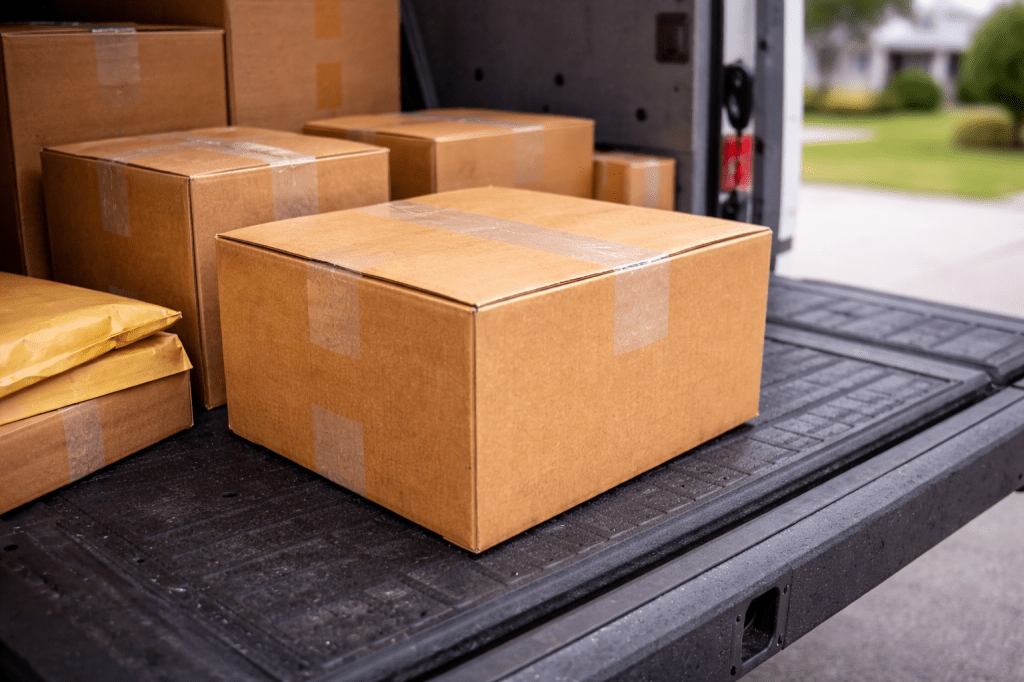
Now imagine the opposite experience. The customer walks up to their porch and picks up a box that looks steady and clean. The cardboard feels firm. The seams are crisp. The tape is sealed tight with no peeling, wrinkling, or gaps. When they lift it, the weight feels centered. Nothing shifts or rolls around. Before the customer ever cuts the tape, they feel confident. They feel respected. They feel like they ordered from a company that takes its work seriously.

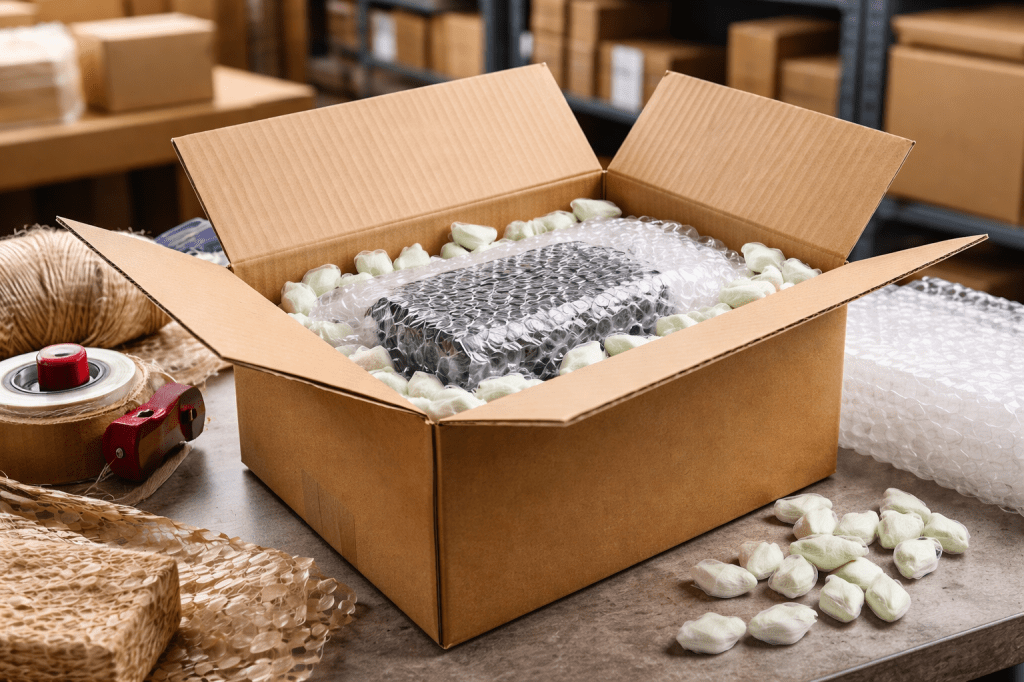
This difference doesn’t happen by accident. It happens because the business chose the right shipping boxes—boxes strong enough to survive the journey, boxes sized correctly for the product, boxes dependable enough to carry your reputation all the way to the customer’s door. When your team reaches for a box that actually matches the item they’re shipping, everything becomes easier. The product fits naturally. The padding stays where it belongs. The tape holds cleanly. There’s no tension or guessing or hoping the box will make it through the process.

During transport, a strong box protects more than just the item inside. It protects your brand. It carries your business name through stacked trucks, conveyor belts, delivery vans, and rough weather. Every bump it survives is one less customer service call you’ll have to answer. Every corner it keeps intact is a moment of professionalism the customer will notice—even if they don’t say anything aloud.

But the benefits don’t end with the customer’s experience. Using the right shipping boxes also makes your internal operation smoother. Your team doesn’t have to waste time reinforcing weak cartons or trying to force products into boxes that don’t fit. They don’t have to add triple layers of tape or mountains of filler just to feel safe. Packing becomes a steady rhythm instead of a stressful guessing game. This kind of flow saves time, energy, and money every single day.

There’s also a practical advantage to using boxes made from recycled or responsibly sourced materials. Stronger recycled boards today perform just as well—sometimes better—than older materials. They help reduce waste, limit returns, and show customers that you take stewardship seriously without making a big show out of it. It’s a simple, quiet way to run a smarter operation.

When customers open a package and find their product in perfect shape, they feel something powerful: relief. Relief that everything went right. Relief that their money was well spent. Relief that they can trust your business. That relief turns into repeat orders, referrals, and long-term loyalty.

A shipping box may seem like a small part of your business, but it carries a big responsibility. It protects your product, your profit, and most importantly, your reputation. When the box does its job well, the customer sees your business the way you hope they will—steady, thoughtful, and trustworthy from the very first moment they pick it up.

Bigger Boxes Waste Money

Some businesses think using larger shipping boxes makes packing easier. There is more room inside, more space for padding, and less worrying about whether the product will fit. But oversized boxes can quietly create problems that cost companies money over time.

A box that is too large often leaves empty space around the product.

That may not sound like a big deal, but during shipping, products move constantly. Packages get tossed onto conveyor belts, stacked inside trucks, and pushed around warehouses for hours or even days. If items slide around inside the box the whole time, damage becomes much more likely.

That is why proper box size matters more than many people expect.

One common question businesses ask is how to know which shipping box size works best. A good box should fit the product closely without squeezing it too tightly. There should be enough room for cushioning materials if needed, but not so much space that the item shifts around during transit.

Using the right size can also lower shipping costs.

Many delivery companies now charge based on package dimensions as well as weight. Large boxes take up more space on trucks and sorting equipment. Even lightweight shipments can become expensive if the packaging is oversized. Smaller boxes often help businesses save money while reducing wasted materials.

People also ask whether stronger boxes are always necessary. Not every shipment needs thick heavy-duty corrugated cardboard. Lightweight products like shirts or hats may ship safely in thinner packaging. Fragile or heavy items, though, usually need stronger shipping boxes that can handle stacking pressure and rough handling during transit.

Another thing businesses sometimes overlook is storage space.

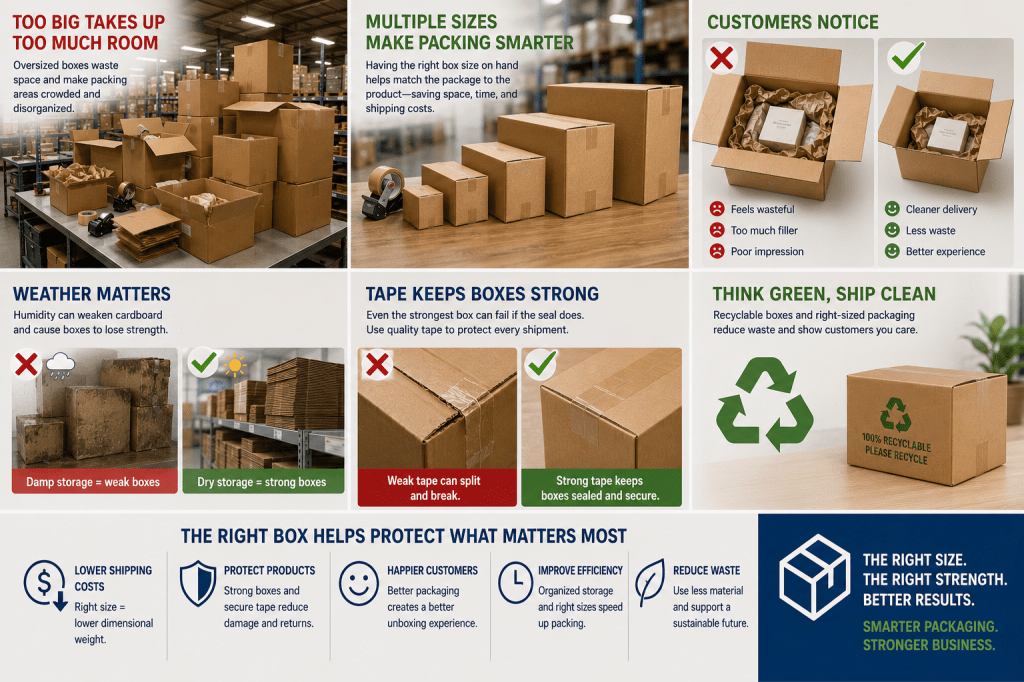
Large shipping boxes take up room quickly inside warehouses or stock areas. Keeping too many oversized boxes can make packing stations crowded and disorganized. Some companies now keep multiple box sizes available so workers can match packaging more closely to the order being shipped.

Customers notice packaging too.

A giant box arriving with one tiny item inside can feel wasteful to many buyers. Some customers get frustrated seeing piles of unnecessary filler materials just to protect a small product. Businesses using better-sized shipping boxes often create cleaner-looking deliveries while reducing packaging waste at the same time.

Weather can affect boxes more than people realize as well. Cardboard stored in humid areas may weaken before it is even used. Damp boxes lose strength and may crush more easily during shipping. Keeping shipping boxes dry and stacked properly helps them stay strong longer.

Tape plays an important role too. Even a strong box can fail if the seal comes apart during transit. Heavy shipments especially need reliable tape to keep flaps secure while moving through trucks and warehouses. Weak tape can lead to split seams and damaged orders very quickly.

There is also growing demand for recyclable shipping boxes. Many businesses are trying to reduce waste by using recyclable cardboard and avoiding oversized packaging whenever possible. Customers who care about the environment often appreciate companies making those efforts.

Shipping boxes may look simple sitting flat in storage, but they affect shipping costs, product safety, customer experience, and business efficiency every day. Choosing the right box size and strength can prevent many common shipping problems before they ever happen.

Scent-Embedded Packaging types 

Scent embedded packaging is a unique type of packaging that you can use in order to create a multi-sensory experience for your products. Scents have an  effect on people, and a lot of times, people like to hold onto the packaging and sniff it to experience the scents that are there. 

Having scent-based packaging is great for body care items, even food and such.  it’s a market that’s grown by over 15% in the previous 15 years, and it’s definitely something that people like to enjoy. With so many innovative ways, there definitely is a market offering this, and it taps into the psychology of what customers want to buy. 

What’s in Scented Packaging 

Now, scented packaging requires well, scents that you can add to the packaging.

Microencapsulation, where little capsules are placed in the container, is one way to do this.

There are also scent coatings, which actually will coat the entirety of the item with the scent, like a lamination and the like.

There’s also embedded fragrance materials that will release scents when you interact with it. An example of this is scratch and sniff stickers, where once you scratch it, it releases the scent that you can sniff.

The Benefits and Challenges with This 

There’s a few benefits that come with this. First it taps into the psychology of the packaging. When you create an experience that interacts with the psyche directly, customers will remember it. it’s why they’ll remember good experiences with products, and not so much the bad ones.

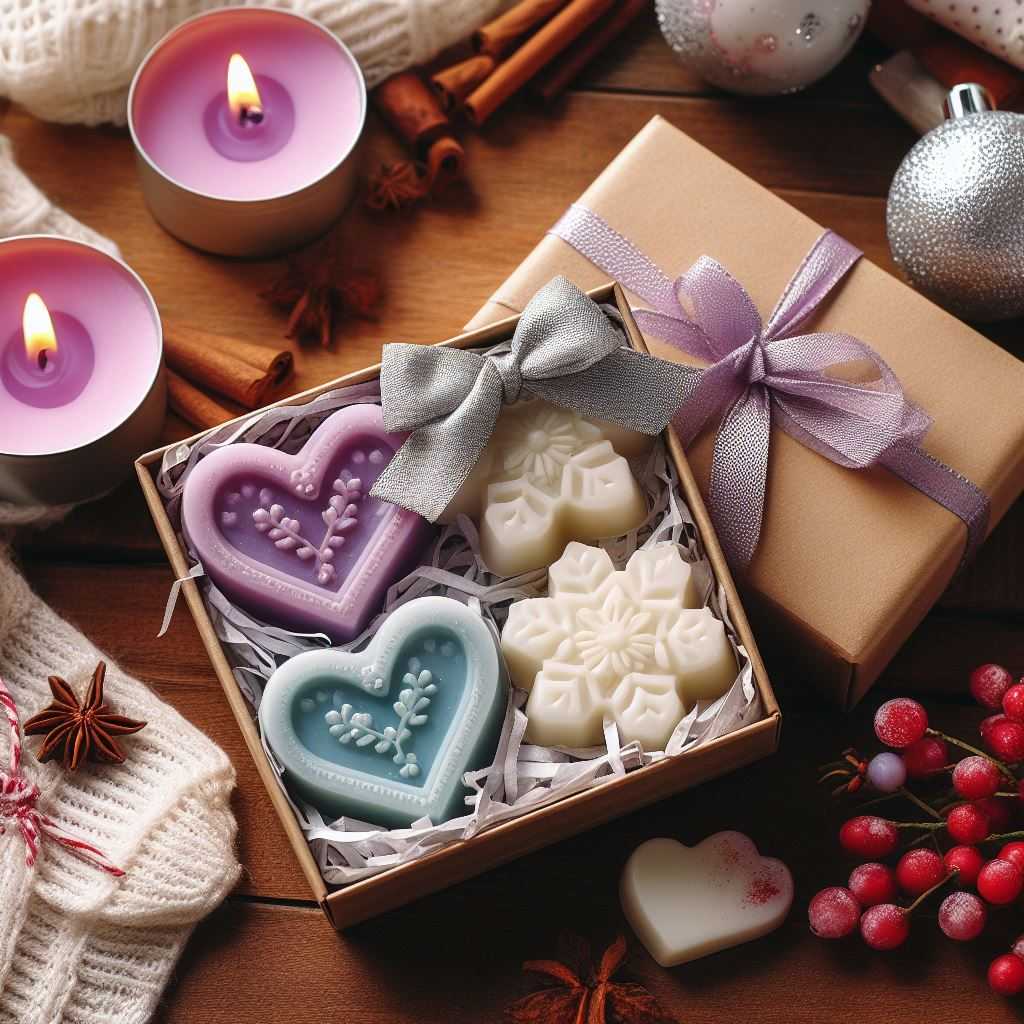
It markedly enhances the unboxing experiences too. People like it when they get an extra little piece of sensory interaction that they get with their items.

However, there are some problems that come with this.   fragrance stability and ensuring that they don’t break down is one of them. allergen concerns are another one, because some scents will definitely create an allergic reaction.

The final problem is the customer’s reaction to scents. Some people are sensitive to scents, and in turn, it might turn them off if it’s too pungent. You want to make it subtle, but also memorable as well. 

Examples of This 

There’s a few types of examples of this that come along. 

One of the most prevalent is detergents, which use a scratch and sniff through different fragrance pearls embedded there. a customer can smell it without needing to even open up the packaging.

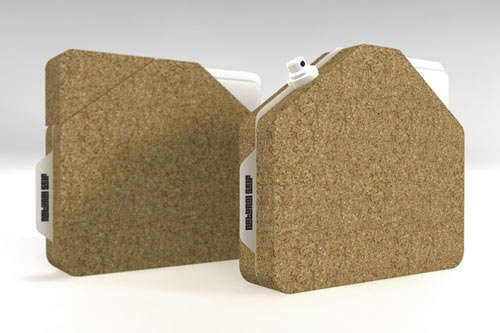
Some of them even come with a squeezable detachable cap, where you can smell the fragrance through the opening of this.   There’s also freshness technology that encapsulates the aroma in bubbles, so only when it’s touched does it release.   The cool thing about this is you  can embed it completely, for great long-term results. 

Another example of this is printing technology for these coatings. Follmann is one example where they used a perfume packaging that’s 1:1 on this varnish as soon as it’s touched. Through additional sleeves, the Folco-scent will be encapsulated and then put into small spheres that are microscopic in size.   When a customer interacts with this, it then causes the capsules to emit the scent, and then retain that scent for up to 12 or so months. 

Nike also used this as well. They added fragrances to the apple, and even increased the sales by up to 80%.  

Some gas stations used the smell of coffee beans, and it caused a 300% increase in coffee product sales.

Scents work, and they interact with us in unique ways. As a packaging provider, it might be worthwhile to consider this type of unique packaging experience for your products.