Tag: home

Are You Using the Wrong Size?

Many shipping problems begin with a simple mistake: using the wrong size box. It may not seem like a big issue at first. The item fits inside. The flaps close. The label goes on. But size plays a major role in protection, cost, and customer experience.

When a shipping box is too large, empty space becomes the enemy. During transit, packages are lifted, tilted, stacked, and moved quickly. If there is extra room inside, the product can shift with every motion. Each shift increases the chance of dents, cracks, or scratches. Even strong items can become damaged when they slide repeatedly inside a box.

To prevent this, the product should sit inside with only enough space for cushioning. Padding such as packing paper or protective wrap should fill the remaining gaps so that the item stays in place. If you can shake the box and hear movement, it likely needs adjustment.
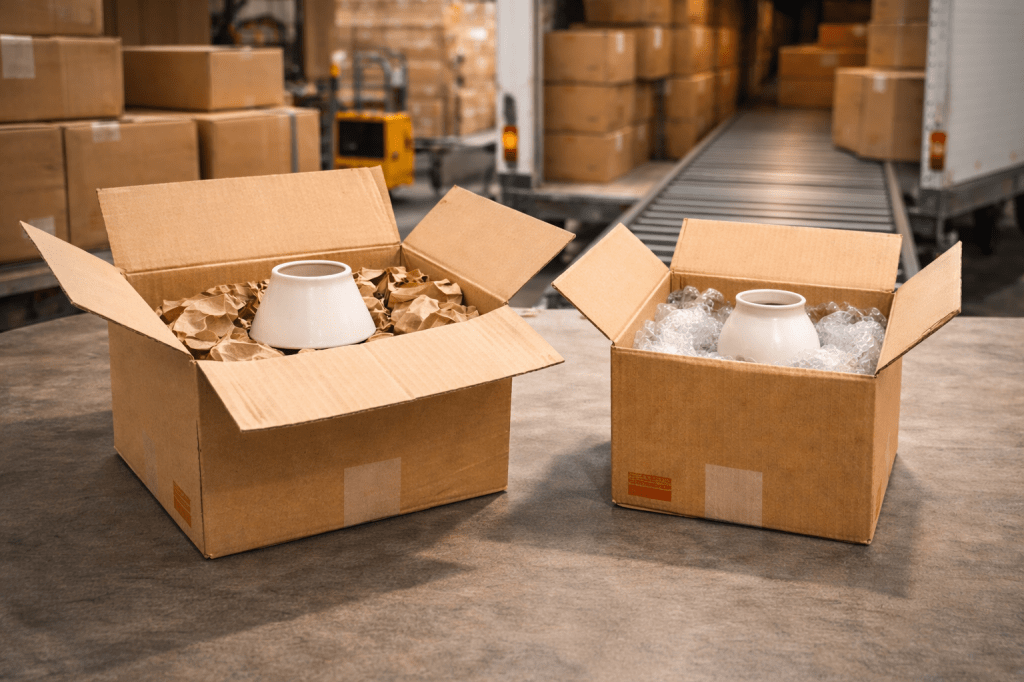
On the other hand, a box that is too small can also create problems. When an item is forced into tight space without room for protective material, the box walls take direct pressure. This can lead to bulging sides or split seams. Proper spacing allows for protection without putting strain on the structure.

Shipping cost is another reason size matters. Carriers often calculate rates based on dimensional weight, which means the overall size of the box affects pricing. A larger box with unused space may cost more to ship than a smaller one that holds the same product securely. Choosing a box that fits properly can help control expenses while still maintaining protection.

Strength should match size as well. Larger boxes may require thicker corrugated material to handle stacking pressure. Smaller boxes carrying heavy items also need strong walls to prevent collapse. The balance between size and strength ensures the box performs well during handling.

Storage and organization benefit from correct sizing too. Uniform box sizes stack neatly in storage areas and shipping stations. This reduces clutter and speeds up packing time. When boxes are easy to access and consistent in size, workflow becomes smoother.

Testing remains one of the most effective tools. Place the product inside the selected box with appropriate cushioning. Close and seal it. Gently shake it to confirm that nothing moves. Press lightly on the top to check for flexibility. These small checks can reveal whether the size and strength are appropriate.
Recyclability can also influence the decision. Many standard cardboard boxes are recyclable and reusable. Choosing a well-sized box reduces the need for excessive filler materials, which can further limit waste.

Customers often judge the experience before they even see the product. A box that is far too large for a small item can feel careless. A properly sized box communicates attention to detail. It suggests that care was taken in preparing the shipment.

Shipping boxes are not one-size-fits-all solutions. Each product may require a slightly different approach based on weight, fragility, and travel distance. Taking the time to match box size to the item inside reduces damage, lowers shipping costs, and improves the overall delivery experience.

In the end, selecting the right size shipping box is about more than convenience. It is about protection, efficiency, and presentation. When the fit is correct, the journey from sender to recipient becomes far more reliable.
Pick the Right Box

Choosing a shipping box should be simple.

But it usually isn’t.

Most people stand there looking at a stack of boxes thinking they all do the same job. So they grab one that looks close enough and move on. Sometimes it works. Sometimes it doesn’t. And when it doesn’t, that is when damage, returns, and wasted time start to show up.

So how do you actually pick the right box? Start with the item itself. Not just the size, but the shape and weight. A long narrow item behaves differently than a flat one. A heavy item puts stress on the bottom in a way a light one never will. If you ignore that and treat every product the same, you are setting yourself up for problems.

A box that is too big feels safe at first. There is room, it is easy to pack, nothing feels forced. But that extra space turns into movement. Movement turns into impact. And impact turns into damage. You might not see it on the outside, but inside the item is taking small hits the entire trip.

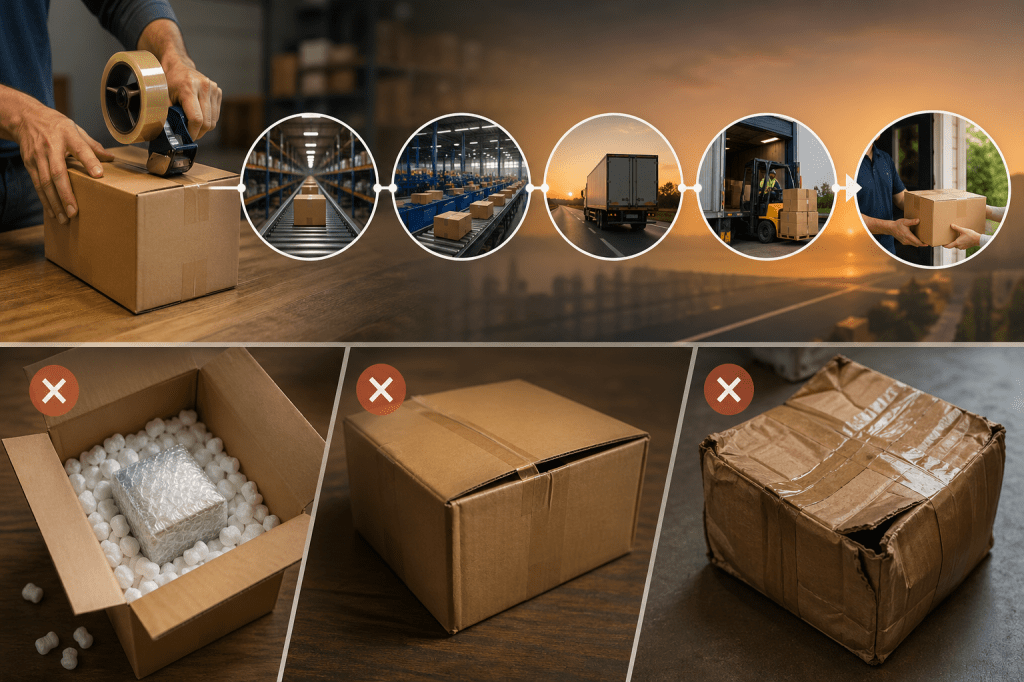
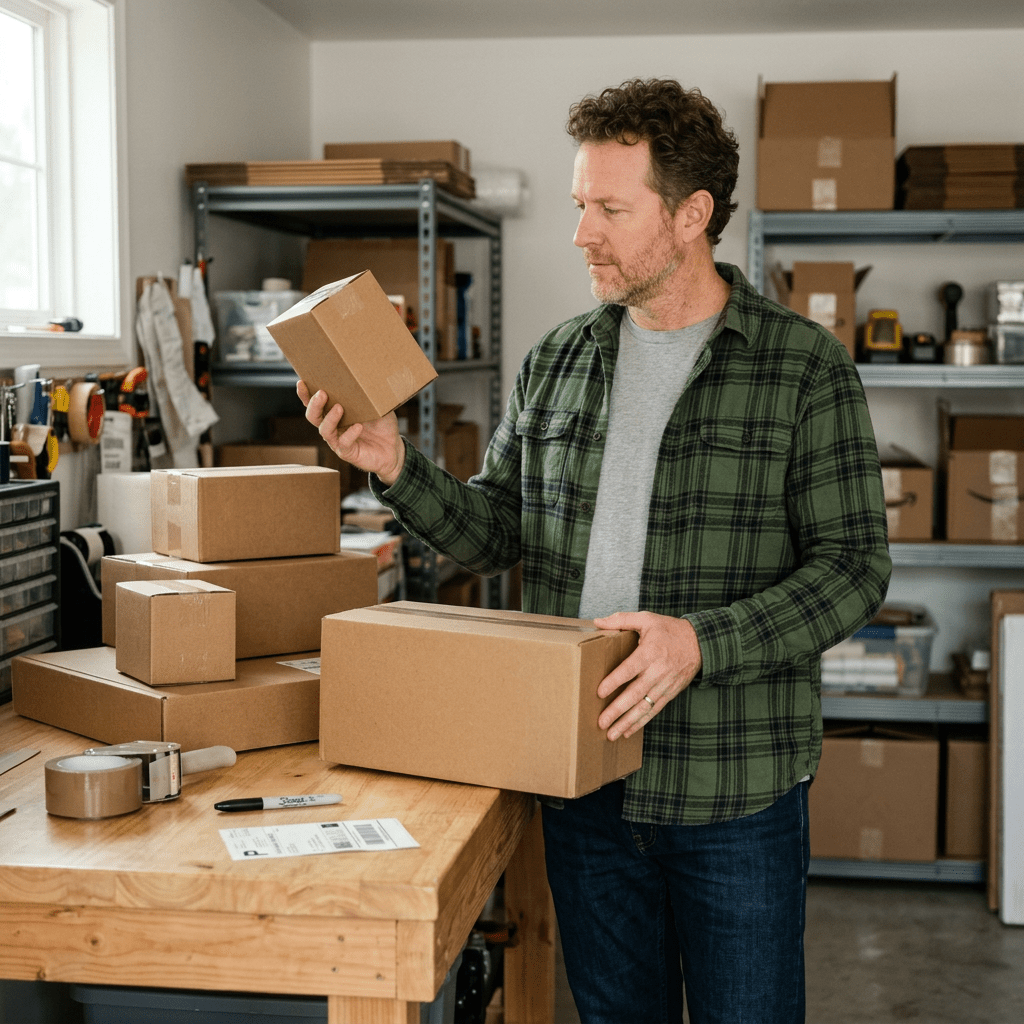
Man examining oversized and undersized packaging with labels explaining waste and damage scenarios
Man comparing oversized and undersized packaging effects in warehouse

Too small can be just as bad. If the item is squeezed in, there is no space for protection. No cushion, no barrier between the product and the outside world. Even a strong box cannot help much if everything inside is pressed tight against the walls.

So, the goal is simple, but it takes a little attention. You want a box that gives just enough room for protection without leaving extra space to move.

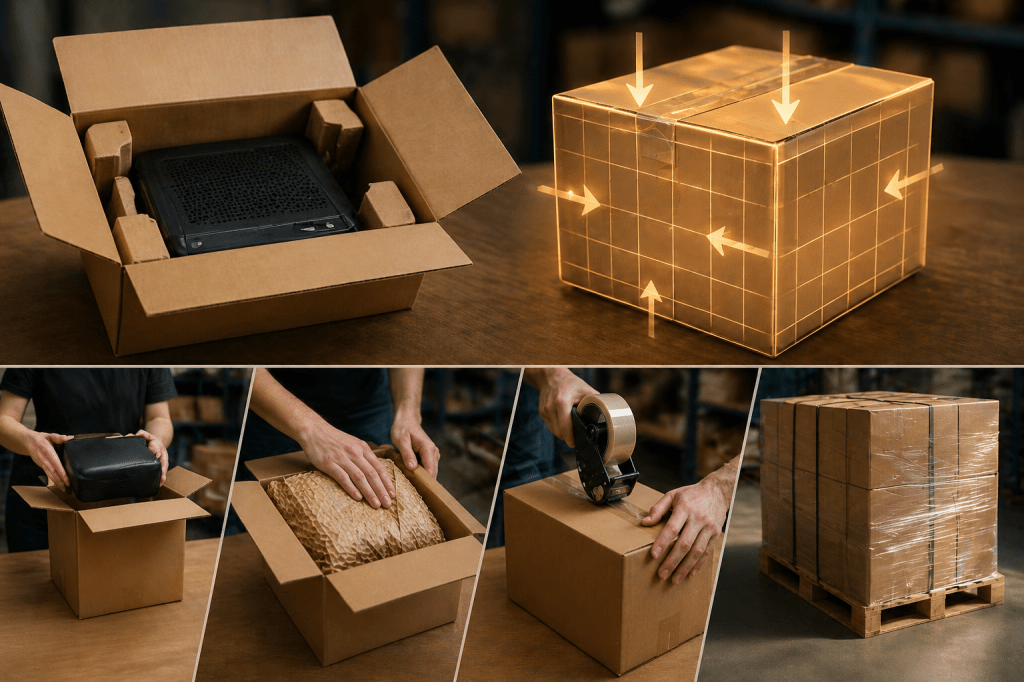
Now think about what happens after it leaves your hands. Boxes do not travel alone. They get stacked, shifted, and handled by machines and people moving fast. That means your box needs to hold up under pressure from all sides. If it is too light for the job, it may start to bend or bow. Once that happens, everything inside is at risk.

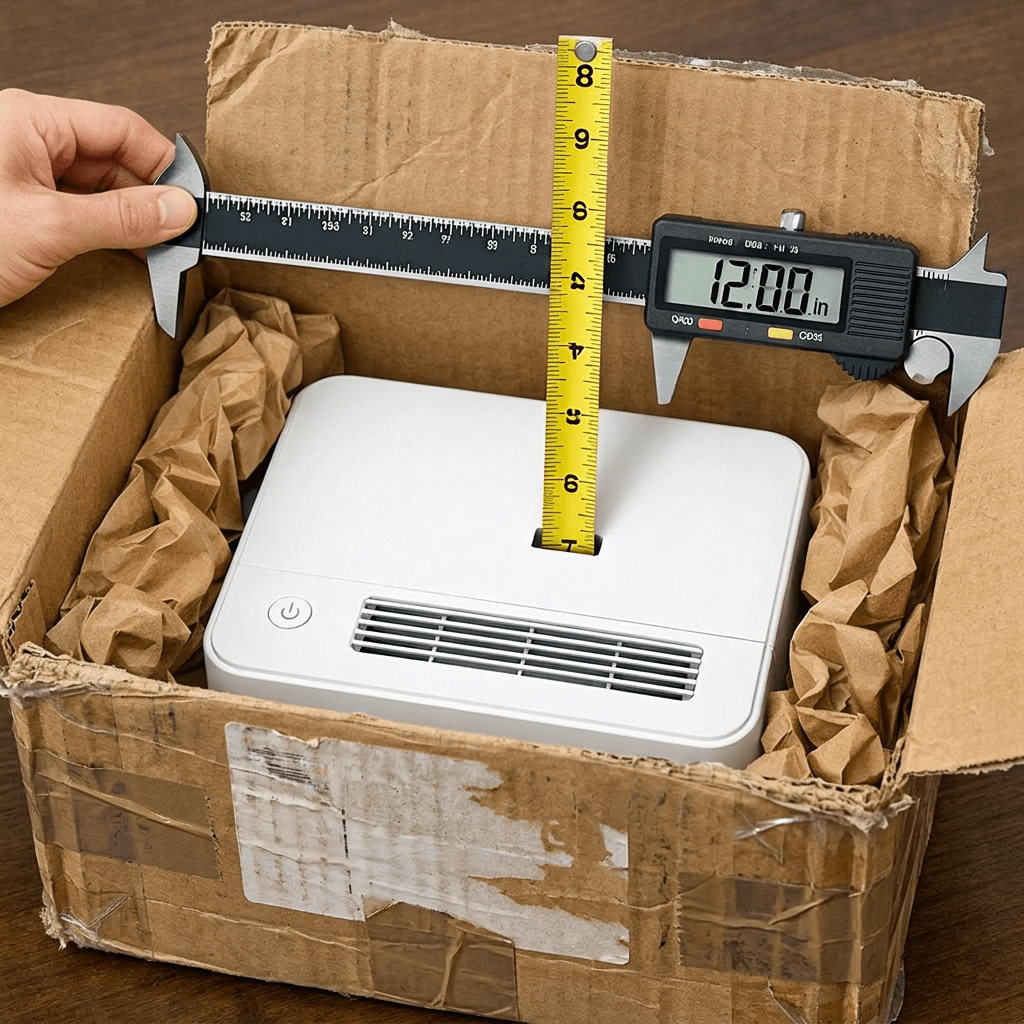
Digital caliper and tape measure measuring a white electronic device inside a cardboard box
Using calipers and a tape measure to check an item’s size inside a cardboard box

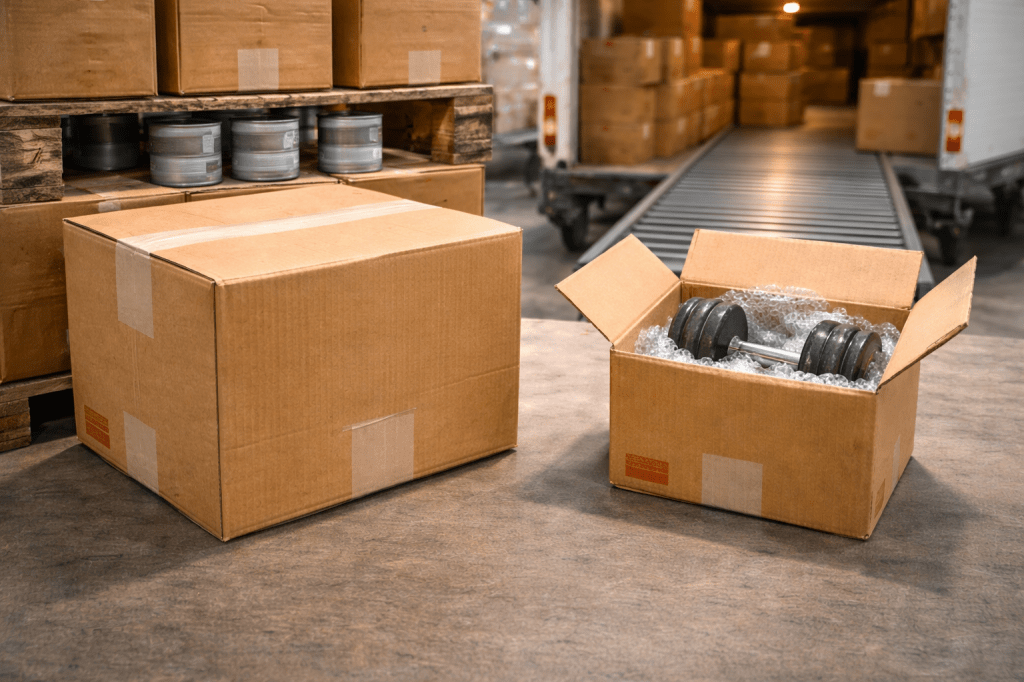
A common question is how to know if a box is strong enough. You can start by looking at the weight of your item and choosing a box designed to handle that load. Heavier items need stronger walls. Items with sharp edges may need extra padding so they do not press into the box itself. It is not about overbuilding. It is about matching strength to need.

There is also the issue of repeat use. Some people reuse boxes to save money. That can work, but only if the box is still in good shape. If it has soft spots, bent corners, or worn edges, it has already lost strength. Using it again adds risk. It may hold once, but fail the next time.

Another thing to consider is packing consistency. If different people are packing orders, each one may choose a different box for the same item. That leads to uneven results. Some packages arrive perfect, others do not. Creating a simple system for which box goes with which product can fix that. It removes guesswork and makes results more reliable.

And then there is the final check. Before sealing, take a quick look. Is the item centered? Is there enough support inside? Are the flaps closing cleanly? It takes a few seconds, but it can catch problems before they leave your hands.

Shipping boxes are not just containers sitting on a shelf. They are part of the process that protects your product all the way to the customer.

Pick the right one, and things tend to go smoothly. Pick the wrong one, and small issues start stacking up fast.

Read this before shipping

Before you send your next package out, pause for a second and think about what really happens after it leaves your hands. It doesn’t go straight from your table to your customer’s doorstep. It moves through a chain of events that most people never see, and every step puts pressure on the box you chose.

That’s where things either hold up… or fall apart.

A lot of shipping problems don’t come from big mistakes. They come from small oversights that feel harmless at the time. Using a box that feels “good enough.” Leaving a little extra space inside because it’s easier than finding a better fit. Sealing it quickly and assuming it will stay that way.

None of those decisions seem like a risk in the moment. But once the package is in motion, those small choices start to show.

Think about how boxes are handled. They’re stacked, sometimes unevenly. They’re pushed across belts, dropped into bins, and shifted during transport. If a box has extra space inside, the item starts to move with every one of those motions. That movement creates impact, even if it’s small, over and over again.

At the same time, pressure builds from the outside. Other boxes press down from above, especially during busy shipping times. If the top of your box isn’t strong enough, it starts to sink. Once that happens, the sides begin to push outward, and the structure weakens quickly.

This is where many shipments start to fail.

What most people don’t realize is that a strong shipping box doesn’t just resist damage. It controls what happens inside it. When the size is right and the structure is solid, the item stays in place. The weight is spread evenly, and the box handles the pressure without losing its shape.

That’s the difference between hoping something arrives safely and knowing it will.

There’s also a rhythm to good packing that people develop over time. It starts to feel smoother. You’re not stopping to second guess your choices or adjust things after the fact. The box fits, the item sits properly, and the seal holds without needing extra work.

That kind of consistency matters, especially when you’re sending out multiple orders.

It also reduces waste in ways that aren’t always obvious. When you’re not filling large empty spaces or replacing damaged shipments, you’re using less material overall. That’s not just better for cost. It’s a more responsible way to run your operation without overcomplicating things.

Over time, those small improvements build on each other.

Fewer damaged packages. Less time spent fixing problems. More confidence in every order that goes out.

Shipping boxes may seem simple, but they carry more responsibility than most people give them credit for. They’re the final step before your product reaches someone else, and they shape how that moment feels.

When you take a second to get that part right, everything that comes after gets easier.

And once you see the difference, it’s not something you overlook again.