Before you send your next package out, pause for a second and think about what really happens after it leaves your hands. It doesn’t go straight from your table to your customer’s doorstep. It moves through a chain of events that most people never see, and every step puts pressure on the box you chose.
That’s where things either hold up… or fall apart.
A lot of shipping problems don’t come from big mistakes. They come from small oversights that feel harmless at the time. Using a box that feels “good enough.” Leaving a little extra space inside because it’s easier than finding a better fit. Sealing it quickly and assuming it will stay that way.
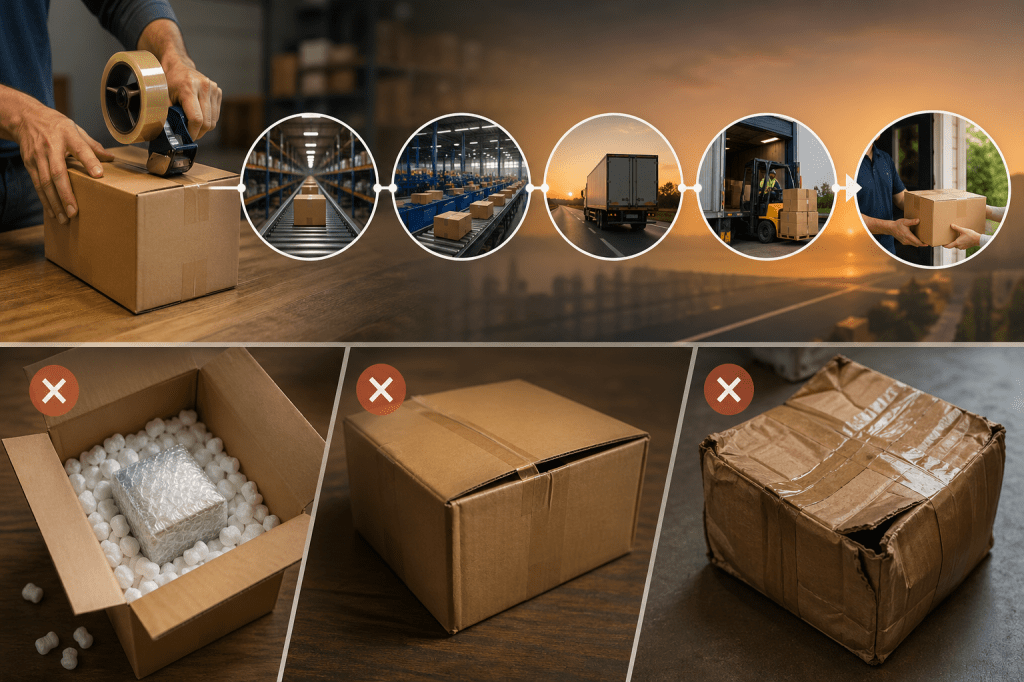
None of those decisions seem like a risk in the moment. But once the package is in motion, those small choices start to show.
Think about how boxes are handled. They’re stacked, sometimes unevenly. They’re pushed across belts, dropped into bins, and shifted during transport. If a box has extra space inside, the item starts to move with every one of those motions. That movement creates impact, even if it’s small, over and over again.
At the same time, pressure builds from the outside. Other boxes press down from above, especially during busy shipping times. If the top of your box isn’t strong enough, it starts to sink. Once that happens, the sides begin to push outward, and the structure weakens quickly.
This is where many shipments start to fail.
What most people don’t realize is that a strong shipping box doesn’t just resist damage. It controls what happens inside it. When the size is right and the structure is solid, the item stays in place. The weight is spread evenly, and the box handles the pressure without losing its shape.
That’s the difference between hoping something arrives safely and knowing it will.
There’s also a rhythm to good packing that people develop over time. It starts to feel smoother. You’re not stopping to second guess your choices or adjust things after the fact. The box fits, the item sits properly, and the seal holds without needing extra work.
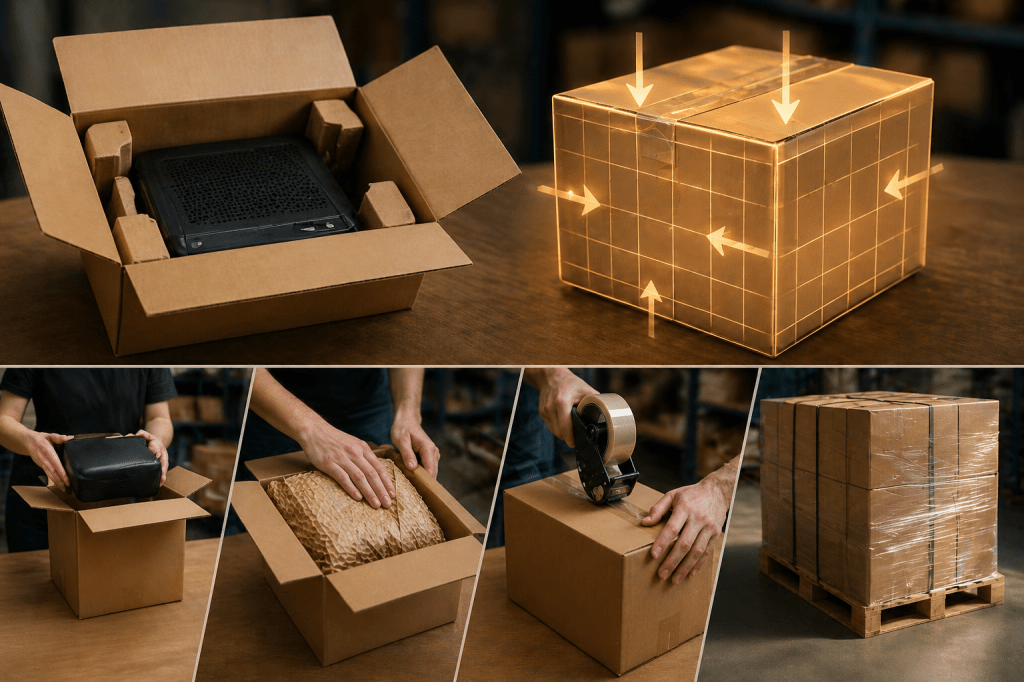
That kind of consistency matters, especially when you’re sending out multiple orders.
It also reduces waste in ways that aren’t always obvious. When you’re not filling large empty spaces or replacing damaged shipments, you’re using less material overall. That’s not just better for cost. It’s a more responsible way to run your operation without overcomplicating things.
Over time, those small improvements build on each other.
Fewer damaged packages. Less time spent fixing problems. More confidence in every order that goes out.
Shipping boxes may seem simple, but they carry more responsibility than most people give them credit for. They’re the final step before your product reaches someone else, and they shape how that moment feels.
When you take a second to get that part right, everything that comes after gets easier.
And once you see the difference, it’s not something you overlook again.
 Proper Nestification