You don’t notice it when you’re packing, and that’s what makes it so dangerous. Everything looks fine on the table. The box is sealed, the label is on, and it heads out the door like every other order. But somewhere between your hands and your customer’s doorstep, something shifts. The box arrives looking worn, maybe slightly crushed, maybe just “off” enough that it doesn’t feel right when opened.
That small moment matters more than most people think.
What causes it is rarely one big mistake. It’s usually a series of small decisions that don’t seem like a big deal at the time. A box that’s just a little too thin for what’s inside. A size that leaves extra space, so the item moves around during transit. A seal that looks fine at first but doesn’t hold up after a day of pressure and temperature changes.
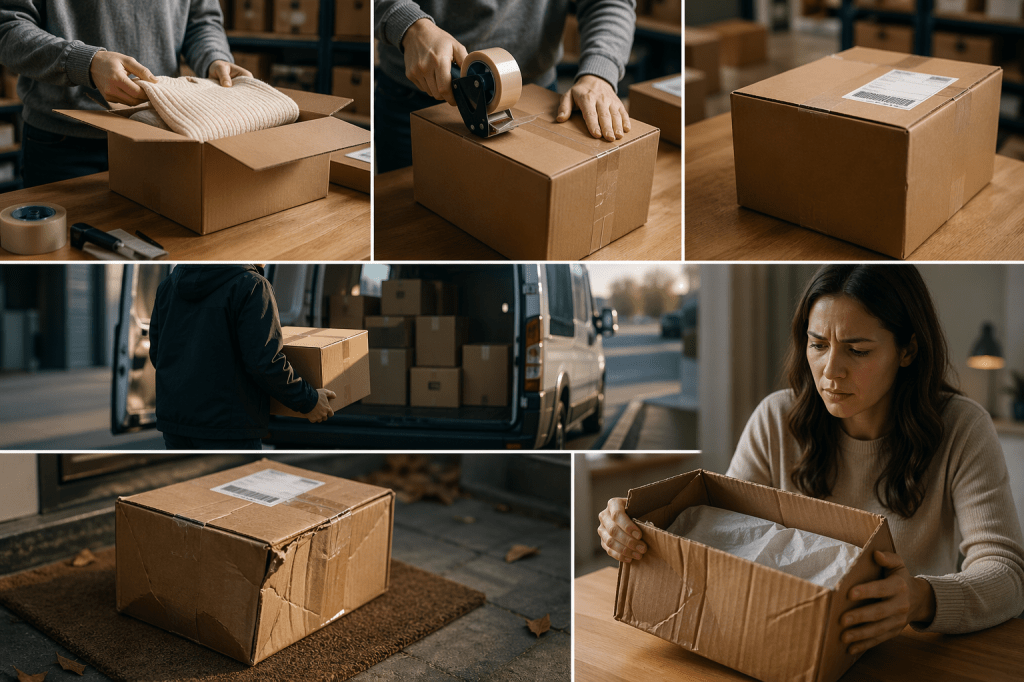
Individually, these things feel minor. Together, they create a weak package.
Shipping boxes go through more than people picture. They’re not just sitting on a shelf. They’re lifted, dropped onto conveyors, stacked under weight, shifted in trucks, and handled again and again. Each step adds a little stress. If the structure of the box isn’t solid, that stress builds until something gives.
The problem is, most people pack with their eyes, not with the journey in mind.
They look at the box and think, “This should work.” But they don’t picture what happens when that box is under twenty others, or when it slides across a truck floor during a sudden stop. They don’t think about how the corners take impact or how the sides hold up under pressure.
That’s where the difference shows up.
A well-chosen shipping box doesn’t just hold the item. It holds its shape through all of that movement. The walls stay firm, the corners stay tight, and the top doesn’t sink when weight is added. Inside, the product stays in place, supported so it doesn’t bounce or shift with every turn.
That kind of stability changes everything.
It means fewer damaged deliveries, fewer replacements, and fewer moments where you’re trying to fix something after the fact. It also changes how your customer feels when they receive the package. Instead of seeing a box that looks like it barely made it, they see something that feels solid and handled with care.
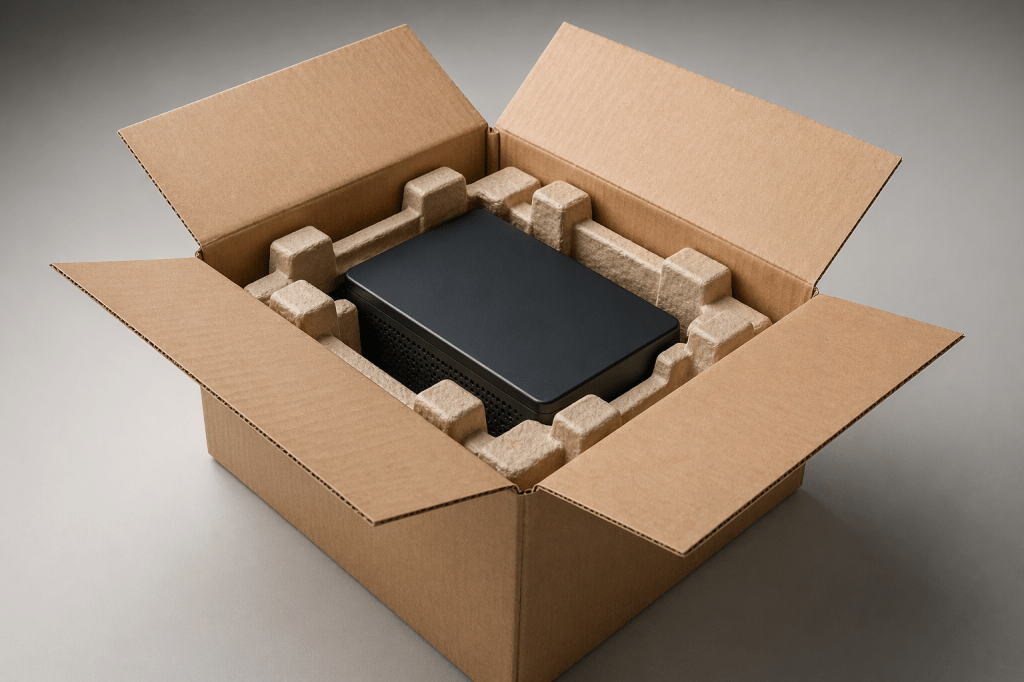
That feeling builds trust without you having to say a word.
Getting there doesn’t require anything complicated. It starts with choosing a box that matches the weight and size of what you’re shipping. It means leaving just enough room inside for support without creating empty space that allows movement. It means sealing it in a way that holds up over time, not just in the moment.
When those pieces come together, the box does what it’s supposed to do.
It protects, it holds, and it delivers the product in the condition you intended.
Most people don’t think about their shipping boxes until something goes wrong. But once you understand how much rides on that one choice, it becomes clear that it’s not just a box.
It’s the difference between a delivery that feels uncertain and one that feels right from the second it arrives.
 Proper Nestification