Many shipping problems begin with a simple mistake: using the wrong size box. It may not seem like a big issue at first. The item fits inside. The flaps close. The label goes on. But size plays a major role in protection, cost, and customer experience.
When a shipping box is too large, empty space becomes the enemy. During transit, packages are lifted, tilted, stacked, and moved quickly. If there is extra room inside, the product can shift with every motion. Each shift increases the chance of dents, cracks, or scratches. Even strong items can become damaged when they slide repeatedly inside a box.
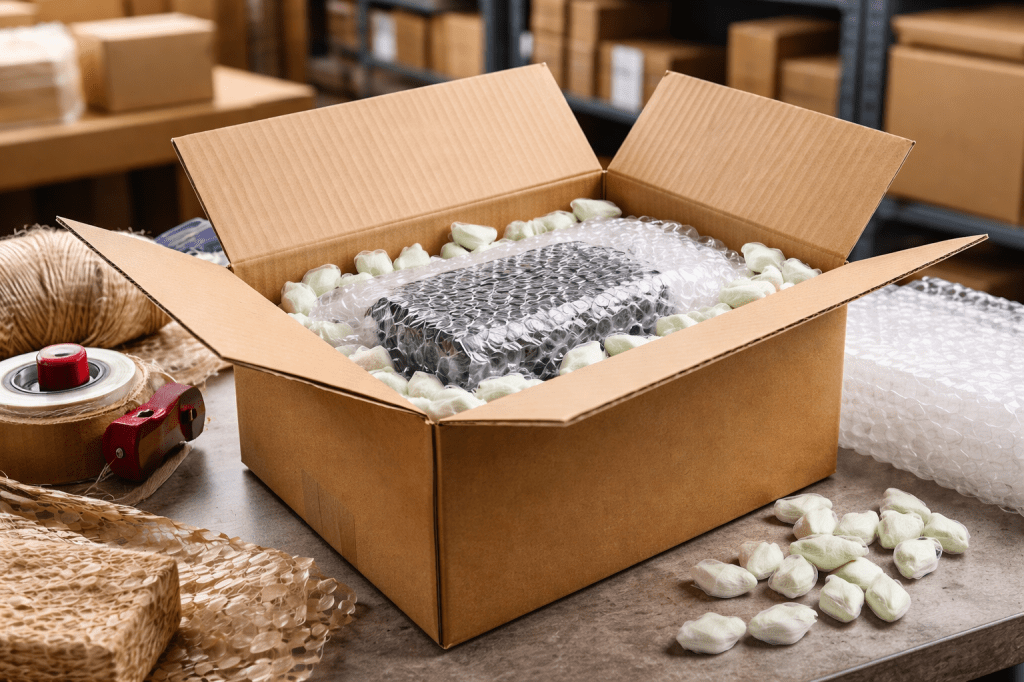
To prevent this, the product should sit inside with only enough space for cushioning. Padding such as packing paper or protective wrap should fill the remaining gaps so that the item stays in place. If you can shake the box and hear movement, it likely needs adjustment.

On the other hand, a box that is too small can also create problems. When an item is forced into tight space without room for protective material, the box walls take direct pressure. This can lead to bulging sides or split seams. Proper spacing allows for protection without putting strain on the structure.
Shipping cost is another reason size matters. Carriers often calculate rates based on dimensional weight, which means the overall size of the box affects pricing. A larger box with unused space may cost more to ship than a smaller one that holds the same product securely. Choosing a box that fits properly can help control expenses while still maintaining protection.
Strength should match size as well. Larger boxes may require thicker corrugated material to handle stacking pressure. Smaller boxes carrying heavy items also need strong walls to prevent collapse. The balance between size and strength ensures the box performs well during handling.
Storage and organization benefit from correct sizing too. Uniform box sizes stack neatly in storage areas and shipping stations. This reduces clutter and speeds up packing time. When boxes are easy to access and consistent in size, workflow becomes smoother.
Testing remains one of the most effective tools. Place the product inside the selected box with appropriate cushioning. Close and seal it. Gently shake it to confirm that nothing moves. Press lightly on the top to check for flexibility. These small checks can reveal whether the size and strength are appropriate.
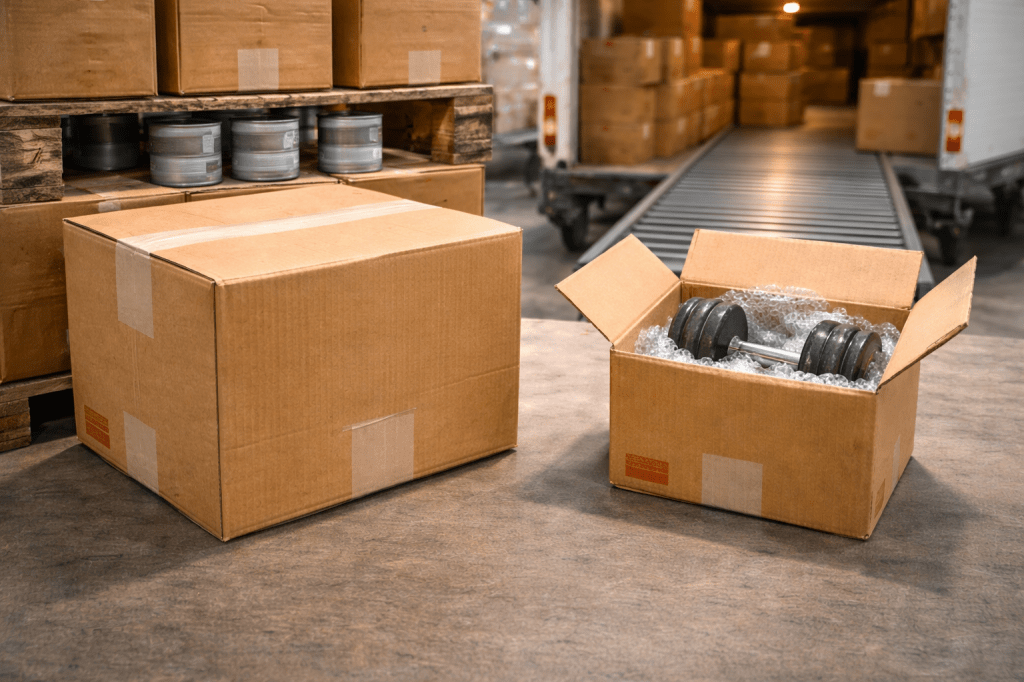
Recyclability can also influence the decision. Many standard cardboard boxes are recyclable and reusable. Choosing a well-sized box reduces the need for excessive filler materials, which can further limit waste.
Customers often judge the experience before they even see the product. A box that is far too large for a small item can feel careless. A properly sized box communicates attention to detail. It suggests that care was taken in preparing the shipment.
Shipping boxes are not one-size-fits-all solutions. Each product may require a slightly different approach based on weight, fragility, and travel distance. Taking the time to match box size to the item inside reduces damage, lowers shipping costs, and improves the overall delivery experience.
In the end, selecting the right size shipping box is about more than convenience. It is about protection, efficiency, and presentation. When the fit is correct, the journey from sender to recipient becomes far more reliable.

 Proper Nestification