Shipping problems often feel like they come from many places at once. Delays. Damage. Repacking. Customer complaints. In many cases, these issues trace back to one simple source: the shipping box.
When shipping boxes are chosen carefully and used consistently, daily operations become smoother. When they are not, small problems repeat themselves over and over.
Good shipping boxes quietly remove friction from the shipping process.
Shipping Boxes Reduce Decision Fatigue

Packing orders requires many small decisions. Which box to use. How much padding is needed. Whether the box feels strong enough.
When shipping boxes vary in size, strength, or quality, employees must stop and reassess each order. This slows packing and increases the chance of mistakes.
Using standardized shipping boxes removes that guesswork. Employees know which box to grab and how it will perform. Packing becomes routine instead of uncertain.
Fewer decisions lead to faster, more consistent packing.
Faster Packing Without Cutting Corners
Good shipping boxes speed up packing without sacrificing protection.
Boxes that fold cleanly save time. Boxes that hold their shape do not need reinforcement. Boxes that fit the product well require less filler.
When boxes perform as expected, packing stations flow smoothly. Orders move through without pauses to fix issues or add extra materials.
This efficiency compounds across many orders, saving time throughout the day.
Shipping Boxes Help Prevent Rework
Repacking costs time and materials.
When a box feels weak or poorly sized, employees may reopen it to add more padding or switch boxes entirely. This rework slows fulfillment and increases waste.
Strong, right-sized shipping boxes reduce the need for repacking. Once an order is packed and sealed, it stays that way.
Preventing rework improves productivity and reduces frustration for packing teams.
Better Boxes Mean Fewer Interruptions
Damaged shipments interrupt normal operations.
Customer service must respond. Replacement orders must be packed. Inventory must be adjusted. Each interruption pulls attention away from new orders.
Reliable shipping boxes reduce damage rates. Fewer damaged shipments mean fewer interruptions and a more predictable workflow.
Over time, this stability improves overall efficiency and morale.
Consistency Supports Scaling
As order volume grows, small inefficiencies become larger problems.
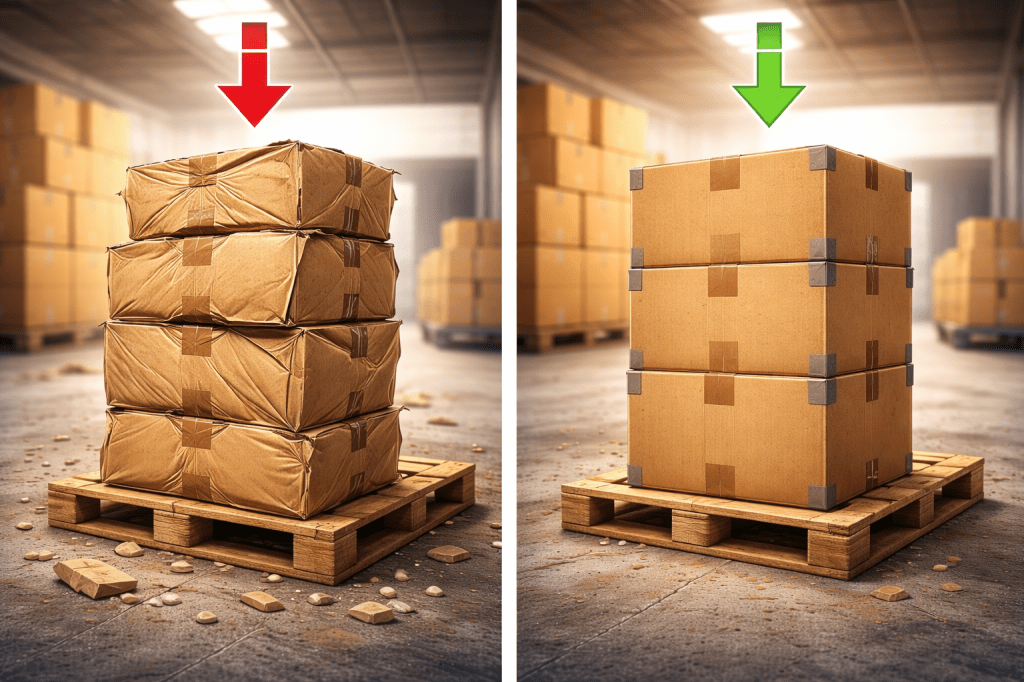
Shipping boxes that work well at low volume may fail when shipments increase. Weak boxes collapse under heavier stacking. Inconsistent box choices slow packing as teams grow.
Using dependable shipping boxes creates a foundation that supports growth. The same boxes and packing methods can be used consistently as volume increases.
This makes scaling easier and less chaotic.
Shipping Boxes and Storage Efficiency
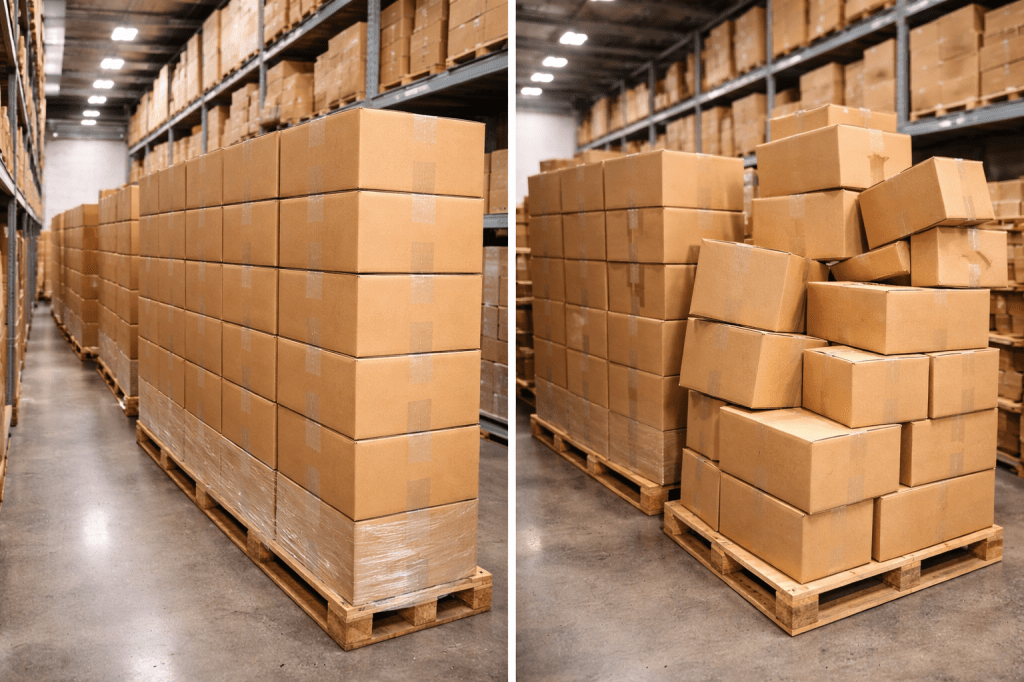
Shipping boxes also affect storage.
Boxes that stack properly make better use of warehouse space. Uniform box sizes create stable stacks and reduce the risk of collapse.
Inconsistent box shapes and strengths create uneven stacks that waste space and increase handling risk.
Well-chosen shipping boxes improve organization and safety in storage areas.
Customer Experience Benefits From Simplicity
Customers experience the results of good shipping boxes even if they never think about them.
Orders arrive intact. Boxes open cleanly. Products look cared for. These details create a positive experience without drawing attention to the packaging itself.
Customers feel confident ordering again because the delivery experience was smooth and predictable.
Shipping Boxes as a Daily Tool
Shipping boxes are used every day, often hundreds of times.
Because they are so common, their impact is easy to overlook. But when shipping boxes perform reliably, they simplify many parts of the shipping process at once.
Good shipping boxes reduce decisions, speed up packing, prevent rework, and support consistent results. They make daily operations easier by quietly doing their job.
When shipping boxes work well, shipping becomes less stressful and more efficient from the first order to the last.

 Proper Nestification