Author: Antone Royster

Packaging Supplies for Different Types of Foods

There is a wide range of different materials and products used in the food packaging. In most of the cases, the food products need to be sent to distant customers. And that makes the use of adequate amount of packaging supplies to be used for ultimate safety of products during storage and transportation. This is the reason that food packaging needs a bigger part of the budget.
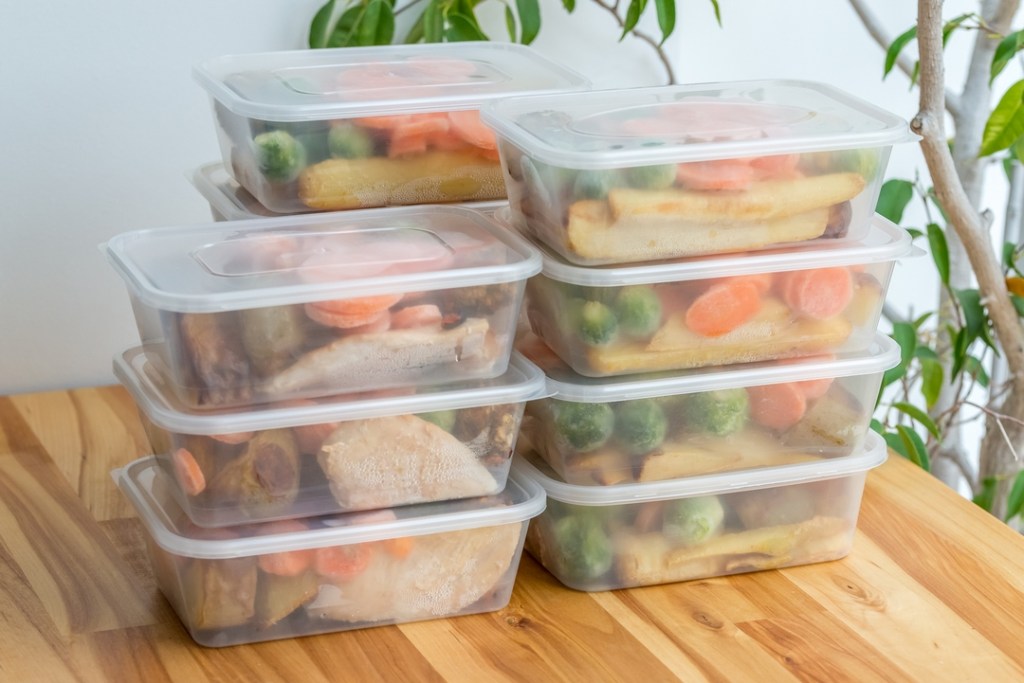
Choosing right packaging is very important because it increases shelf life of food products. With a wide scale production of food packaging products across the globe, you can expect getting food packaging supplies at discounted price. But it is not a wise approach to entirely focus on how to get cheap packaging supplies. Make sure that you are going only for the high quality food packaging supplies. Then you can negotiate over the price of items.

Now, we are going to talk about the specific packaging supplies for different food products.

Meat
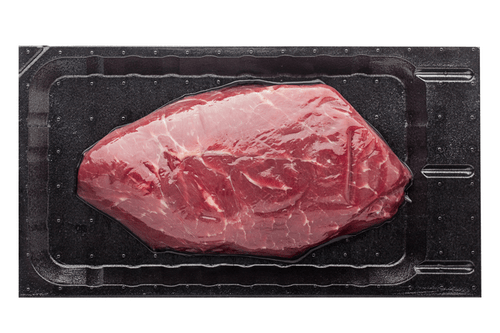
Meat packaging is an important factor that helps in better preservation of meat for a longer period of time. The most commonly used item in the meat packaging is meat wrapping film. This film is used in supermarkets, butcher shops, seafood companies, and other food packaging units across the world. The thickness levels of meat wrapping film differ, with each level being suitable for the packaging of a specifically sized meat cut.

Baked goods
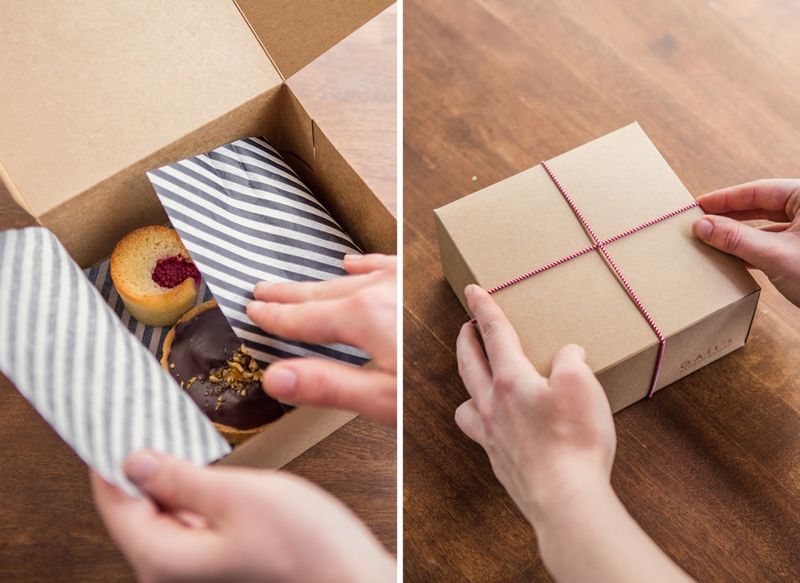
Baked good require food packaging not only for their safety but also for an effective presentation. But let’s just talk about the safety here. For the covering of dough vats, a wide range of cling wrap rolls is available.

Polyolefin bags are used for retail packaging. These bags are ideal for the packaging of breads, muffins, cupcakes, and a wide variety of baked goods.

For the storage of small items and ingredients used in the baking of goods, use of ziplock poly bags is quite an ideal option.

Candy and confections
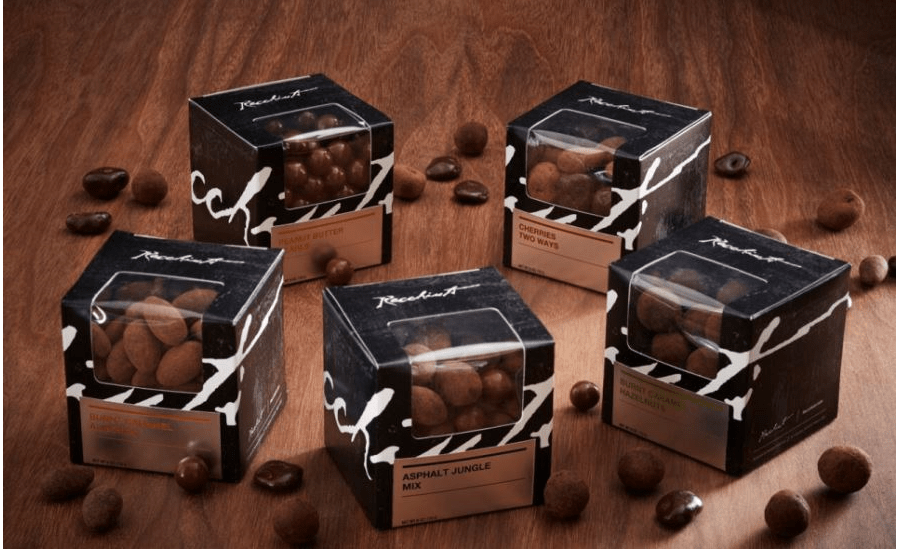
For the bulk packaging of candies and confections, small candy shops use ziplock poly bags. Freezer paper rolls are used during the production of candies. These rolls use a polyethylene coating which prevents the products from sticking to the surfaces during production process.

Cardboard candy boxes are well-known for candy packaging. They seem to serve the purpose of presentation more than anything but they are actually ideal for the better preservation of candies for a longer period of time.

Overnight food storage

Foil rolls and plastic wrap rolls are ideal to ensure better overnight food storage. These rolls are ideal for the food storage not only on domestic level but also on commercial scale.

A Brief Look at the History of Packaging

Many people think of cardboard and other cartons and containers whenever there is a discussion about packaging. But the matter of fact is that the concept of packaging is as old as mankind because it is a general requirement of humans to transport items of their needs wherever they go. This requirement prompted early humans to use crude packaging materials and designs.

In this article, we are going to talk about the packaging industry progressing from its early days towards its modernization.

Early packaging

There is no specific record available about the invention and use of very first packaging item. But according to what most of the historians agree on, the first packaging material was invented and put to use when humans were nomadic hunters and gatherers. Their general lifestyle involved consistent movement and relocation; and so they needed the devices to carry their items.

A few possible materials that early humans might have used for packaging are worth mentioning here.

  • It’s a speculation that large leaves might have been used in the development of one of the very first packaging solutions.
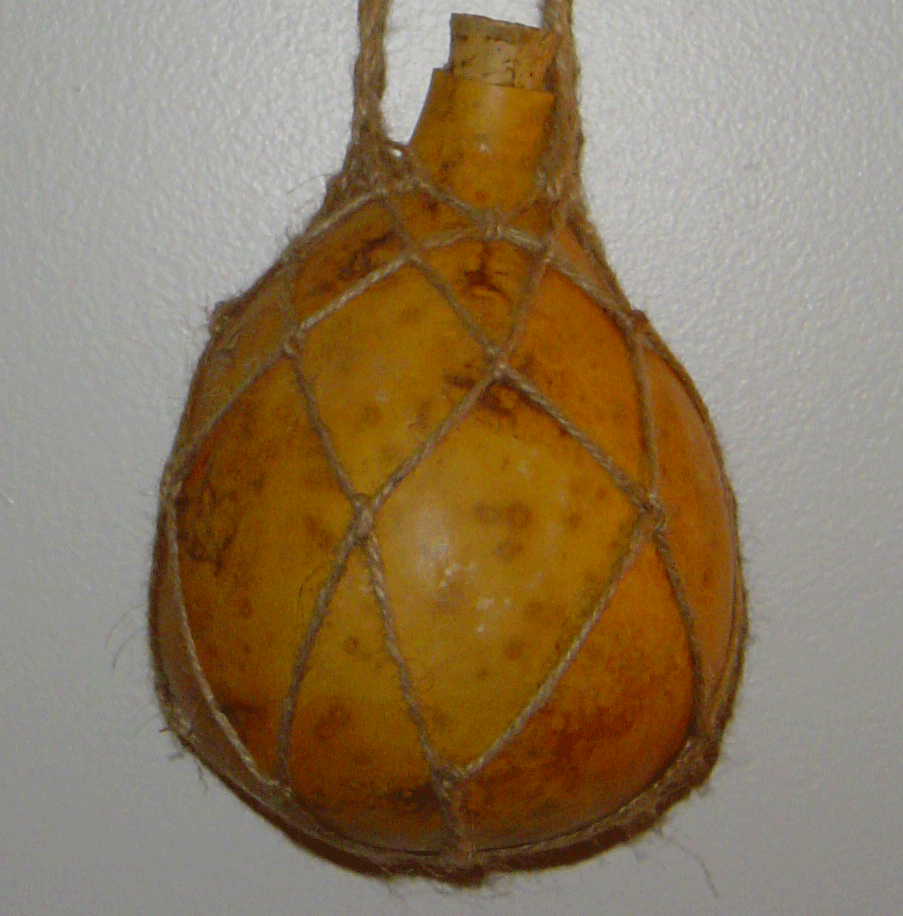
  • There is well-documented information available about the use of nuts and gourds by early civilizations for the packaging and transportation of a variety of materials.
  • Based on countless accounts, it becomes pretty evident that use of animal hides had been a popular way of storing and transporting a wide range of goods.
  • Some of the accounts suggest that hollowed out wood had been one of the ways to store many different goods.

Domesticated Village Packaging Advancements

Advancements in colonization led to the development of villages which were larger communities. This improved lifestyle helped people to work in collaboration in order to bring further advancements. Evolution in packaging was one of such advancements. Different varieties of materials were produced for the packaging of different types of items.

  • Plant-based woven sacks and baskets got into the mainstream use for the storage and transportation of different types of items.
  • The concept of wooden crates arose in that era.
  • Animal skin started being used for the construction of containers of different types.
  • Clay containers were used for the storage of dry items.

The establishment of cities

Establishment of bigger communities resulted in the development of cities which were characterized with innovation in the infrastructure as well as manufacturing. With availability of supplies to different regions, the packaging procedures became conventionally commercialized because it was the only way for the safe storage and transportation of goods between regions.

One of the items used for packaging in this regard is the blown glass. Craftsmen used to mold glass to form containers of different shapes. It was a heavier packaging solution but it got popular due to its plenty benefits.

Wooden barrels were also being used in the same time period. According to what many historians believe, wooden barrels were derived from ship making. To bring those wooden pieces into the shape of barrels, craftsmen would use steam for the molding of wood. It was a slow process but the barrels became available in larger amounts once the manufacturing became commercialized.

With the fall of Rome, innovations and inventions became stagnant in Europe. However, contribution in the packaging innovation kept coming in from other regions of the world. China started using paper for the development of packaging materials. This use of paper can be regarded as the foundation of modern packaging.

Modern packaging

Modern packaging came into existence as a result of industrial revolution. The reason we call it industrial revolution is that the work of human hand was reduced, and machines were handed over those repetitive tasks. The consistent development and use of innovative procedures has led us to use different types of packaging materials. It include food packaging storage and transportation bags, bins and variety of packaging solution including primary packaging materials, and in-store packaging options.

Stop Damaged Shipments

Few things frustrate a business owner more than hearing that a product arrived damaged. The item left the warehouse in perfect condition, yet by the time it reached the customer it was bent, cracked, or scratched. Many times, the product itself is not the problem. The real issue is the shipping box that carried it.

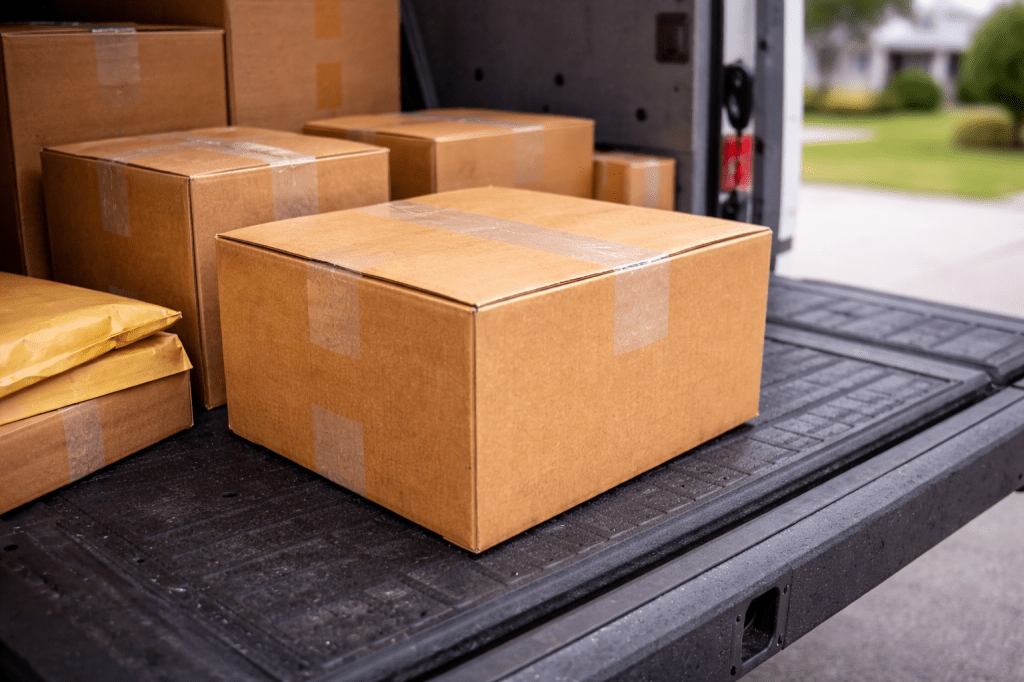
Shipping boxes are more than simple containers. They act as the outer shield for the product during its entire journey. Packages travel through busy sorting centers, slide across conveyor belts, and spend hours inside delivery trucks. During this process they may be stacked under other packages or moved quickly from one place to another. Without strong shipping boxes, the items inside can experience a surprising amount of pressure and movement.

A common question business ask is how shipping boxes help prevent damaged deliveries. The answer begins with strength. Corrugated shipping boxes are designed to handle the bumps and weight that happen during shipping. Their layered structure adds durability without making the box too heavy. This balance of strength and light weight makes corrugated boxes one of the most widely used packaging solutions.

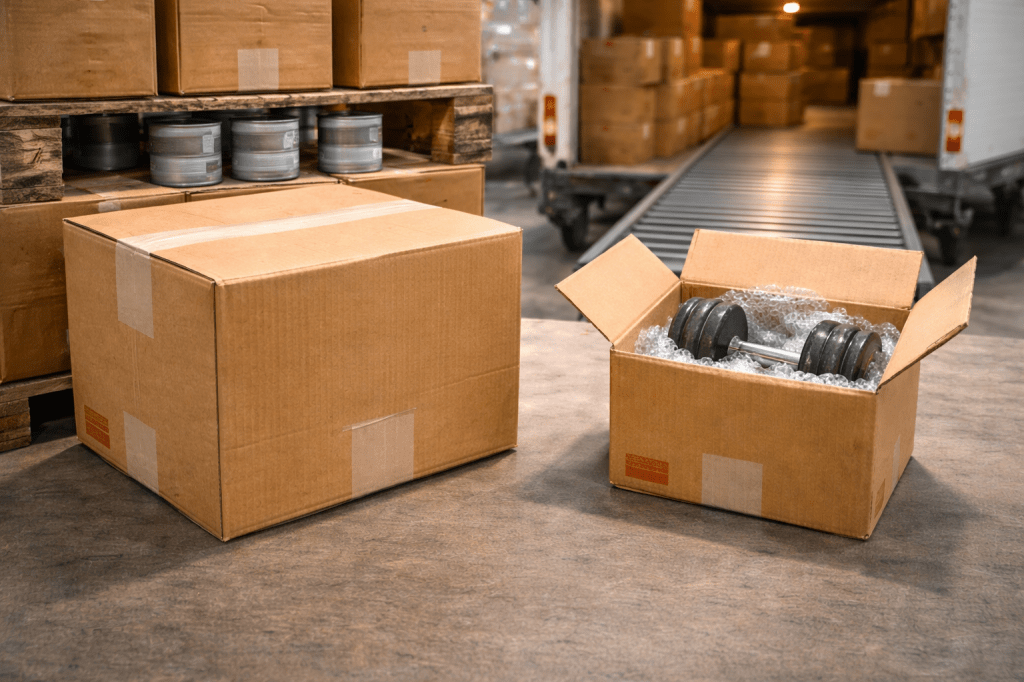
Another important factor is how the box fits the product. When an item has too much empty space inside the box, it can slide during transit. Each movement increases the chance that the item will strike the side of the box. Over time, repeated contact can lead to cracks or dents. A properly sized shipping box helps hold the product in place so it remains stable during the trip.

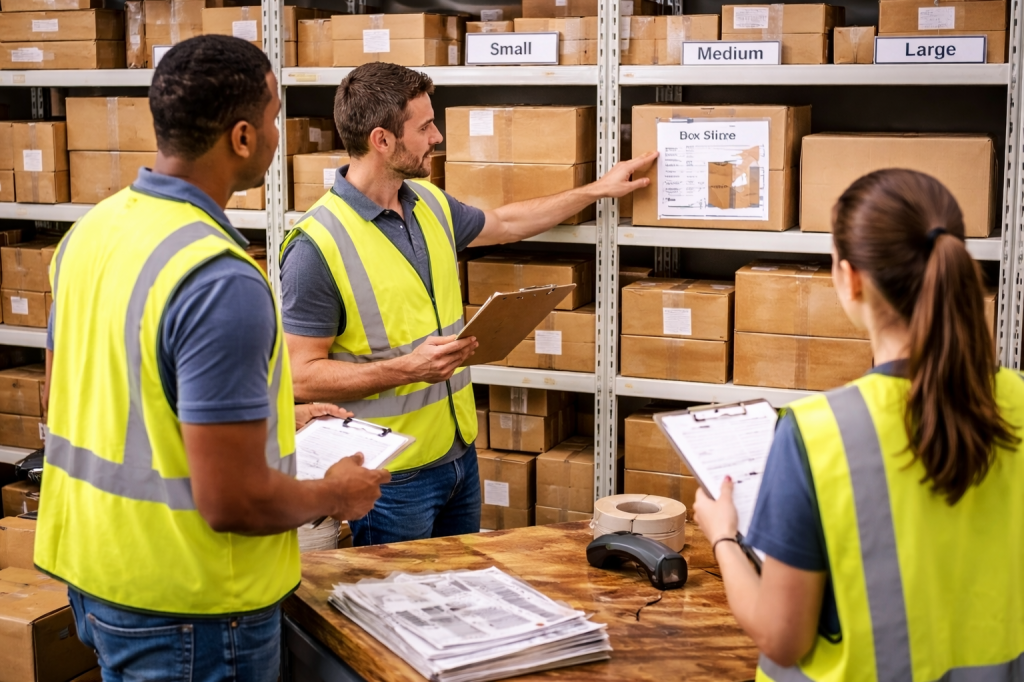
Many businesses also wonder how shipping boxes influence packing speed. When workers have access to the right box sizes, the packing process becomes much smoother. Instead of searching for a box that might fit, they can quickly choose the correct one. Orders move through the packing station more efficiently, helping businesses keep up with growing demand.

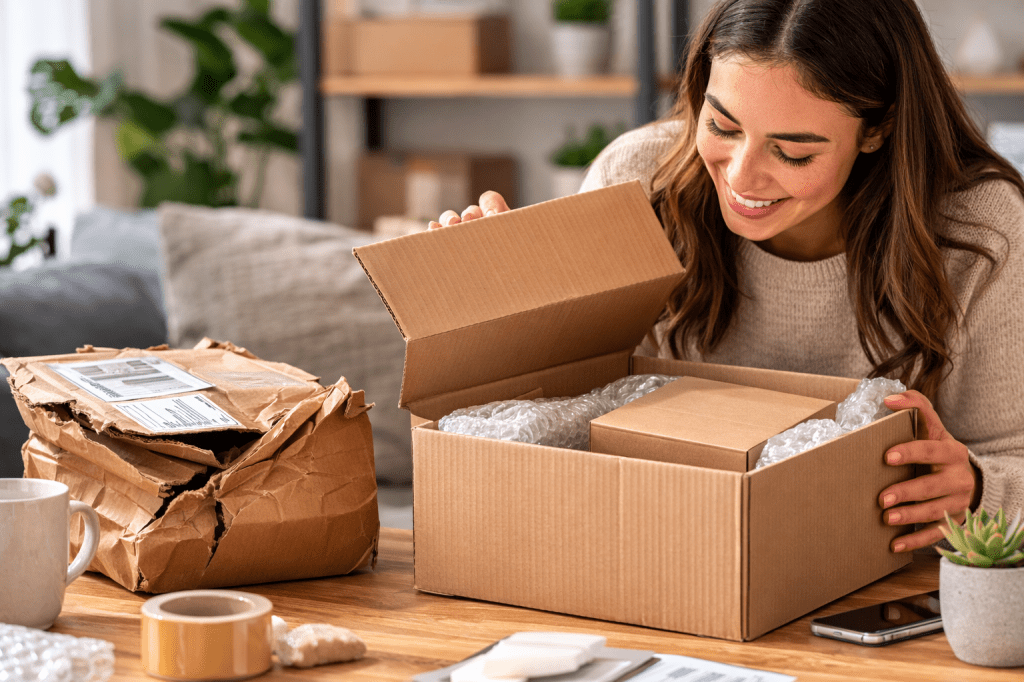
Shipping boxes also contribute to the customer’s first impression when a package arrives. Imagine receiving a box that feels weak or crushed before it is even opened. The experience can create worry about what might be inside. On the other hand, a strong shipping box that holds its shape signals that the contents were protected during transit. That feeling builds trust between the business and the buyer.

Another reason shipping boxes matter is their role in shipping costs. Carriers often calculate shipping rates based on both weight and size. Using boxes that match the product helps avoid paying for unused space. This practical approach allows businesses to control shipping expenses while still protecting their items.

Environmental responsibility is also becoming part of the conversation around shipping boxes. Many corrugated boxes are recyclable, which helps reduce waste after the package is opened. Customers often appreciate packaging that can be easily recycled rather than thrown away.

Understanding shipping boxes is an important step for any business that ships products. The box may seem like a simple part of the process, but it quietly protects each order during a journey that may involve many miles and several handling points.

When the right shipping boxes are chosen, products stay secure, packing becomes easier, and customers receive their orders exactly as expected. In the world of shipping, a dependable box can make the difference between a damaged delivery and a satisfied customer who looks forward to ordering again.

How boxes protect more than products


A box might look simply, but it does a very big job. Every time a package leaves a store or warehouse, the box carries more than just the item inside. It carries protection, trust, and even a message to the person who will open it. Choosing the right shipping box can make a huge difference for both businesses and customers.


Packages travel a long way before they reach their destination. They ride on trucks, move on conveyor belts, and sit in warehouses. Along the way, boxes bump into each other, get dropped, or are stacked on top of heavy packages. A weak box can bend, tear, or crush. That is why strong boxes are so important. 

They keep the items inside safe and prevent accidents.
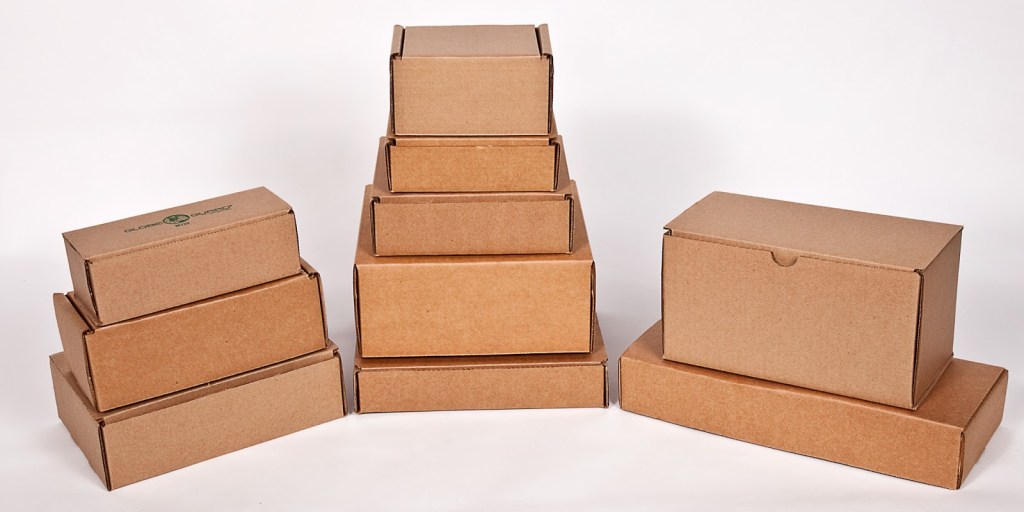
Boxes come in many sizes and strengths. Small boxes are perfect for light items, like clothes or books. Medium and large boxes are better for heavier items or sets of products. Double-wall boxes are especially good for fragile or heavy items. Choosing the right box helps prevent damage, keeps shipping costs lower, and makes sure the item arrives in perfect condition.


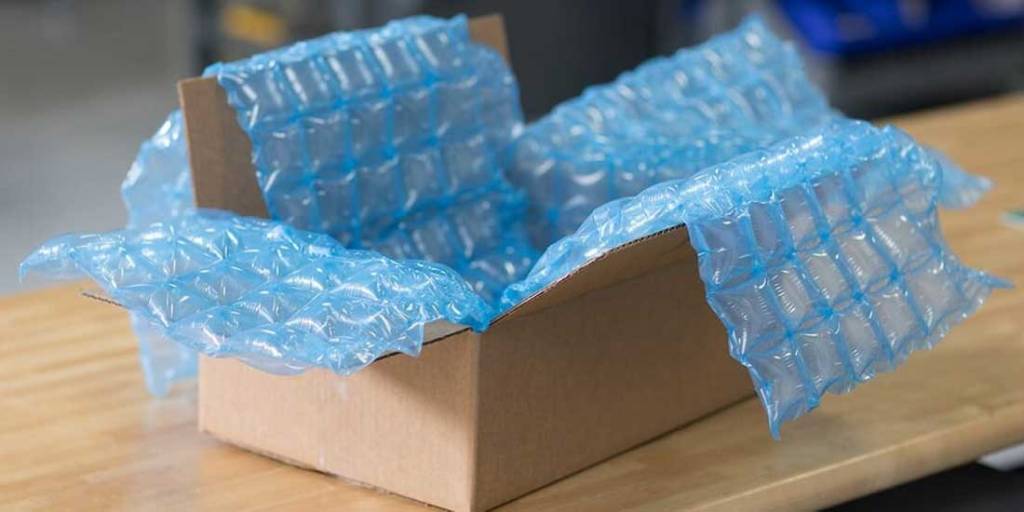
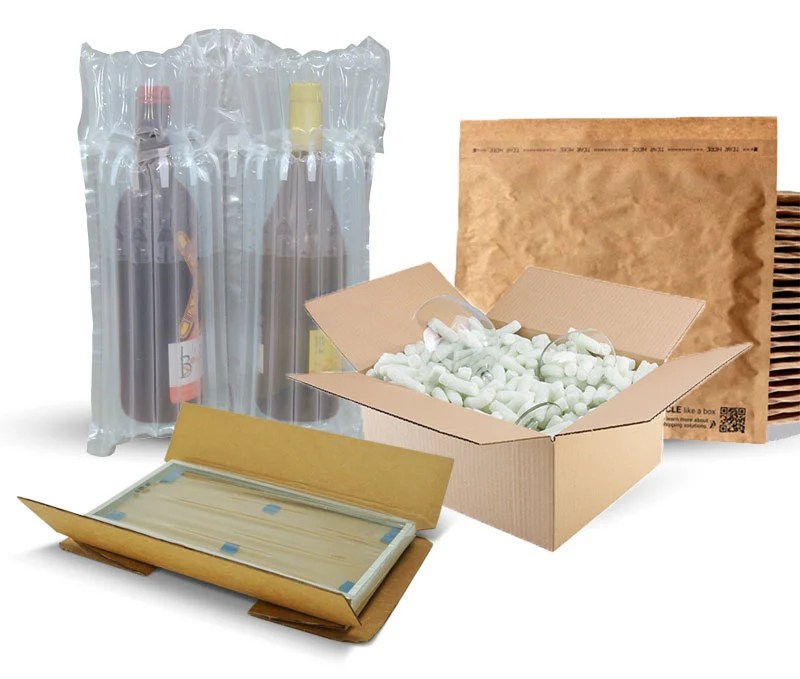
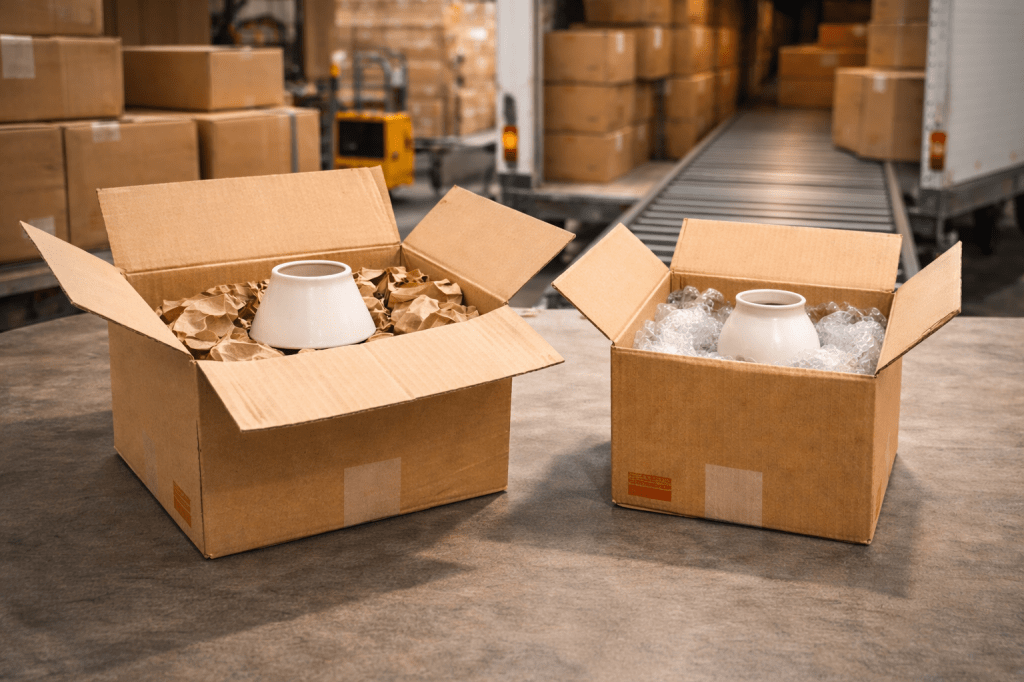
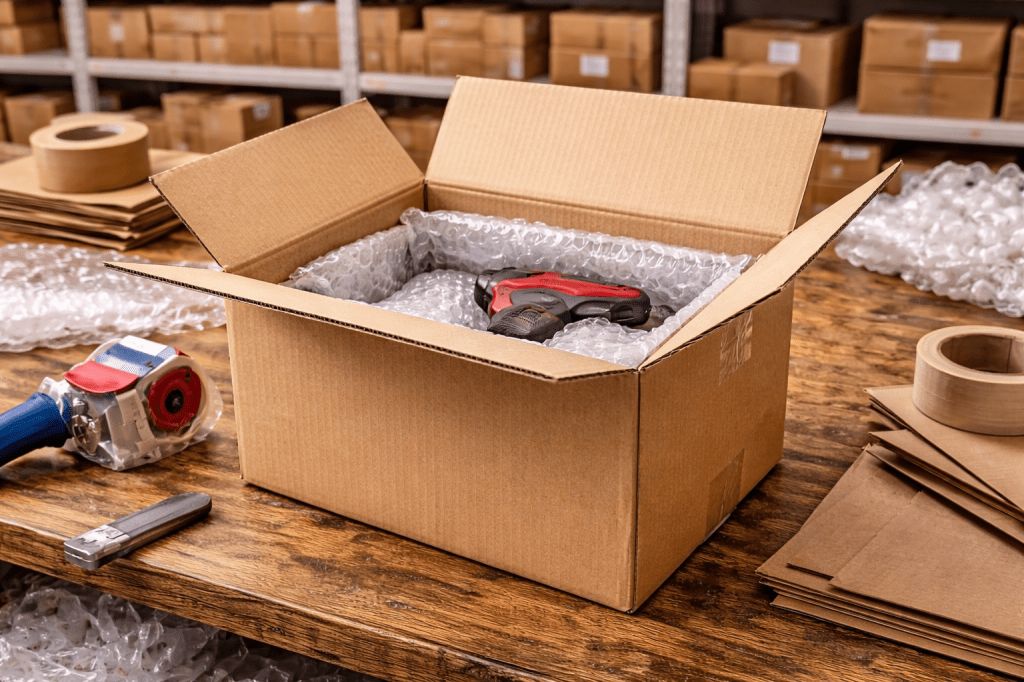
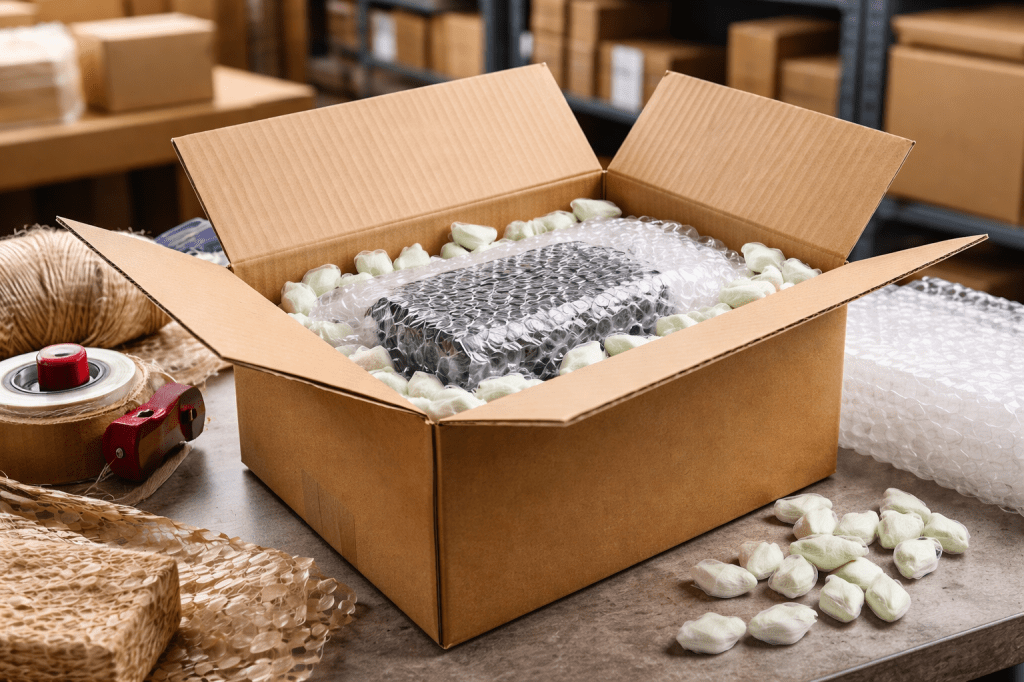
Padding inside the box adds another layer of protection. Bubble wrap, foam peanuts, or crumpled paper can stop items from moving around. Even small items, like mugs or jewelry, can survive a long trip if they are wrapped and placed carefully. Without padding, even a short trip can break something.


Tape is more important than many people think. Cheap tape can peel off or tear, causing the box to open during shipping. Strong packing tape keeps the box closed no matter how rough the trip is. A box that opens on the way can ruin the product inside and make the customer very unhappy.


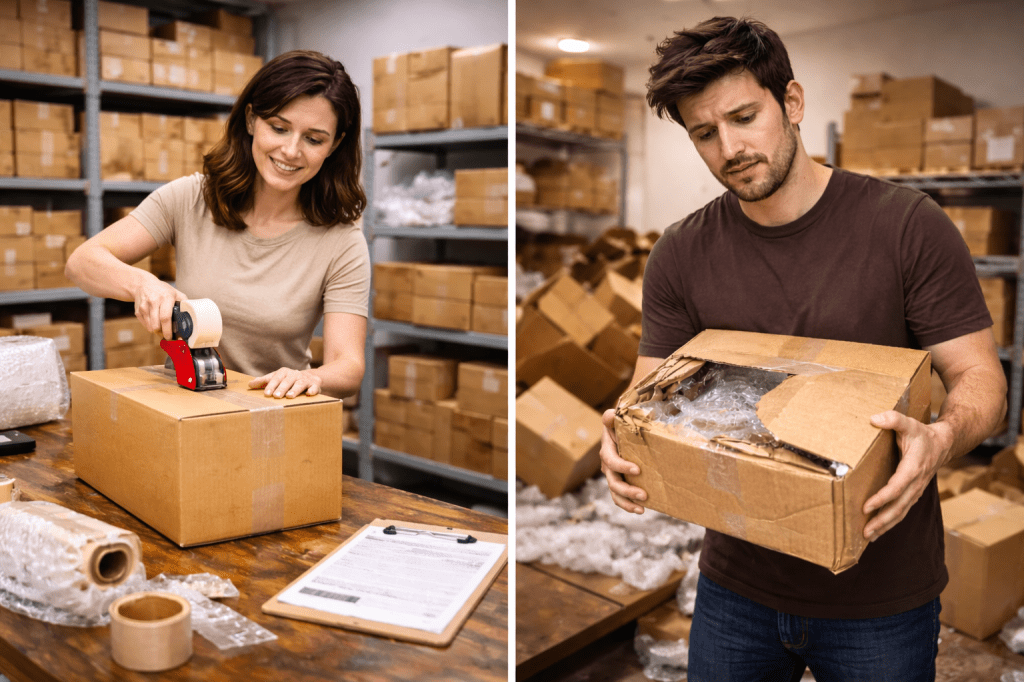
Boxes also send a message to the customer. A clean, sturdy, and well-taped box shows that the business cares about their order. It makes unboxing a happy experience. Broken or sloppy boxes make customers feel disappointed and worried. People remember how the box made them feel more than the product itself sometimes.


The right box can also save money for the business. Using a box that is too big wastes shipping space and costs more. Using a box that is too small can lead to damaged products and returns. Picking the right size and strength keeps shipping costs lower and prevents problems before they happen.


Even small details matter. A box that is taped neatly, filled properly, and clean looks professional. It creates trust and confidence. Customers are more likely to come back and order again when they have a good experience. They might even tell friends about the business.


In the end, shipping boxes do more than hold products. They protect items, save money, and build customer trust. Every package that arrives safely makes a customer feel happy and cared for. Choosing the right box is a small step that can make a big difference.
A strong, well-packed box is like a promise kept. It tells the customer, “We care about your order and we want it to arrive safely.” And that promise matters more than anything inside the box.

Are You Using the Wrong Size?

Many shipping problems begin with a simple mistake: using the wrong size box. It may not seem like a big issue at first. The item fits inside. The flaps close. The label goes on. But size plays a major role in protection, cost, and customer experience.

When a shipping box is too large, empty space becomes the enemy. During transit, packages are lifted, tilted, stacked, and moved quickly. If there is extra room inside, the product can shift with every motion. Each shift increases the chance of dents, cracks, or scratches. Even strong items can become damaged when they slide repeatedly inside a box.

To prevent this, the product should sit inside with only enough space for cushioning. Padding such as packing paper or protective wrap should fill the remaining gaps so that the item stays in place. If you can shake the box and hear movement, it likely needs adjustment.

On the other hand, a box that is too small can also create problems. When an item is forced into tight space without room for protective material, the box walls take direct pressure. This can lead to bulging sides or split seams. Proper spacing allows for protection without putting strain on the structure.

Shipping cost is another reason size matters. Carriers often calculate rates based on dimensional weight, which means the overall size of the box affects pricing. A larger box with unused space may cost more to ship than a smaller one that holds the same product securely. Choosing a box that fits properly can help control expenses while still maintaining protection.

Strength should match size as well. Larger boxes may require thicker corrugated material to handle stacking pressure. Smaller boxes carrying heavy items also need strong walls to prevent collapse. The balance between size and strength ensures the box performs well during handling.

Storage and organization benefit from correct sizing too. Uniform box sizes stack neatly in storage areas and shipping stations. This reduces clutter and speeds up packing time. When boxes are easy to access and consistent in size, workflow becomes smoother.

Testing remains one of the most effective tools. Place the product inside the selected box with appropriate cushioning. Close and seal it. Gently shake it to confirm that nothing moves. Press lightly on the top to check for flexibility. These small checks can reveal whether the size and strength are appropriate.

Recyclability can also influence the decision. Many standard cardboard boxes are recyclable and reusable. Choosing a well-sized box reduces the need for excessive filler materials, which can further limit waste.

Customers often judge the experience before they even see the product. A box that is far too large for a small item can feel careless. A properly sized box communicates attention to detail. It suggests that care was taken in preparing the shipment.

Shipping boxes are not one-size-fits-all solutions. Each product may require a slightly different approach based on weight, fragility, and travel distance. Taking the time to match box size to the item inside reduces damage, lowers shipping costs, and improves the overall delivery experience.

In the end, selecting the right size shipping box is about more than convenience. It is about protection, efficiency, and presentation. When the fit is correct, the journey from sender to recipient becomes far more reliable.

How Good Shipping Boxes Make Shipping Easier Every Day

Shipping problems often feel like they come from many places at once. Delays. Damage. Repacking. Customer complaints. In many cases, these issues trace back to one simple source: the shipping box.

When shipping boxes are chosen carefully and used consistently, daily operations become smoother. When they are not, small problems repeat themselves over and over.

Good shipping boxes quietly remove friction from the shipping process.

Shipping Boxes Reduce Decision Fatigue

Packing orders requires many small decisions. Which box to use. How much padding is needed. Whether the box feels strong enough.

When shipping boxes vary in size, strength, or quality, employees must stop and reassess each order. This slows packing and increases the chance of mistakes.

Using standardized shipping boxes removes that guesswork. Employees know which box to grab and how it will perform. Packing becomes routine instead of uncertain.

Fewer decisions lead to faster, more consistent packing.

Faster Packing Without Cutting Corners

Good shipping boxes speed up packing without sacrificing protection.

Boxes that fold cleanly save time. Boxes that hold their shape do not need reinforcement. Boxes that fit the product well require less filler.

When boxes perform as expected, packing stations flow smoothly. Orders move through without pauses to fix issues or add extra materials.

This efficiency compounds across many orders, saving time throughout the day.

Shipping Boxes Help Prevent Rework

Repacking costs time and materials.

When a box feels weak or poorly sized, employees may reopen it to add more padding or switch boxes entirely. This rework slows fulfillment and increases waste.

Strong, right-sized shipping boxes reduce the need for repacking. Once an order is packed and sealed, it stays that way.

Preventing rework improves productivity and reduces frustration for packing teams.

Better Boxes Mean Fewer Interruptions

Damaged shipments interrupt normal operations.

Customer service must respond. Replacement orders must be packed. Inventory must be adjusted. Each interruption pulls attention away from new orders.

Reliable shipping boxes reduce damage rates. Fewer damaged shipments mean fewer interruptions and a more predictable workflow.

Over time, this stability improves overall efficiency and morale.

Consistency Supports Scaling

As order volume grows, small inefficiencies become larger problems.

Shipping boxes that work well at low volume may fail when shipments increase. Weak boxes collapse under heavier stacking. Inconsistent box choices slow packing as teams grow.

Using dependable shipping boxes creates a foundation that supports growth. The same boxes and packing methods can be used consistently as volume increases.

This makes scaling easier and less chaotic.

Shipping Boxes and Storage Efficiency

Shipping boxes also affect storage.

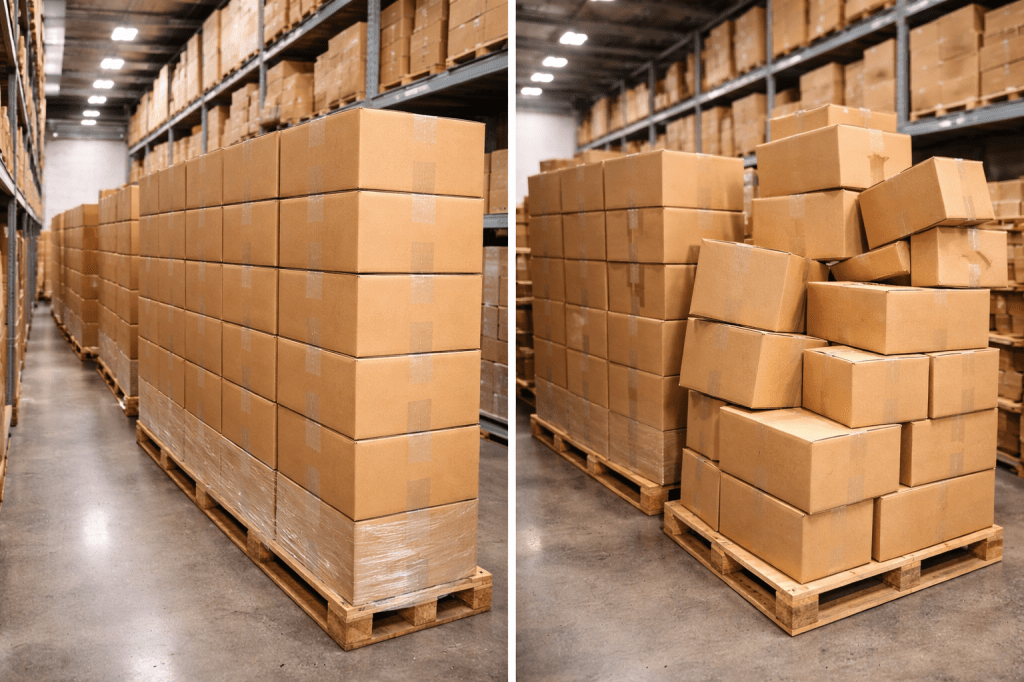
Boxes that stack properly make better use of warehouse space. Uniform box sizes create stable stacks and reduce the risk of collapse.

Inconsistent box shapes and strengths create uneven stacks that waste space and increase handling risk.

Well-chosen shipping boxes improve organization and safety in storage areas.

Customer Experience Benefits From Simplicity

Customers experience the results of good shipping boxes even if they never think about them.

Orders arrive intact. Boxes open cleanly. Products look cared for. These details create a positive experience without drawing attention to the packaging itself.

Customers feel confident ordering again because the delivery experience was smooth and predictable.

Shipping Boxes as a Daily Tool

Shipping boxes are used every day, often hundreds of times.

Because they are so common, their impact is easy to overlook. But when shipping boxes perform reliably, they simplify many parts of the shipping process at once.

Good shipping boxes reduce decisions, speed up packing, prevent rework, and support consistent results. They make daily operations easier by quietly doing their job.

When shipping boxes work well, shipping becomes less stressful and more efficient from the first order to the last.

What to Look for Point of Purchase Displays 

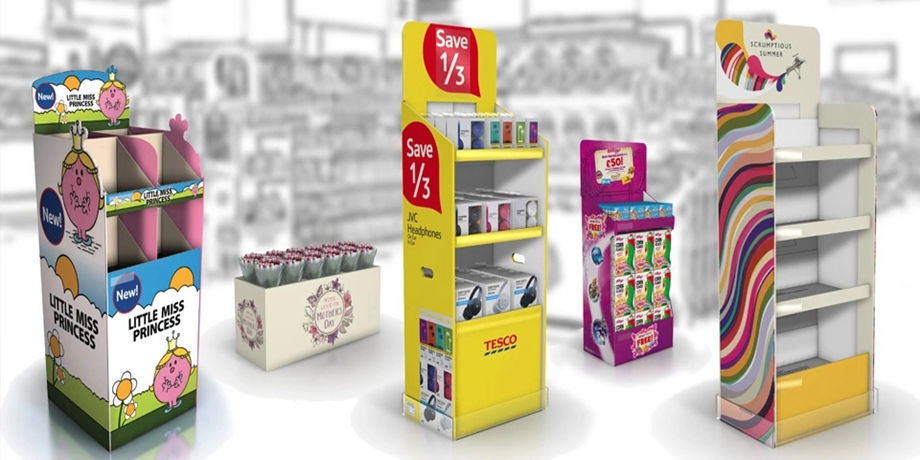
Point of purchase or POP displays are great for showing your retail marketing, capturing more attention, and offering better, higher sales, but you also want to make sure that you have a display that shows everything that you want. If it doesn’t do the job, it can damage the opinions that customers have about you. Here is what you should look for in POP displays, in order to ensure that you’re meeting the needs that are there. 

The Structure 

The right structure is the first step to this. Working with a company that has engineers that are established to help, will ensure that the displays are intact even when others are shopping and in stores too. You need to look at the International Safe Transit Association to look at packaging guidelines too. The ISTA another kinds of testing will also make sure that the products are supported correctly even in stores, and also reduces the risk of damage to the product as well. A POP display that is structurally designed will be easy to put together, take down, and even refresh whenever new and immersive campaigns come about. The base of this does last a long time too, which makes packaging even better for you as well. 

The visuals 

You also want something that definitely looks to be a good representation of what the brand has too. You want to look at different teams to see if something will work with the next display that’s there. You want to make sure you look at the visual expertise too, in order to properly bring life to the new packaging that’s there too. 

Printing capabilities are essential for the proper packaging to capture attention. Flexo, digital printing, and even color matching and the correct placement along with consistency is something that is essential to the correct displays. Choosing the right POP display maker is essential for ensuring that the printing mistakes are minimal, and to ensure that both processes and the final products also are good too. Plus, the right packaging company can put the designs in, and the right methods that’ll be useful to fulfill these. 

Functionality 

Being able to move this around and offer ease of space is vital for long-lasting kinds of displays. A display which is well-structured is one that should be placed together, taken down, and also can be repurposed quite easily, and giving you the best ROI possible. Dips: lays that consist of different pieces which are simple to place together, carry, ship, and take apart saves you a ton of money in the long haul. 

Using well-designed piece also improves the fulfillment that happens with stores, and it gets everything out there a lot better too. Creating the proper displays with the right guidelines that keep everything in proper condition is something that lets you display everything on all fronts too. 

Recyclability 

Finally, you want the POP to be made of recycled materials that are useful because of packing. Because of this, companies that use corrugated types of displays and packaging will offer a more eco-friendly consumer experience than those that just use single-use plastic and whatnot. 

Working with the right manufacturer is ideal too since the corrugated materials is very strong and recycled. The strength also means it lasts a long time, giving it a better cycle, and a much larger chance of offering value in sales than the cost f this too. This helps to create value for the company via ROI, and for the customers that align too with the initiatives that are sustainable.

A Shipping Box Is a Structural Tool

A shipping box is not just a container. It is a piece of structure.

Once a package leaves the building, the box becomes the only thing holding everything together. It carries weight, absorbs impact, and protects against pressure from every side. When a box fails, it usually means it was asked to do more than it was built for.

One of the most misunderstood parts of shipping boxes is strength. Many people judge a box by how thick it feels. Thickness matters, but structure matters more. The way the box is designed, folded, and sealed affects how well it holds up under load.

Boxes that lose their shape under pressure often cause damage even if they don’t fully collapse. A slight bow in the side can shift weight inside. Corners that soften can allow stacking pressure to transfer directly to the product. These issues are subtle, but they happen often during transit.

Shipping boxes also need to match how they will be handled. Some shipments travel long distances and go through multiple facilities. Others move quickly and stay local. A box that works for one route may not work for another. When box choice doesn’t account for handling, failure rates rise.

Another issue is sealing. Even a strong box can fail if it isn’t sealed correctly. When flaps don’t align or tape doesn’t bond properly, the structure weakens. The box may look fine at pickup but open under stress later on.

Standard box sizes play a role here. When products are consistently packed in the same box, sealing becomes routine. The tape hits the same spots every time. Flaps sit flush. This consistency improves strength without adding material.

There’s also a balance between strength and efficiency. Overbuilt boxes cost more and weigh more. Underbuilt boxes risk damage. The goal is not to use the strongest box available, but the strongest box that makes sense for the product.

Shipping boxes influence packing speed in subtle ways. Boxes that square easily and stay rigid reduce adjustment time. Packers don’t have to push sides into place or fight warped flaps. Over hundreds of orders, this saves real time.

Damage investigations often lead back to box selection. Products that arrive broken may have been packed carefully, but the box wasn’t designed to handle stacking or impact. Without the right box, even good packing can fail.

Customers experience the box before anything else. A firm, clean box creates confidence. A soft or misshapen box creates concern. Even before opening, customers form an opinion about the shipment and the business behind it.

As shipping environments become more automated, boxes face more mechanical handling. Conveyors, drops, and automated sorting systems are less forgiving than manual handling. Shipping boxes must be chosen with these realities in mind.

Shipping boxes don’t need to be complicated, but they do need to be appropriate. When they are, they quietly do their job. When they aren’t, problems show up later in damage reports and customer complaints.

A shipping box is a structural tool. When it’s treated that way, shipping becomes more reliable and predictable.

Why plastic boxes are not good

There are so many different kinds of shipping boxes in today’s world it can be hard to determine what the best will be for your company or personal use. In my opinion, stay away from plastic boxes as they are not suitable for the environment, and the support they provide is just as good as an expensive cardboard box or cheap wooden box. I personally do not support the making of these boxes as the production of them has a drastic effect on the environment we live in. if nothing is done about all the carbon emissions and mining of fossil fuels, then who knows what our world will look like in a few years time. 

The manufacturing process of plastic is very harmful to the environment. To make plastic, a lot of chemicals go into the process. Not only are a lot of chemicals being used to make plastic but also a lot of crude oil or fossil fuels. These fossil fuels are quickly depleting, and soon we may not have any left. The burning of these chemicals is also very bad for the environment. These factories are burning up these chemicals snd then releasing them into the atmosphere via waste or smoke. I personally do not support the manufacturing of plastic in general because of how much it hurts the environment. I realize there is not an alternative for plastic, but I feel that we should begin working towards one to help reduce carbon emissions and recuse the damage being done to the environment. 

I believe that if all shipping companies shift to cardboard packaging, then the damage that is being done to the environment will be reduced. The process of making cardboard is an easy one, and the process does not hurt the environment as much as plastic production does. The good thing about making cardboard is that the materials that are required for it can be renewed. A tree is needed to make a good amount of boxes, whereas crude oil is required in order to for the production of plastic. Crude oil is a nonrenewable resource that can not be made. It would be a good idea to reduce on the amount of crude oil used in the world as there are more important things that need this resource. 

Plastic boxes for shipping are not the best because they are flimsy like cardboard but also sturdy like wooden boxes kind of. Due to the fact that it is made of plastic, it can not be easily recycled like wood or cardboard. I think that all companies should switch to either cardboard or wooden boxes as these resources required to make these boxes can be renewed by simply planning a new tree. I believe that it would be an easy task for loggers to plant a tree after they cut one down. That way, they are not killing the environment. 

As I mentioned, I do not support the production of plastic. It has a drastic effect on the environment that is damaging. I would hope to see in the future that plastic gets replaced by a different type of shipping box. Most companies use cardboard boxes or wooden boxes, but for the few different ones who feel the need to use plastic, I hope they stop and realize the damage they are doing to the environment. 

The Box That Protects Your Product… and Your Reputation

A lot of business owners don’t realize how closely their reputation is tied to something as simple as a shipping box. They think their product speaks for itself once it arrives in the customer’s hands. But the truth is, the customer forms an opinion long before they ever see what’s inside. The moment they pick up the box—whether it feels strong or weak, clean or messy, tight or sloppy—shapes how they feel about your business. And those feelings stay with them long after the package is opened.

Picture a customer lifting a box that looks worn out before they even touch the tape. The corners are dented. The sides are bowed. The box feels soft in places where it should feel firm. Even if the product inside is safe, the customer’s trust is already shaken. They start wondering if something went wrong along the way. They brace themselves for disappointment. It’s not because they want to complain—it’s because the box told a story of stress, rough handling, and careless preparation.

Now imagine the opposite experience. The customer walks up to their porch and picks up a box that looks steady and clean. The cardboard feels firm. The seams are crisp. The tape is sealed tight with no peeling, wrinkling, or gaps. When they lift it, the weight feels centered. Nothing shifts or rolls around. Before the customer ever cuts the tape, they feel confident. They feel respected. They feel like they ordered from a company that takes its work seriously.

This difference doesn’t happen by accident. It happens because the business chose the right shipping boxes—boxes strong enough to survive the journey, boxes sized correctly for the product, boxes dependable enough to carry your reputation all the way to the customer’s door. When your team reaches for a box that actually matches the item they’re shipping, everything becomes easier. The product fits naturally. The padding stays where it belongs. The tape holds cleanly. There’s no tension or guessing or hoping the box will make it through the process.

During transport, a strong box protects more than just the item inside. It protects your brand. It carries your business name through stacked trucks, conveyor belts, delivery vans, and rough weather. Every bump it survives is one less customer service call you’ll have to answer. Every corner it keeps intact is a moment of professionalism the customer will notice—even if they don’t say anything aloud.

But the benefits don’t end with the customer’s experience. Using the right shipping boxes also makes your internal operation smoother. Your team doesn’t have to waste time reinforcing weak cartons or trying to force products into boxes that don’t fit. They don’t have to add triple layers of tape or mountains of filler just to feel safe. Packing becomes a steady rhythm instead of a stressful guessing game. This kind of flow saves time, energy, and money every single day.

There’s also a practical advantage to using boxes made from recycled or responsibly sourced materials. Stronger recycled boards today perform just as well—sometimes better—than older materials. They help reduce waste, limit returns, and show customers that you take stewardship seriously without making a big show out of it. It’s a simple, quiet way to run a smarter operation.

When customers open a package and find their product in perfect shape, they feel something powerful: relief. Relief that everything went right. Relief that their money was well spent. Relief that they can trust your business. That relief turns into repeat orders, referrals, and long-term loyalty.

A shipping box may seem like a small part of your business, but it carries a big responsibility. It protects your product, your profit, and most importantly, your reputation. When the box does its job well, the customer sees your business the way you hope they will—steady, thoughtful, and trustworthy from the very first moment they pick it up.