Tag: business

Optimizing the Ecommerce Packaging for Tariffs in Shipping 

Understanding your tariffs is important, especially if you ship in the UK. This is determined by the size and weight of the package, and different couriers will actually have different pricing and criteria. 

This is a tariff that isn’t just the costs based on packages, but also influences the decisions for operation, especially distribution and management of stock.

Analysis of the different Tariff Structuring 

Every courier does have unique structures for their tariffs. 

Royal mail for instance is influenced primarily by the weight and size, with specific categories for small parcels, letters, and bigger packages. 

The DPD does focus on the dimensions and weight, but there is a maximum limit to help accommodate the logistics. 

UPS caters to an overall global market and has a very comprehensive system. It does accommodate larger and heavier packages. However, there are restrictions on the costs for items that are oversized. 

Finally, the Evri, known formally are Hermes, does have size limits that are better for smaller types of parcels, so a lot of smaller businesses prefer this one.

Dimensions and Tariffs 

The packaging dimensions do impact the costs of shipping. A heavier and larger type of package does  generally incur a higher cost. This correlation does make it imperative to have a business properly optimize the packaging. 

For instance, even just reducing a couple of grams or centimeters does shift packages into lower brackets for tariffs, and leads to major savings, especially when properly scaled across thousands of shipments. 

Tariffs for Royal Mail 

You’ll probably use royal mail in the UK, especially since this is the main system for parcels.   There is a tariff system for letters and packages too. This cost is determined by the size, weight, and the service type. These tariffs are important. Large parcels can not weight more than 30 kg or 1.5 meters in length, and a combined thickness and depth of 3 meters. 

The letters do vary but are usually a couple euros. Small ones are about 4 for first class, and for second glass, it’s about 3 bucks, give or take. 

DPD shipping 

If you’re going to use DPD, you should know that there is specific criteria for this. This is because a lot of parcels cannot weigh more than 31.5 kg to be shipped. The size should not be more than 3 meters, with the girth and the longer sides included. The length is restricted to only 1.75 meters in size. You should calculate your shipping to make sure that you can fit your packaging in DPD if you choose to use it. 

UPS Shipping 

UPS is another important logistics leader and has their own rules for packaging shipments. 

When you package with UPS, you do need to bear in mind that parcels can weigh around 70 kg, which is a lot more, and the length is up to 274, but no combined length that’s larger than 400 centimeters. Most of the packages that are more than 25 kg do require a special label, and it’s a larger or heavier type of package that might require specific freighting. Understanding is good for packaging optimization, ensuring that there are shipping solutions which are cost effective. 
When using this, you need to be mindful of just how much you’re going to have to pay. Properly adapt to these and make sure that you do reduce this as much as you can, in order to implement the solutions that will reduce the weight and size, leading to huge savings and allowing for products to fit more within an economical type of shipping bracket. It optimizes, saving you thousands, and bolstering sustainability that comes with this as well. 
Why Quality Shipping Supplies Matter More Than Most People Realize

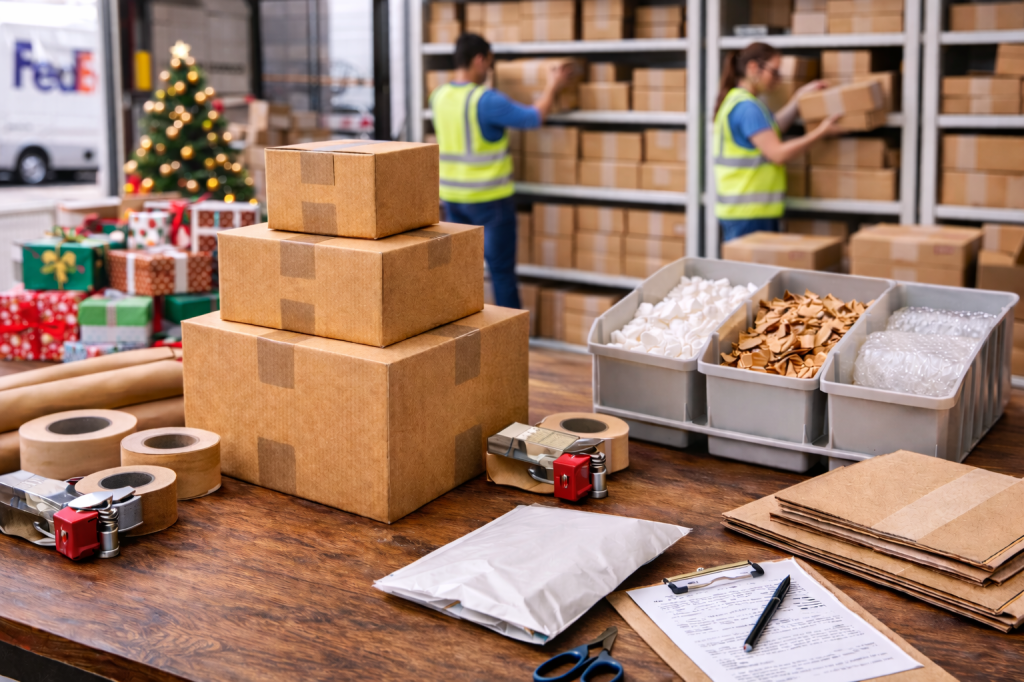
Shipping supplies are one of the last things a customer sees but one of the first things a business depends on. They protect products, simplify the packing process, and support every step between a warehouse shelf and a customer’s doorstep. Without reliable supplies—boxes, tape, mailers, cushioning, labels, and bags—the entire shipping operation becomes slower, messier, and far more costly.

The value of quality shipping supplies begins with durability. A box with weak walls or poor strength can collapse under pressure. Tape that doesn’t stick can peel open during transit. Cushions that flatten too easily won’t protect against bumps and impacts. The shipping environment is rough, and good supplies are built for that reality. They absorb the motion, pressure, and unpredictable handling that packages face along the way. Every mile traveled increases the odds of damage, so the supplies must act as the product’s armor.

But durability is only one part of the story. Shipping supplies also affect efficiency. A well-organized packing station stocked with predictable supplies allows workers to move quickly. When they know exactly which box fits which item, how much cushioning is needed, and which materials seal best, errors drop dramatically. Fewer mistakes mean fewer returns, fewer delays, and a smoother workflow. Workers aren’t improvising—they’re following a reliable system.

That system is what keeps shipping operations from breaking down during busy seasons. Holidays, sales events, and peak buying times all place pressure on fulfillment teams. When orders pile up, speed matters. Packaging supplies that perform consistently help teams handle high volume without sacrificing accuracy. Good tape sticks the first time. Boxes hold their shape under pressure. Mailers close securely without fuss. This reliability allows businesses to scale smoothly.

Shipping supplies also shape customer perception in powerful ways. A customer doesn’t see the warehouse or the packing station, but they see the result: the box or mailer that arrives at their home. A neat, well-packed shipment tells them the business cares. Items stay organized. Nothing is loose or rattling. The packaging fits properly, not oversized or sloppy. This simple experience builds trust and makes the customer more likely to buy again.

On the other hand, poor packaging sends a negative message immediately. A flimsy box, crooked tape, or damaged item can undo a customer’s confidence in seconds. Even if the product is fine, the carelessness in presentation can leave a bad impression. Shipping supplies are part of the brand experience—even if customers don’t consciously think of them that way.

Costs play a major role, too. Using higher-quality supplies may seem more expensive upfront, but the return on investment is significant. Stronger materials prevent damage, which means fewer replacements and refunds. Better sealing supplies prevent packages from opening mid-transit, reducing loss. Consistent sizing reduces shipping waste and helps control postage costs. Over time, these savings add up.

Shipping supplies also serve everyday needs outside of business. Families use them when mailing gifts, returning items, or packing belongings for a move. A good roll of tape or a strong box can make the difference between a smooth task and a frustrating one. Bubble mailers protect fragile pieces. Poly bags keep fabrics clean. Labels keep everything organized. The same tools that keep businesses running also help with simple tasks at home.

Branding has become another area where shipping supplies add value. Custom tape, stickers, or even printed labels can turn a basic box into a recognizable touchpoint. A customer might see the brand logo before they even open the package. This builds familiarity and strengthens the connection between business and customer.

In the end, shipping supplies are small tools with big responsibilities. They protect products, streamline workflows, shape customer impressions, and reduce operational stress. When chosen well, they make shipping faster, safer, and more professional. They’re the difference between a package that arrives with confidence—and one that arrives with problems.

Don’t Toss the Damaged Box

You have to document your damaged box as soon as possible. When an item arrives damaged from a shipment, buyers often will dispose of the packaging. In doing this, they may lose some evidence that the carriers (FedEx/UPS/USPS) would need to support the damage claim.

Before disposing of anything, tell the buyer to put the damaged item, the entire outer shipping container and every part of the packing materials in a safe place. In addition to saving the outer shipping container, encourage the buyer to retain all other packing materials such as tape, paper, foam inserts, air cushions, internal containers, labels and pieces of items. 

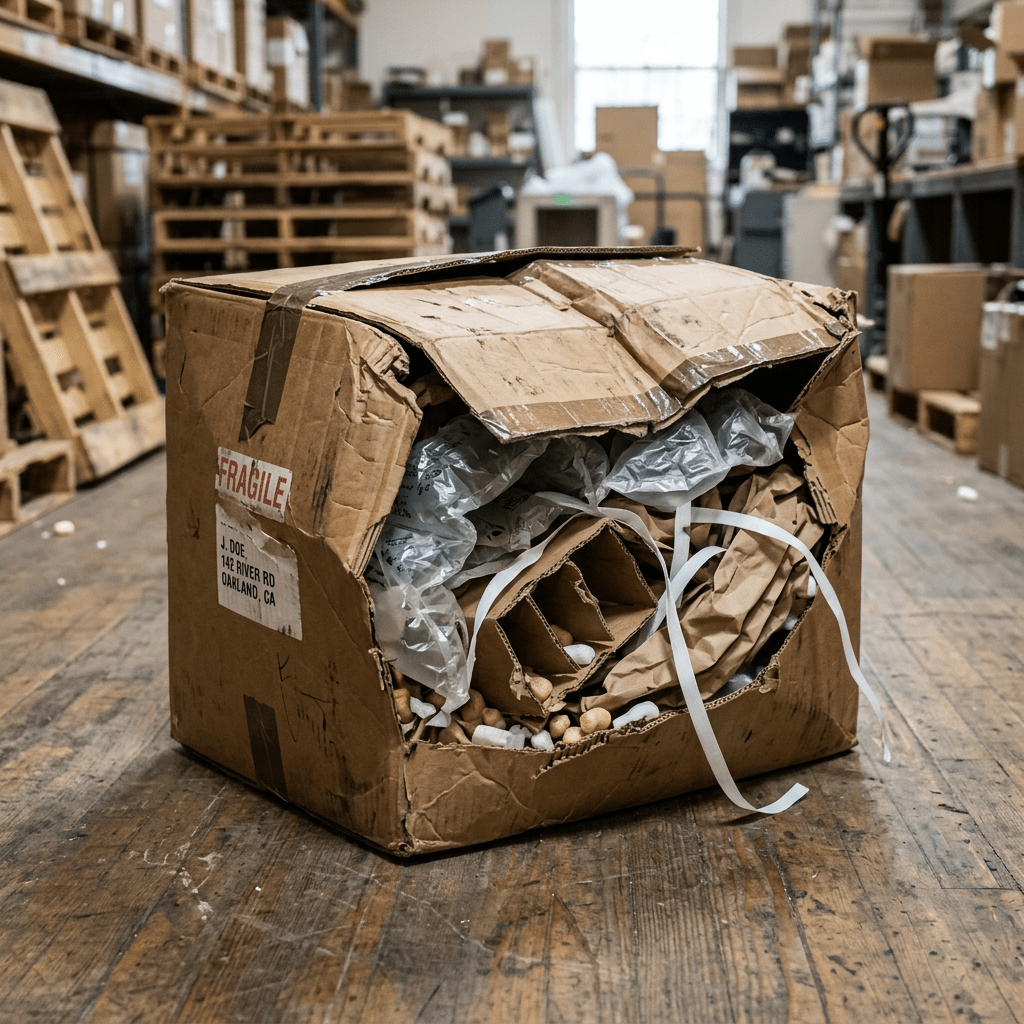
Crushed cardboard box labeled fragile with packing peanuts and bubble wrap inside
A heavily damaged cardboard box labeled fragile sits in a warehouse filled with packing materials.

Documentation of missing parts may show where the package opened and/or how the item(s) were packed at time of shipment. Don’t request the buyer to return the contents of their purchase. Carriers will probably want to inspect the packaging exactly as it was when received by the buyer.

Taking good photographs can greatly aid in documenting the damage. First, photograph the entire exterior of the shipping box. Next, get a photograph of each side of the shipping box using bright light. Photograph any dented, punctured, wet areas or torn areas. Ensure the tracking information is legible. Document the interior of the shipping box with packing intact. Last, take pictures showing damage to item(s).

During this process, it is helpful for sellers to collect order documentation related to this sale while the buyer documents the damage. Record the tracking number, ship date, mailing service, dimensions and weight of the shipping box, any additional insurance purchased and details about cost including the bill of sale/receipt reflecting value of the item sold. If applicable record item specifications such as brand/model/color/count/serial # if there is one. A repair estimate may also be necessary.

Don’t let time go by without collecting evidence. All carriers have different filing deadlines. The clock may begin running on either the ship date or the delivery date depending upon which carrier was used. Please refer to carrier regulations regarding filing requirements to ensure compliance with specific services. Also determine who has responsibility to submit claims and provide claim numbers to both parties to link phone calls/files/new notes together.

Collecting customer feedback early-on may assist in retaining evidence for a potential dispute. Express regret for inconvenience caused by the loss/damage. Ask them to preserve all packing materials and include a listing of a few plain photos. 

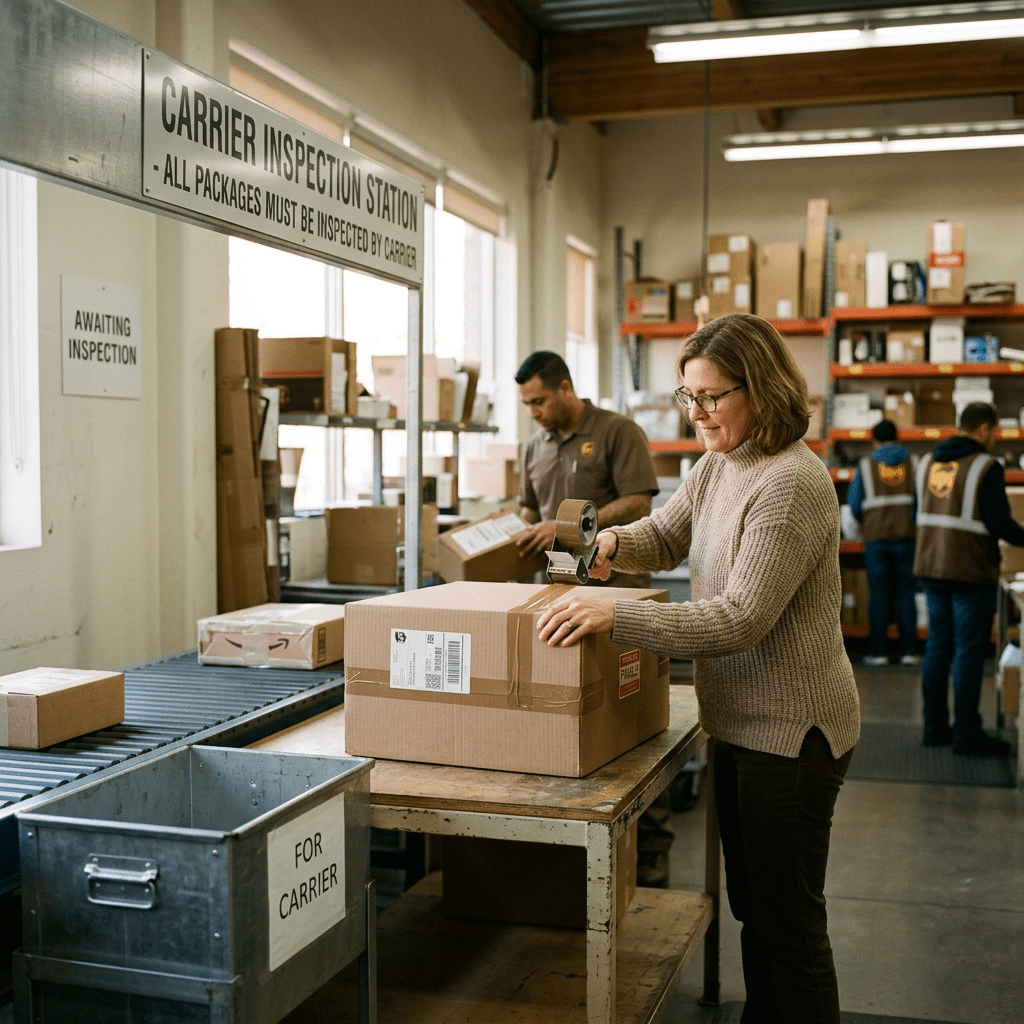
Worker taping a cardboard box at a carrier inspection station in a warehouse
A worker sealing a package at a carrier inspection station in a busy warehouse

Advise them that an inspection may be required prior to making repairs. Advise them to wait for direction from the carrier prior to taking the packaging materials to a retail outlet/store or Post Office location. Taking these small steps will ease the burden compared to sending lengthy forms with no assistance.

Save all packaging materials until directed otherwise by the carrier after closing the claim. Both FedEx and USPS advise that original packaging may be needed for inspection purposes. UPS may require clear images or allow for a physical review. 

Once complete, the item(s) may be repaired, utilized for parts, or disposed of according to local regulations allowing disposal. After claiming, both packaging materials and shredded packing materials can be recycled as per local recycling regulations. Collecting and preserving all packaging materials provides a means to protect your claim; properly separating and disposing of reusable packing materials reduces unnecessary waste.

Read this before shipping

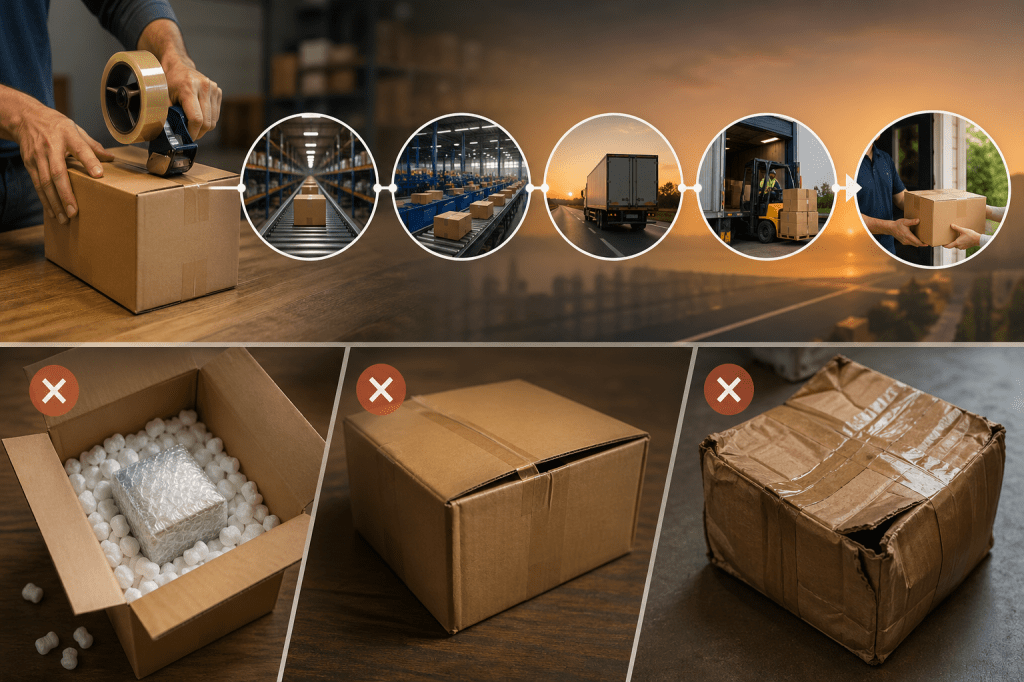
Before you send your next package out, pause for a second and think about what really happens after it leaves your hands. It doesn’t go straight from your table to your customer’s doorstep. It moves through a chain of events that most people never see, and every step puts pressure on the box you chose.

That’s where things either hold up… or fall apart.

A lot of shipping problems don’t come from big mistakes. They come from small oversights that feel harmless at the time. Using a box that feels “good enough.” Leaving a little extra space inside because it’s easier than finding a better fit. Sealing it quickly and assuming it will stay that way.

None of those decisions seem like a risk in the moment. But once the package is in motion, those small choices start to show.

Think about how boxes are handled. They’re stacked, sometimes unevenly. They’re pushed across belts, dropped into bins, and shifted during transport. If a box has extra space inside, the item starts to move with every one of those motions. That movement creates impact, even if it’s small, over and over again.

At the same time, pressure builds from the outside. Other boxes press down from above, especially during busy shipping times. If the top of your box isn’t strong enough, it starts to sink. Once that happens, the sides begin to push outward, and the structure weakens quickly.

This is where many shipments start to fail.

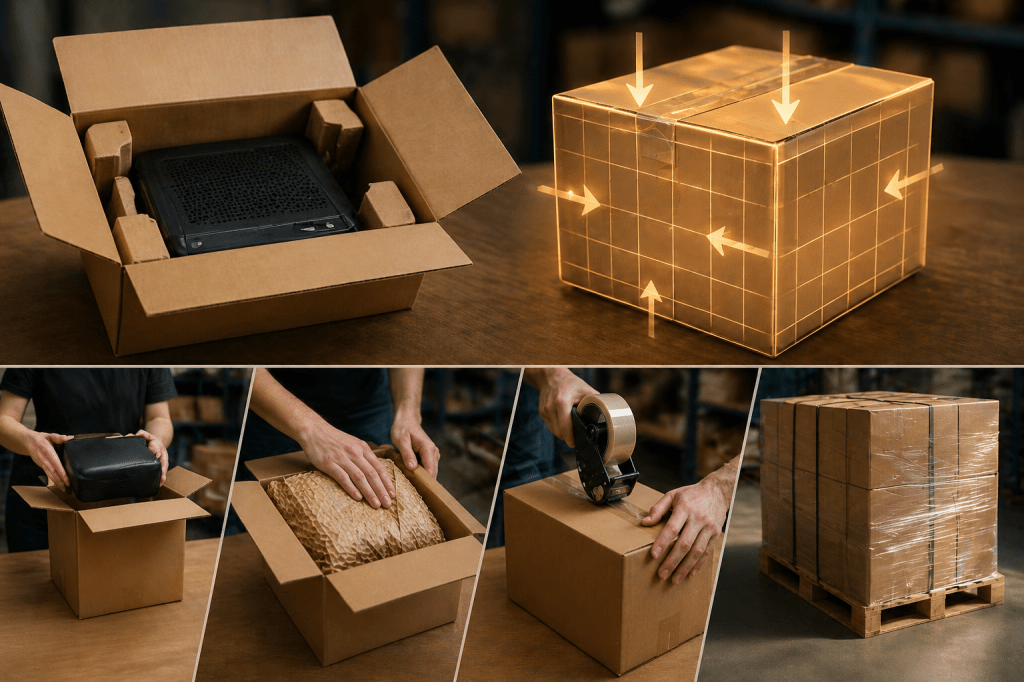
What most people don’t realize is that a strong shipping box doesn’t just resist damage. It controls what happens inside it. When the size is right and the structure is solid, the item stays in place. The weight is spread evenly, and the box handles the pressure without losing its shape.

That’s the difference between hoping something arrives safely and knowing it will.

There’s also a rhythm to good packing that people develop over time. It starts to feel smoother. You’re not stopping to second guess your choices or adjust things after the fact. The box fits, the item sits properly, and the seal holds without needing extra work.

That kind of consistency matters, especially when you’re sending out multiple orders.

It also reduces waste in ways that aren’t always obvious. When you’re not filling large empty spaces or replacing damaged shipments, you’re using less material overall. That’s not just better for cost. It’s a more responsible way to run your operation without overcomplicating things.

Over time, those small improvements build on each other.

Fewer damaged packages. Less time spent fixing problems. More confidence in every order that goes out.

Shipping boxes may seem simple, but they carry more responsibility than most people give them credit for. They’re the final step before your product reaches someone else, and they shape how that moment feels.

When you take a second to get that part right, everything that comes after gets easier.

And once you see the difference, it’s not something you overlook again.