Category: Uncategorized

Don’t Toss the Damaged Box

You have to document your damaged box as soon as possible. When an item arrives damaged from a shipment, buyers often will dispose of the packaging. In doing this, they may lose some evidence that the carriers (FedEx/UPS/USPS) would need to support the damage claim.

Before disposing of anything, tell the buyer to put the damaged item, the entire outer shipping container and every part of the packing materials in a safe place. In addition to saving the outer shipping container, encourage the buyer to retain all other packing materials such as tape, paper, foam inserts, air cushions, internal containers, labels and pieces of items. 
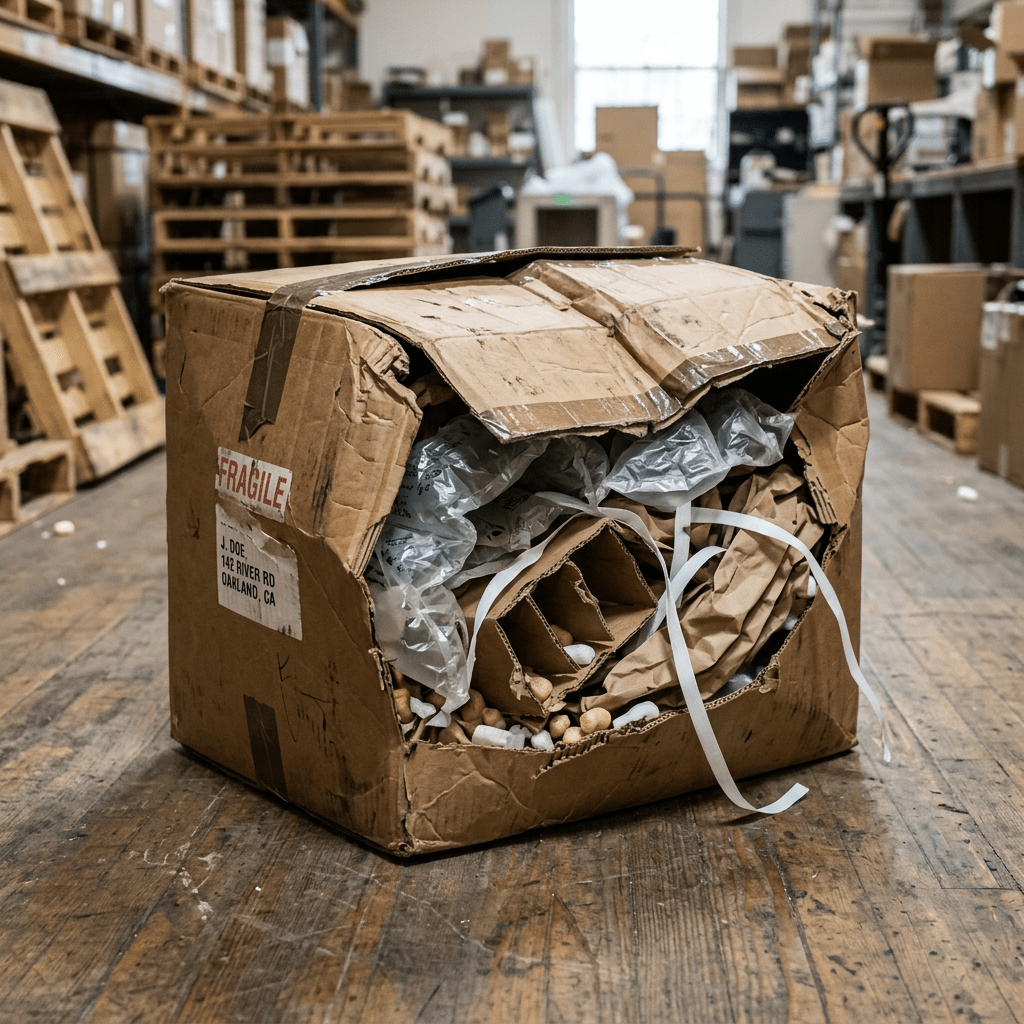
Crushed cardboard box labeled fragile with packing peanuts and bubble wrap inside
A heavily damaged cardboard box labeled fragile sits in a warehouse filled with packing materials.

Documentation of missing parts may show where the package opened and/or how the item(s) were packed at time of shipment. Don’t request the buyer to return the contents of their purchase. Carriers will probably want to inspect the packaging exactly as it was when received by the buyer.

Taking good photographs can greatly aid in documenting the damage. First, photograph the entire exterior of the shipping box. Next, get a photograph of each side of the shipping box using bright light. Photograph any dented, punctured, wet areas or torn areas. Ensure the tracking information is legible. Document the interior of the shipping box with packing intact. Last, take pictures showing damage to item(s).

During this process, it is helpful for sellers to collect order documentation related to this sale while the buyer documents the damage. Record the tracking number, ship date, mailing service, dimensions and weight of the shipping box, any additional insurance purchased and details about cost including the bill of sale/receipt reflecting value of the item sold. If applicable record item specifications such as brand/model/color/count/serial # if there is one. A repair estimate may also be necessary.

Don’t let time go by without collecting evidence. All carriers have different filing deadlines. The clock may begin running on either the ship date or the delivery date depending upon which carrier was used. Please refer to carrier regulations regarding filing requirements to ensure compliance with specific services. Also determine who has responsibility to submit claims and provide claim numbers to both parties to link phone calls/files/new notes together.

Collecting customer feedback early-on may assist in retaining evidence for a potential dispute. Express regret for inconvenience caused by the loss/damage. Ask them to preserve all packing materials and include a listing of a few plain photos. 
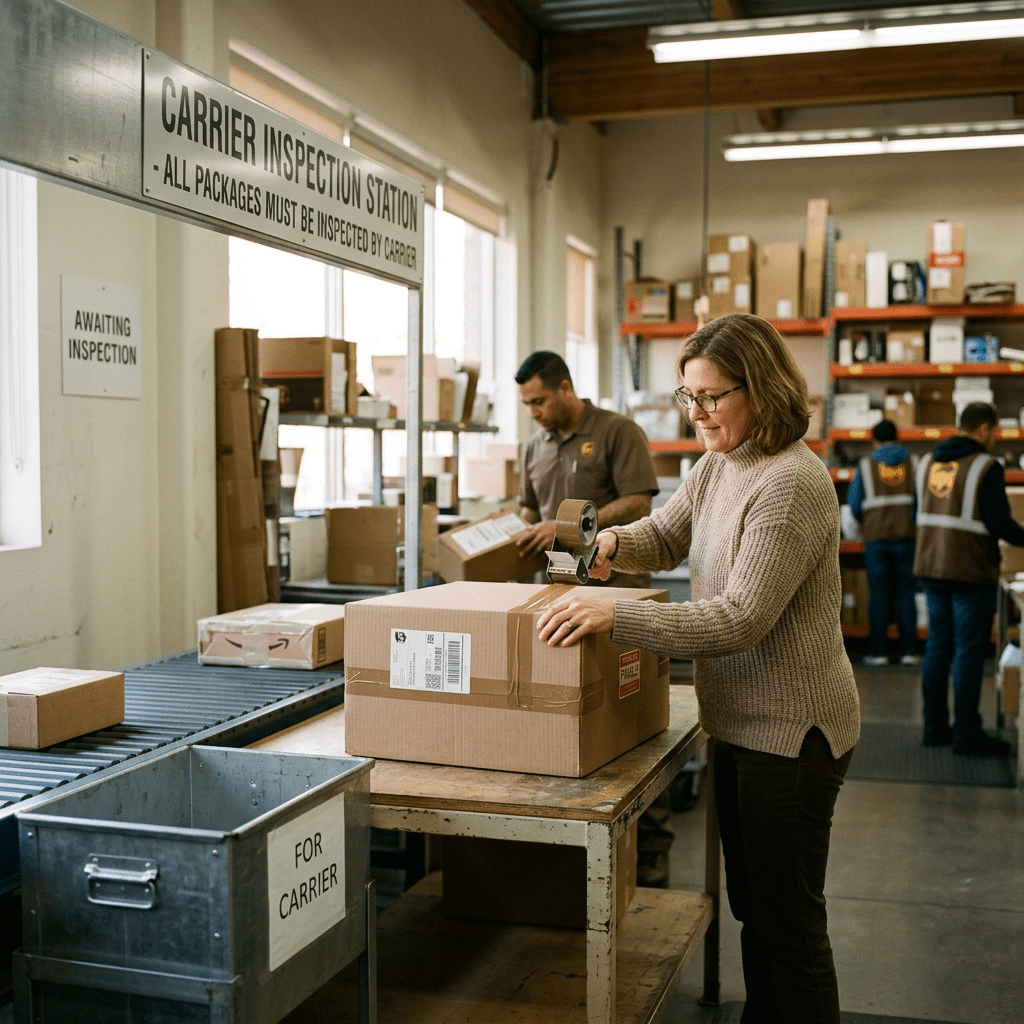
Worker taping a cardboard box at a carrier inspection station in a warehouse
A worker sealing a package at a carrier inspection station in a busy warehouse

Advise them that an inspection may be required prior to making repairs. Advise them to wait for direction from the carrier prior to taking the packaging materials to a retail outlet/store or Post Office location. Taking these small steps will ease the burden compared to sending lengthy forms with no assistance.

Save all packaging materials until directed otherwise by the carrier after closing the claim. Both FedEx and USPS advise that original packaging may be needed for inspection purposes. UPS may require clear images or allow for a physical review. 

Once complete, the item(s) may be repaired, utilized for parts, or disposed of according to local regulations allowing disposal. After claiming, both packaging materials and shredded packing materials can be recycled as per local recycling regulations. Collecting and preserving all packaging materials provides a means to protect your claim; properly separating and disposing of reusable packing materials reduces unnecessary waste.
Read this before shipping

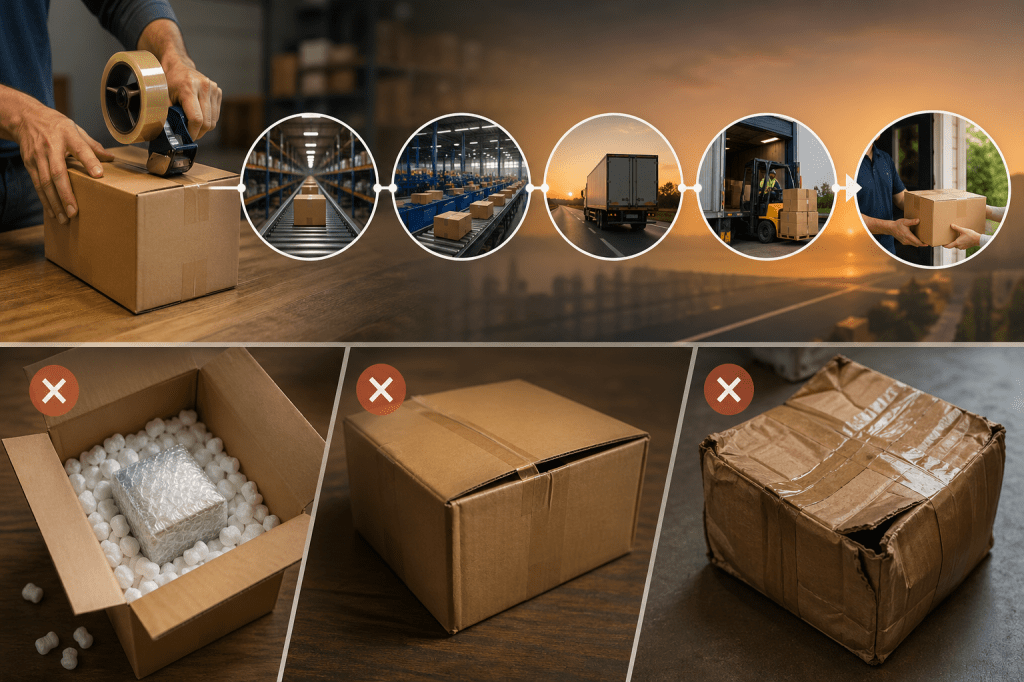
Before you send your next package out, pause for a second and think about what really happens after it leaves your hands. It doesn’t go straight from your table to your customer’s doorstep. It moves through a chain of events that most people never see, and every step puts pressure on the box you chose.

That’s where things either hold up… or fall apart.

A lot of shipping problems don’t come from big mistakes. They come from small oversights that feel harmless at the time. Using a box that feels “good enough.” Leaving a little extra space inside because it’s easier than finding a better fit. Sealing it quickly and assuming it will stay that way.

None of those decisions seem like a risk in the moment. But once the package is in motion, those small choices start to show.

Think about how boxes are handled. They’re stacked, sometimes unevenly. They’re pushed across belts, dropped into bins, and shifted during transport. If a box has extra space inside, the item starts to move with every one of those motions. That movement creates impact, even if it’s small, over and over again.

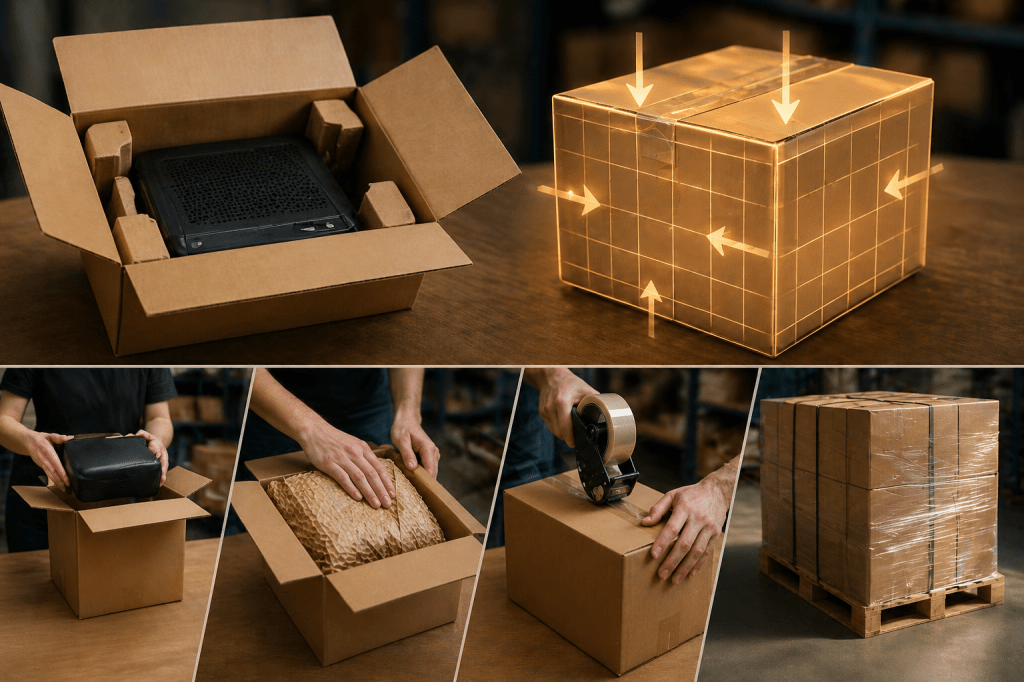
At the same time, pressure builds from the outside. Other boxes press down from above, especially during busy shipping times. If the top of your box isn’t strong enough, it starts to sink. Once that happens, the sides begin to push outward, and the structure weakens quickly.

This is where many shipments start to fail.

What most people don’t realize is that a strong shipping box doesn’t just resist damage. It controls what happens inside it. When the size is right and the structure is solid, the item stays in place. The weight is spread evenly, and the box handles the pressure without losing its shape.

That’s the difference between hoping something arrives safely and knowing it will.

There’s also a rhythm to good packing that people develop over time. It starts to feel smoother. You’re not stopping to second guess your choices or adjust things after the fact. The box fits, the item sits properly, and the seal holds without needing extra work.

That kind of consistency matters, especially when you’re sending out multiple orders.

It also reduces waste in ways that aren’t always obvious. When you’re not filling large empty spaces or replacing damaged shipments, you’re using less material overall. That’s not just better for cost. It’s a more responsible way to run your operation without overcomplicating things.

Over time, those small improvements build on each other.

Fewer damaged packages. Less time spent fixing problems. More confidence in every order that goes out.

Shipping boxes may seem simple, but they carry more responsibility than most people give them credit for. They’re the final step before your product reaches someone else, and they shape how that moment feels.

When you take a second to get that part right, everything that comes after gets easier.

And once you see the difference, it’s not something you overlook again.

Scent-Embedded Packaging types 

Scent embedded packaging is a unique type of packaging that you can use in order to create a multi-sensory experience for your products. Scents have an  effect on people, and a lot of times, people like to hold onto the packaging and sniff it to experience the scents that are there. 

Having scent-based packaging is great for body care items, even food and such.  it’s a market that’s grown by over 15% in the previous 15 years, and it’s definitely something that people like to enjoy. With so many innovative ways, there definitely is a market offering this, and it taps into the psychology of what customers want to buy. 

What’s in Scented Packaging 

Now, scented packaging requires well, scents that you can add to the packaging.

Microencapsulation, where little capsules are placed in the container, is one way to do this.

There are also scent coatings, which actually will coat the entirety of the item with the scent, like a lamination and the like.

There’s also embedded fragrance materials that will release scents when you interact with it. An example of this is scratch and sniff stickers, where once you scratch it, it releases the scent that you can sniff.

The Benefits and Challenges with This 

There’s a few benefits that come with this. First it taps into the psychology of the packaging. When you create an experience that interacts with the psyche directly, customers will remember it. it’s why they’ll remember good experiences with products, and not so much the bad ones.

It markedly enhances the unboxing experiences too. People like it when they get an extra little piece of sensory interaction that they get with their items.

However, there are some problems that come with this.   fragrance stability and ensuring that they don’t break down is one of them. allergen concerns are another one, because some scents will definitely create an allergic reaction.

The final problem is the customer’s reaction to scents. Some people are sensitive to scents, and in turn, it might turn them off if it’s too pungent. You want to make it subtle, but also memorable as well. 

Examples of This 

There’s a few types of examples of this that come along. 

One of the most prevalent is detergents, which use a scratch and sniff through different fragrance pearls embedded there. a customer can smell it without needing to even open up the packaging.

Some of them even come with a squeezable detachable cap, where you can smell the fragrance through the opening of this.   There’s also freshness technology that encapsulates the aroma in bubbles, so only when it’s touched does it release.   The cool thing about this is you  can embed it completely, for great long-term results. 

Another example of this is printing technology for these coatings. Follmann is one example where they used a perfume packaging that’s 1:1 on this varnish as soon as it’s touched. Through additional sleeves, the Folco-scent will be encapsulated and then put into small spheres that are microscopic in size.   When a customer interacts with this, it then causes the capsules to emit the scent, and then retain that scent for up to 12 or so months. 

Nike also used this as well. They added fragrances to the apple, and even increased the sales by up to 80%.  

Some gas stations used the smell of coffee beans, and it caused a 300% increase in coffee product sales.

Scents work, and they interact with us in unique ways. As a packaging provider, it might be worthwhile to consider this type of unique packaging experience for your products. 

How to Package Gourmet Food so It’s A Hit 

Gourmet food is all the rage. People will pay money for high-quality items, and something that really screams it’s good, and it costs a lot.

Having nice packaging also offers an air of luxury to it. with luxury chocolates, you can’t just throw them in any old box. Packaging them in a manner that seems like a gift is great, and really makes you stand out. 

The Elements of Gourmet Food Packaging 

Gourmet food packaging requires a little more thought than any old types of packaging. Sure, putting it in a box would work, but it defeats the purpose of showing off that hey, you’re giving away luxury, so people should treat it as such.

With that said, the best thing to remember are the finishes and materials. Premium is the name of the game.   You’re not just using cheap corrugated boxes, but instead you might use slide drawer boxes, various top boxes that a customer has to unwrap, and even gabled boxes that hold the items.

With the finishes, you might want to use something that looks good. metallic finishes for instance might be popular.   Various windows might not be used—after all you’re already giving them a top quality product.   Thicker packaging with deeper colors such as purples and blues are commonly used with this.

You may also with this packaging not individually wrap them, but instead offer a temperature-controlled environment. Obviously with gourmet food, you want to preserve it, but you also want to arrange it in a manner where it comes off as high-quality, and not on the same level of any old food.

Some of these boxes do offer unique ways to preserve them though. some chocolate might be individually wrapped. The same goes for cookies, putting them in little paper cups that you can take out and eat. Overall, you want to show off that your food is made of money, and customers aren’t getting ripped off with this. 

The Benefits and Challenges of this 

There are some benefits that come with this type of packaging.

The first thing is you’re giving them an experience. A lot of customers will pay more for high-quality foods, since a lot of times, they are able to enjoy this type of product.  It creates a sense of appeal that other types of items might not, and really makes them shine.

The second reason is it does improve customer satisfaction. When you put your effort into this product, and give them something that they will enjoy, they’ll remember how nice it is, and they’ll actually want to buy from you again, creating repeat buyers.

However, there are some downsides with this. The biggest one is costs. You are going to put some money into the product, and you’ll be able to really stand out if you do this. don’t be afraid to throw some money into this, and from there, you’ll give them a premier experience.

The second thing is the environmental concerns. If you use plastic, that’s bad for you. if you are using items that aren’t as eco friendly, you’re going to alienate the audience. However, bear in mind that these eco-friendly types of items do cost a bit of money, so make sure you fit your budget with this too.

Bringing gourmet foods to others is fun, and you’ll be glad that you did this. give them the experience that they deserve with the right packaging, and you can accomplish this through gourmet food packaging that will not only be a hit with customers, but also make them repeat buyers. 

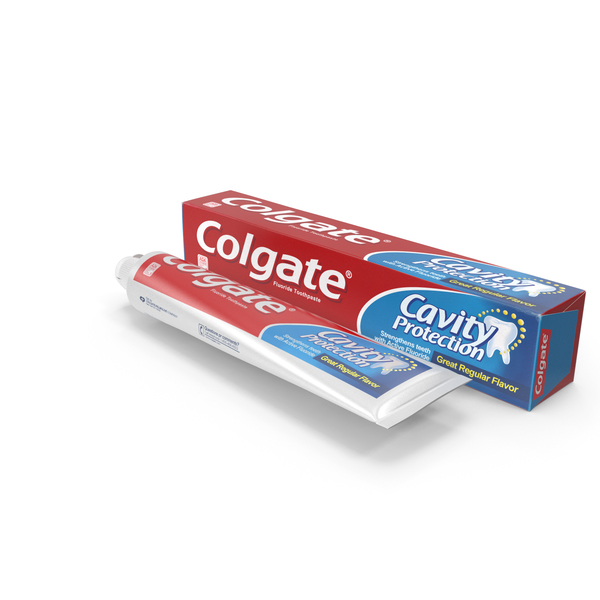
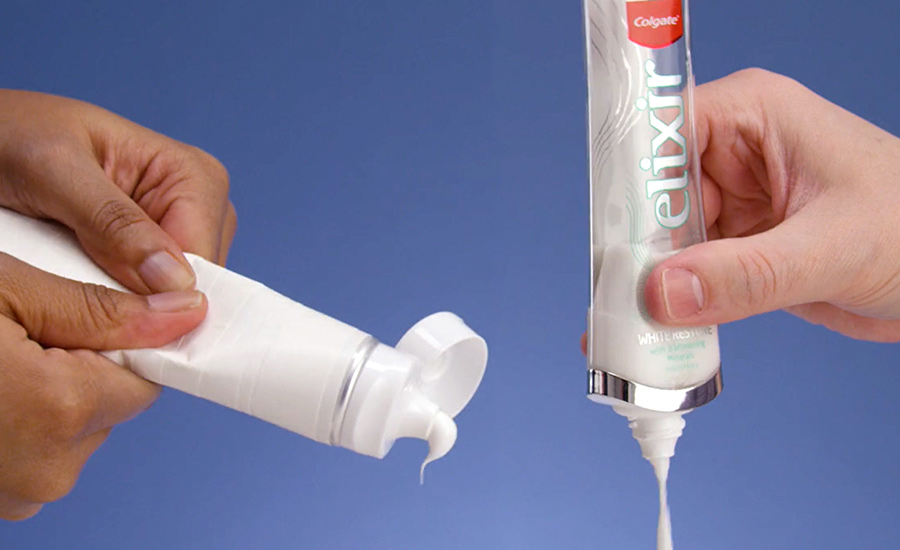
Toothpaste Packaging 

Toothpaste is one of the main essentials that we need for oral hygiene on an everyday basis, but it’s also really important for taking care of the smiles that we have. For this aspect alone, there are a lot of different toothpastes out there for you to try. 

Did you know though, that despite many of them having a variety of flavors, the vast majority of them look very similar? That’s because a lot of the more modern types of packaging do have backgrounds that are white, really nice pictures of dentifrices and toothbrushes, and colors that are cold as well. it’s very minimal, and not much more than that.

But one thing that’s interesting is that in the past, this wasn’t a problem. Most of the more vintage packaging had a stronger visual in terms of identity that did make the products far more unique.  If you’ve never seen a Marvis and Euthymol box of toothpaste, look at this right now. This has mostly not changed, despite every attempt to do so. 

For more concrete examples of this, we’re going to look at some of the more retro ones that have an elegance to them, and no mutability to them either. 

The vintage boxes contained fonts that are nice and refined, a variety of different decorations that are almost meticulous in nature, and a more harmonious color to them. Some even contained floral doodles on this. it’s a more accurate look, and really highlights the highest quality on these products. Remember, the toothpaste that a person chooses is one of the most effective ways to create a refreshing sort of touch.  This is because the person want s to create an ideal, fresh look to their smile, and this is how it’s done.

Because of the beauty of this, a lot of these different toothpaste packaging are now actual designs and objects.

One of the most popular is Euthymol, a toothpaste from Ireland. It’s got a dentifrice that’s bright and pink, and it is an art nouveau type of box.  This is something that was launched all the way back in the 1880s, and it’s something that hasn’t changed ever since. It’s almost timeless. 

Marvis is another one. They use a box that’s silver, and while that’s a very typical sort of palate even in the 50s it stayed the same.  It hasn’t changed as well even when they were acquired by another beauty company in the 1990s. 

Then there is Pasta Couto, which is another type of toothpaste.  You probably might’ve heard about this one if you’ve been to Portugal, and it’s also known as Bic in some cases.  This was made all the way back in 1923 by a man named Dr. Alberto Ferreira Couto, and this is one that still has the original type of packaging, which is still minimal, clean and very easy to work with. 

Another one that’s timeless is Pasta del Capitano that’s a 1905 Ricetta Originale. This is one that has a carnation look to the sides of this. it’s got the older style, and it’s part of why it’s had success for a long time. 

Finally, we’ve got Six Proof, which is one that’s unique because it does contain 3% alcohol within this. 

While you may not want something that contains either scotch or bourbon, this is a unique product, and the packaging on this is respectable, and looks cool.

Say goodbye to the old, boring packaging. If you’re looking to enhance your dental abilities and your toothpaste, consider using all of these whenever you feel like it too.